
Braces vs. Invisalign: Which Is Actually Better for Complex Bites?
Are braces or Invisalign better for complex bites? Compare clear aligners and traditional braces to find your best fit. Book a consultation in Cypress today!
Read More

Cosmetic Dentistry
If you're considering enhancing your smile, veneers might be the perfect solution. In this FAQ, we’ll cover how veneers are applied, their potential disadvantages, and whether they are worth the investment.
Applying veneers is a meticulous process that involves several steps to ensure the best results and a natural-looking smile. Here’s a detailed breakdown of the procedure:
Initial Consultation: The process begins with a comprehensive consultation with your dentist. During this visit, you’ll discuss your aesthetic goals and undergo a thorough examination to ensure veneers are the right choice for you. Your dentist may take X-rays or impressions of your teeth to plan the treatment accurately.
Preparation of Teeth: In the first step of the actual procedure, your dentist will prepare your teeth for the veneers. This involves removing a small amount of enamel from the front surface of the teeth to create space for the veneers. The amount of enamel removed is typically less than a millimeter, but it is crucial for ensuring the veneers fit correctly and look natural.
Impressions and Shade Matching: After preparing your teeth, your dentist will take impressions of your teeth. These impressions are sent to a dental laboratory where your custom veneers will be crafted. During this visit, you and your dentist will also choose the shade of your veneers, considering factors like your natural tooth color and your desired outcome.
Temporary Veneers: While your permanent veneers are being made, your dentist may place temporary veneers on your teeth. These temporary veneers will protect your prepared teeth and help you get used to the feel and look of veneers.
Bonding the Veneers: Once your custom veneers are ready, your dentist will remove the temporary veneers and clean your teeth. They will then place the permanent veneers on your teeth to check the fit and appearance. Adjustments can be made at this stage to ensure the perfect fit.
Permanent Placement: When both you and your dentist are satisfied with the fit and look, the veneers are permanently bonded to your teeth. Your dentist will apply a special adhesive to the veneer and then place it on your tooth. A curing light is used to harden the adhesive quickly, securing the veneer firmly in place.
Final Adjustments and Polishing: After the veneers are bonded, your dentist will make any final adjustments necessary to ensure a comfortable bite and natural appearance. The veneers are then polished to give them a smooth and natural finish.
Follow-Up Visit: A follow-up visit is often scheduled to check the placement of the veneers, ensure they are comfortable, and address any concerns you might have. This visit helps in making sure that your new smile is functioning well and looks perfect.
This detailed, step-by-step approach ensures that your veneers not only look great but also provide a durable, lasting enhancement to your smile.
While veneers offer numerous benefits, there are some potential drawbacks to consider. It's important to weigh these factors carefully before deciding to proceed with the procedure.
Irreversibility: One of the most significant disadvantages of veneers is that the process is irreversible. During the preparation phase, a small amount of enamel is removed from the tooth’s surface to make room for the veneer. This enamel removal is permanent, which means once veneers are applied, you cannot go back to your natural teeth. If a veneer needs to be removed in the future, it must be replaced with another veneer or an alternative restoration.
Cost: Veneers can be expensive. The cost per tooth can range from several hundred to several thousand dollars, depending on various factors such as the material used (porcelain or composite resin), the dentist’s experience, and the geographic location of the dental practice. Additionally, since veneers are typically considered a cosmetic procedure, they are not usually covered by dental insurance. This can make the overall cost of getting veneers quite high for many patients.
Sensitivity: After the enamel is removed and veneers are applied, some patients may experience increased tooth sensitivity. This sensitivity can be due to the exposure of the underlying dentin and the bonding process. While this sensitivity often decreases over time, it can be uncomfortable initially and, in some cases, may persist.
Maintenance and Durability: Although veneers are designed to be durable, they are not indestructible. Veneers can chip, crack, or break, especially if you engage in habits like biting your nails, chewing on hard objects, or grinding your teeth. Repairing or replacing damaged veneers can be costly and time-consuming. Additionally, while porcelain veneers are highly stain-resistant, composite resin veneers may stain over time, requiring polishing or replacement to maintain their appearance.
Natural Tooth Preparation: The preparation process for veneers requires removing a layer of enamel, which permanently alters your natural teeth. This means that your teeth will always require some form of restoration (veneers or another type) going forward. This preparation also means that the underlying tooth is more vulnerable to decay or damage if the veneer becomes dislodged or damaged.
Potential for Mismatch: If not done correctly, veneers can look unnatural or mismatched with your other teeth. Achieving a perfect color match and natural look requires a skilled dentist and high-quality materials. Poorly fitted veneers can lead to aesthetic issues and even oral health problems if they do not align properly with your bite.
Lifespan: Veneers do not last forever. The average lifespan of veneers is about 10 to 15 years, though this can vary depending on how well they are maintained and the type of material used. Eventually, veneers will need to be replaced, which means additional cost and dental procedures in the future.
Adjustments to Oral Hygiene Routine: While caring for veneers is similar to caring for natural teeth, there may be some adjustments needed in your oral hygiene routine. You might need to avoid certain types of toothpaste that are too abrasive, and you may need to take extra care to prevent gum disease, which can affect the longevity and appearance of your veneers.
Understanding these potential drawbacks is crucial for making an informed decision about whether veneers are the right choice for you. Discussing these concerns with your dentist can help you weigh the pros and cons based on your specific dental health and aesthetic goals.
Deciding if veneers are worth it depends on your specific needs and goals. Veneers can drastically improve your smile's appearance, boosting your confidence and self-esteem. They are highly customizable, allowing for precise control over the color, shape, and size of your teeth. Additionally, veneers are stain-resistant, offering a long-lasting solution for a bright, white smile.
For many, the benefits of enhanced aesthetics and confidence outweigh the disadvantages. However, it’s essential to have a thorough consultation with your dentist to understand all aspects of the procedure and determine if veneers are the right choice for you.
Veneers are a fantastic option for those looking to achieve a beautiful, flawless smile. If you're interested in learning more or discussing your options, our experienced team is here to help. Schedule an appointment with us today and take the first step towards your dream smile.


// NU DENTISTRY IN Cypress, Texas
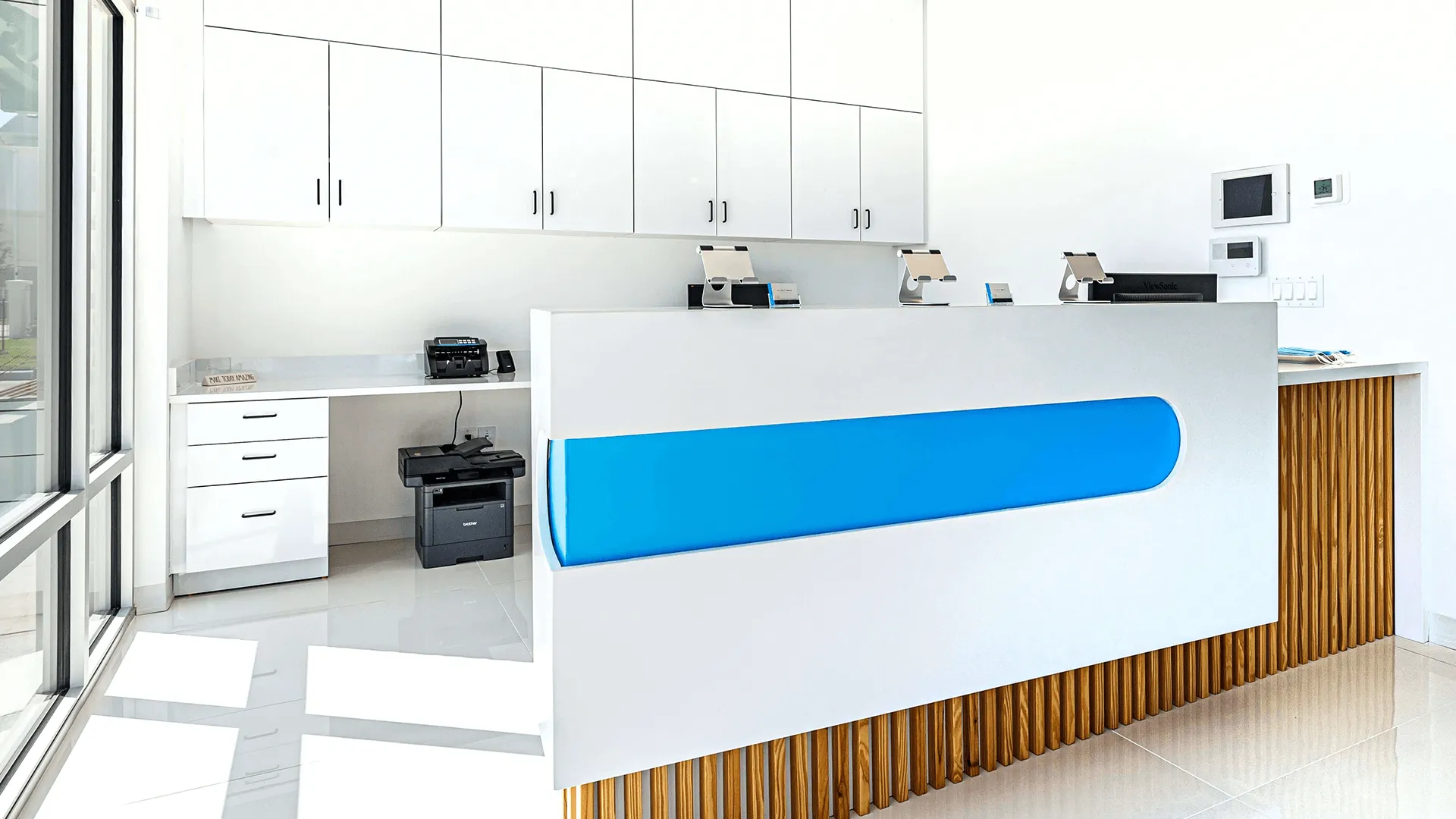
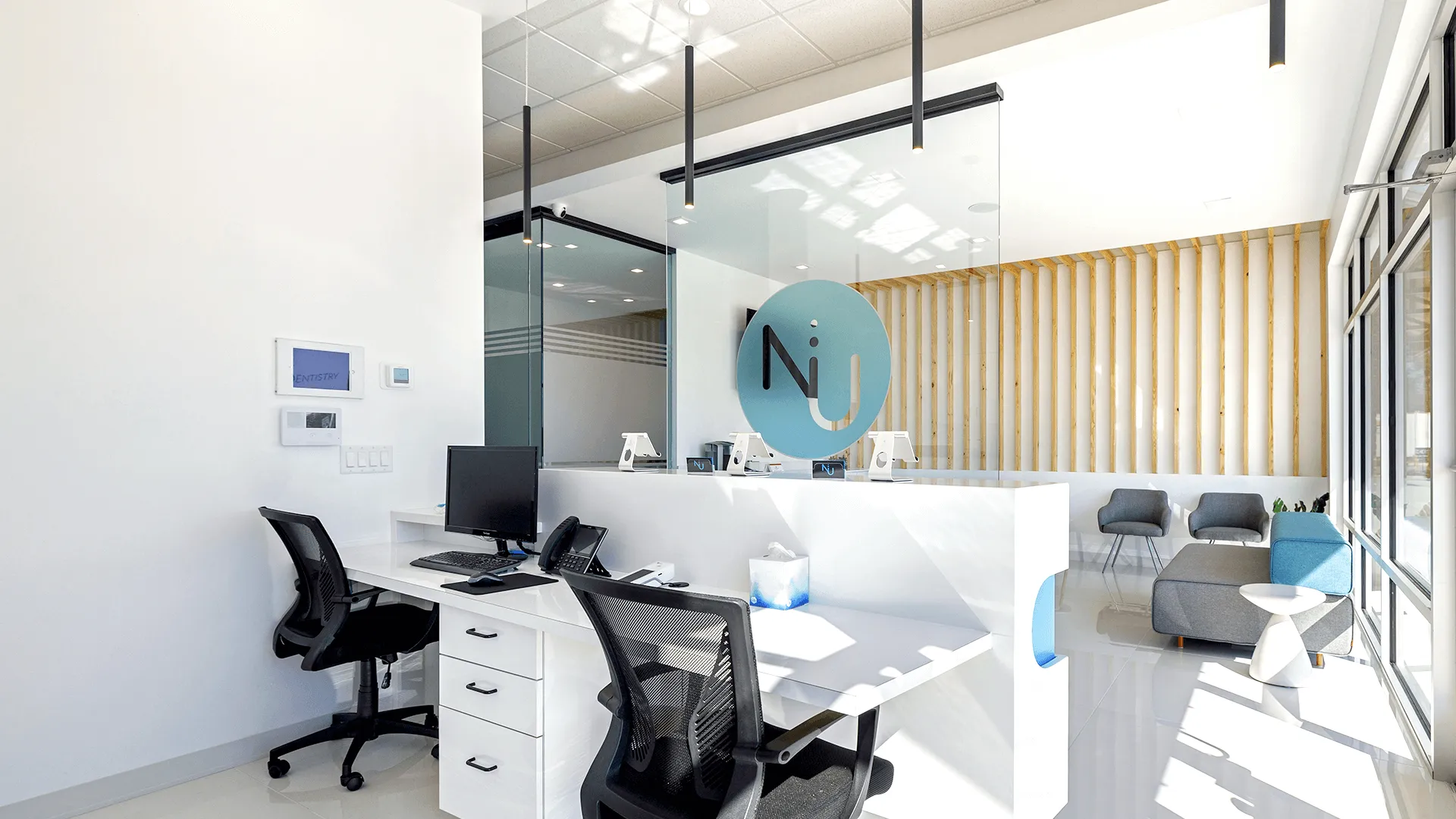
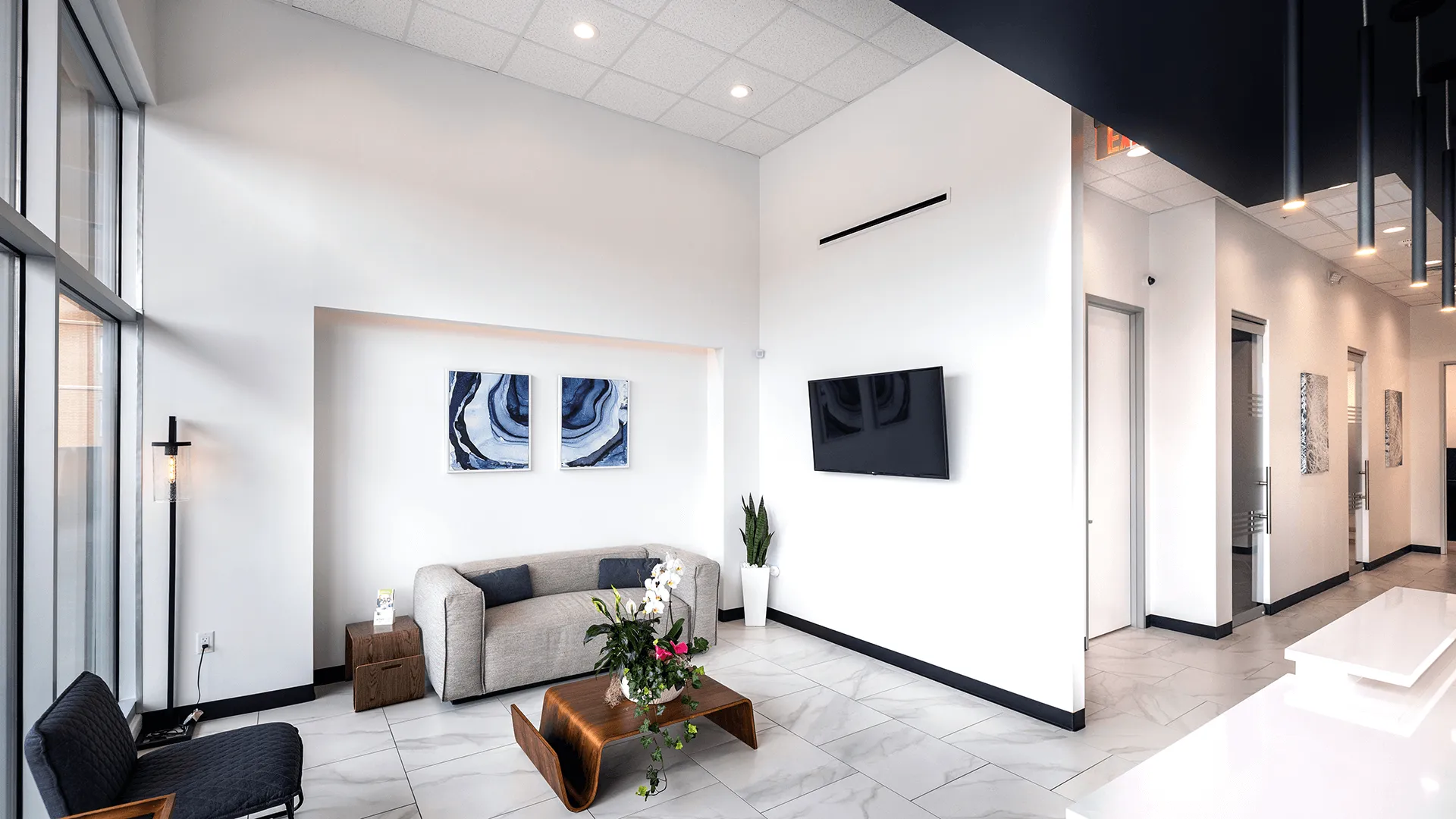
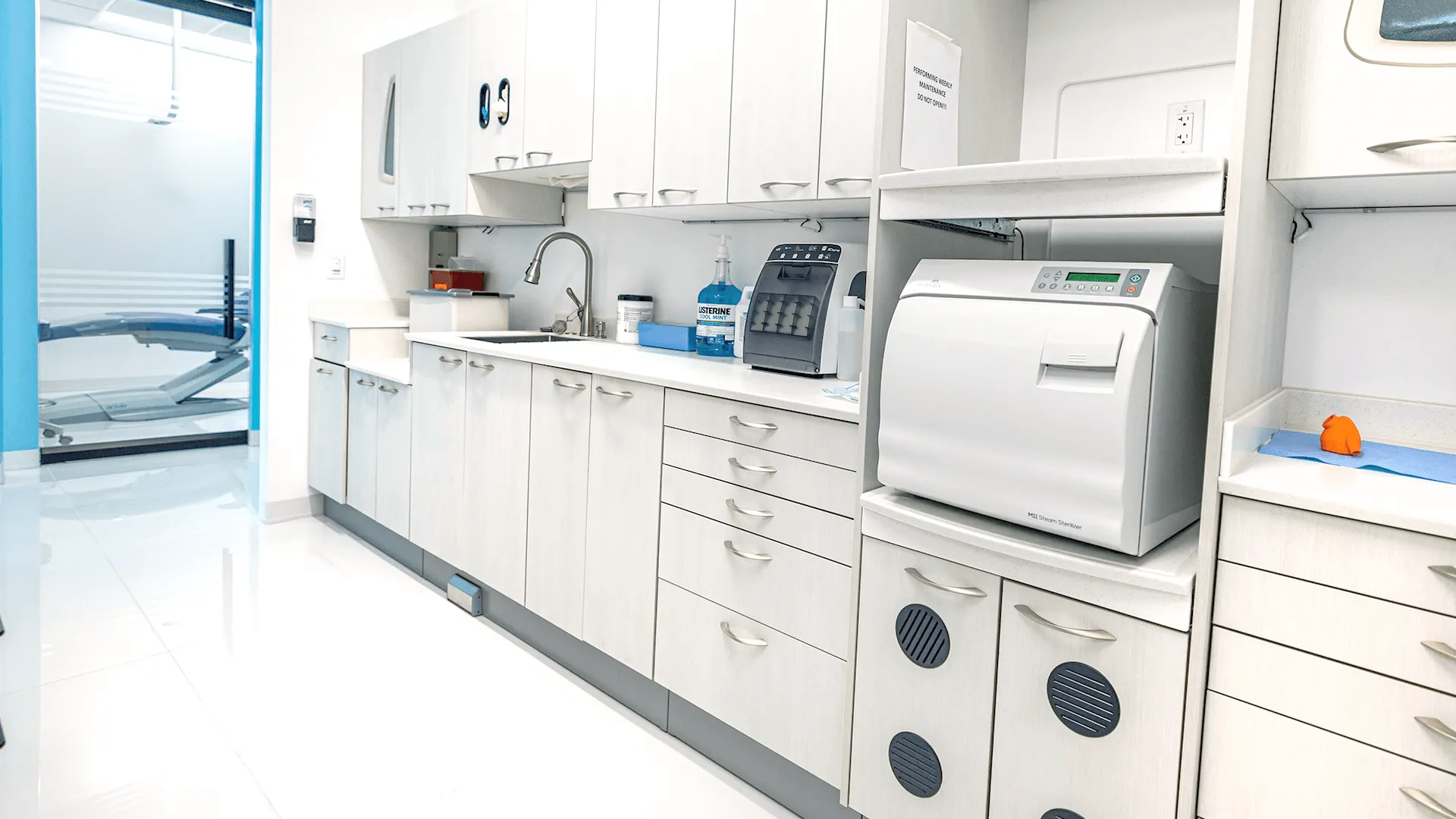
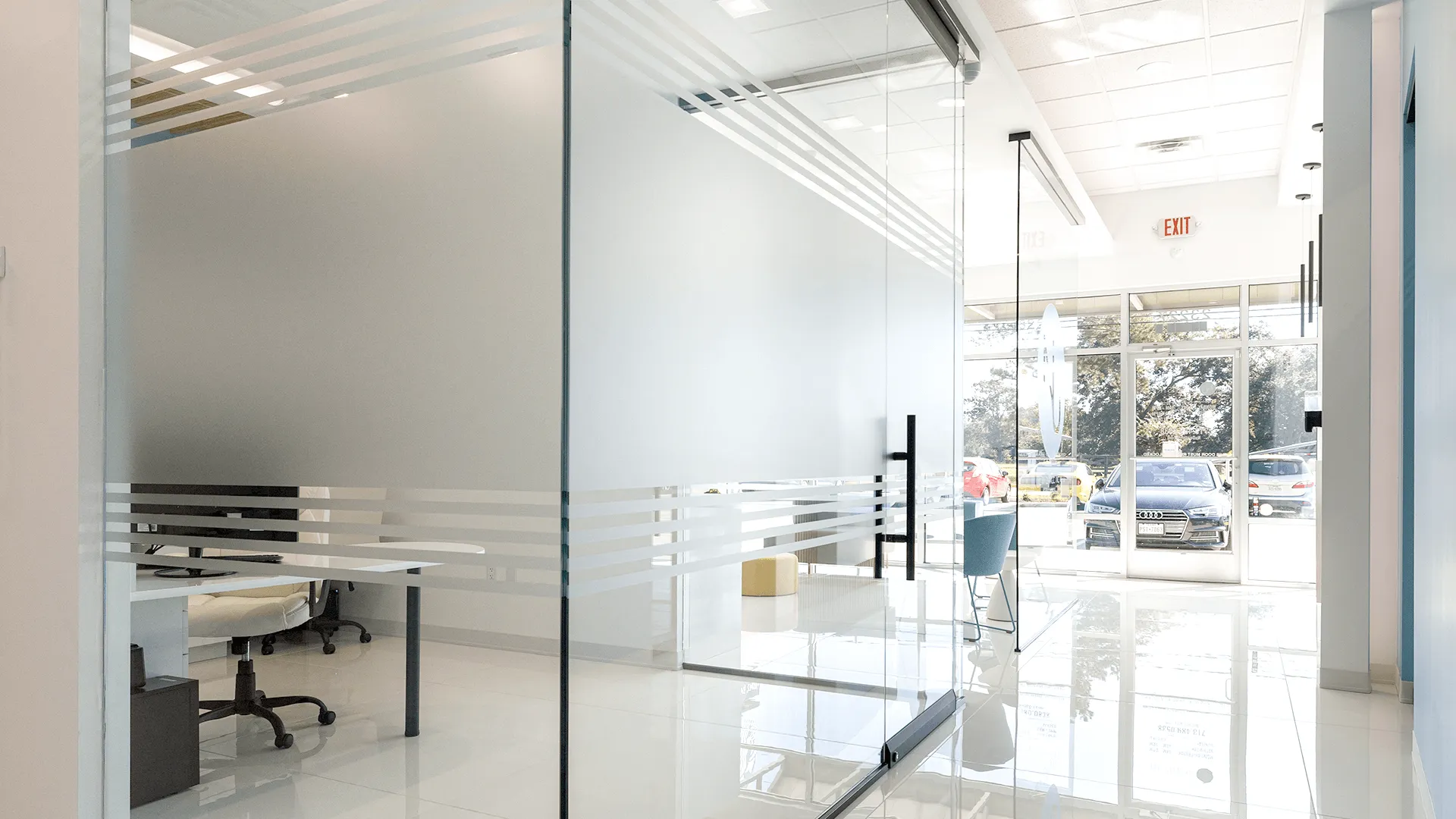
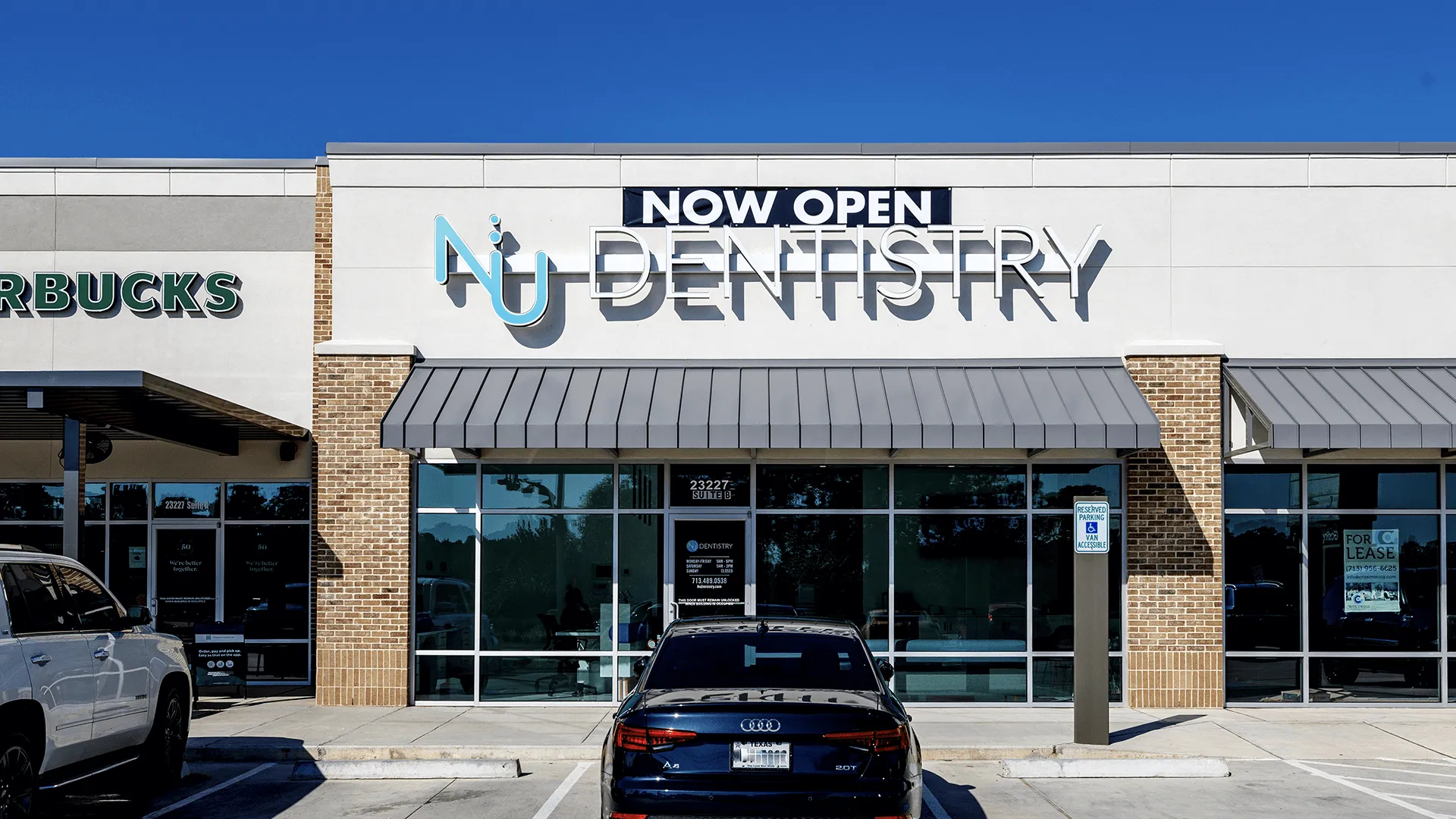
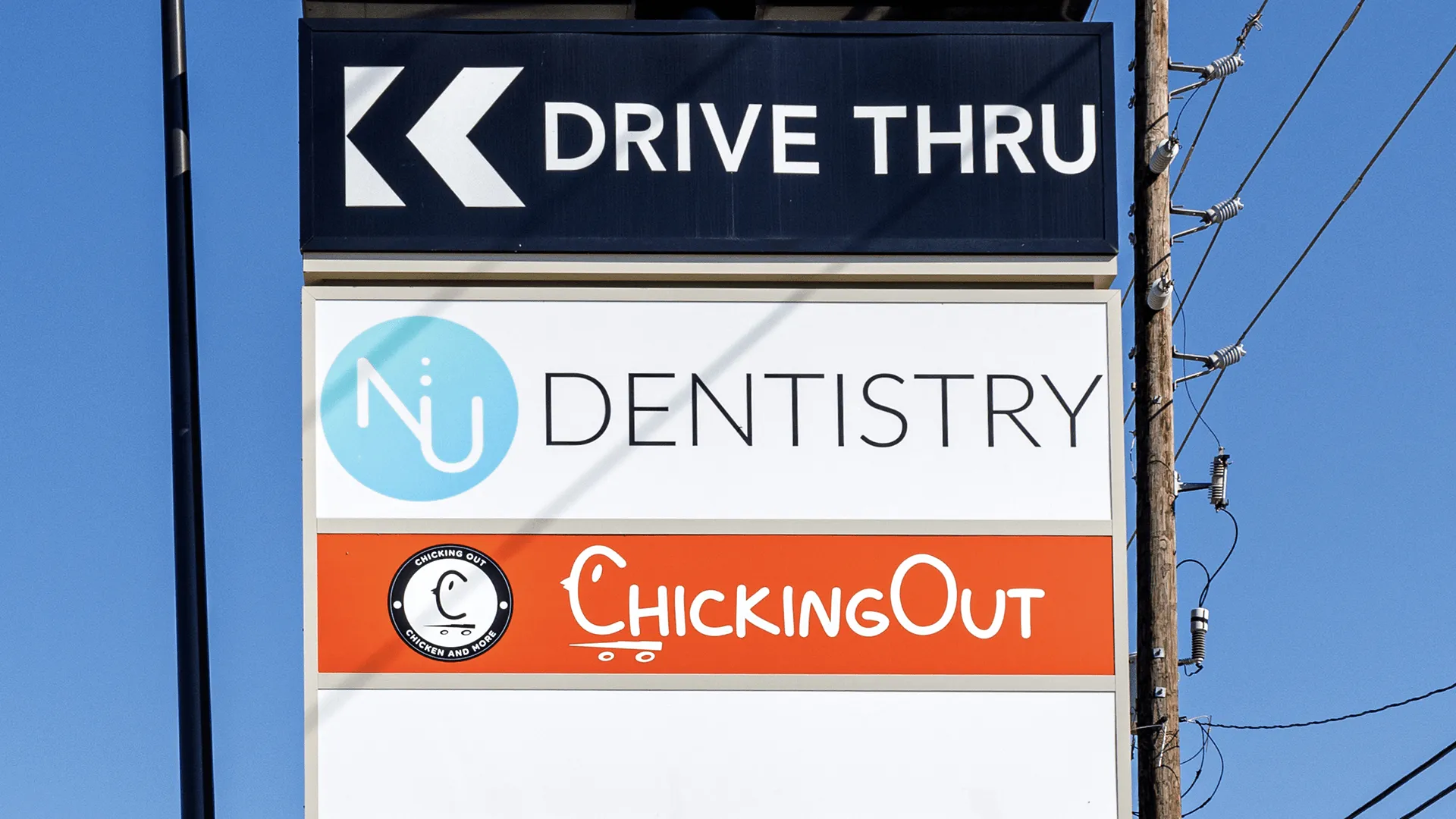
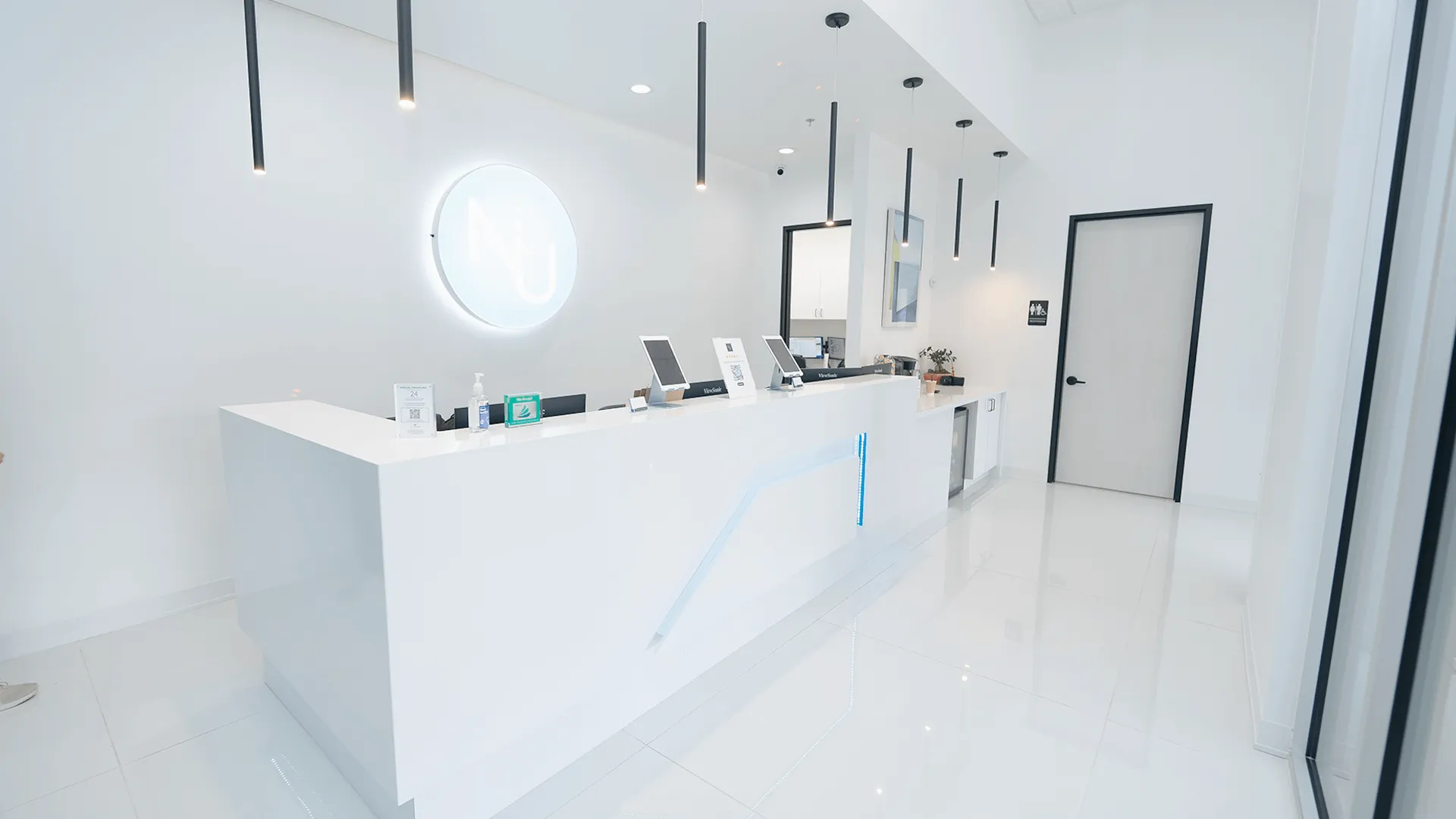
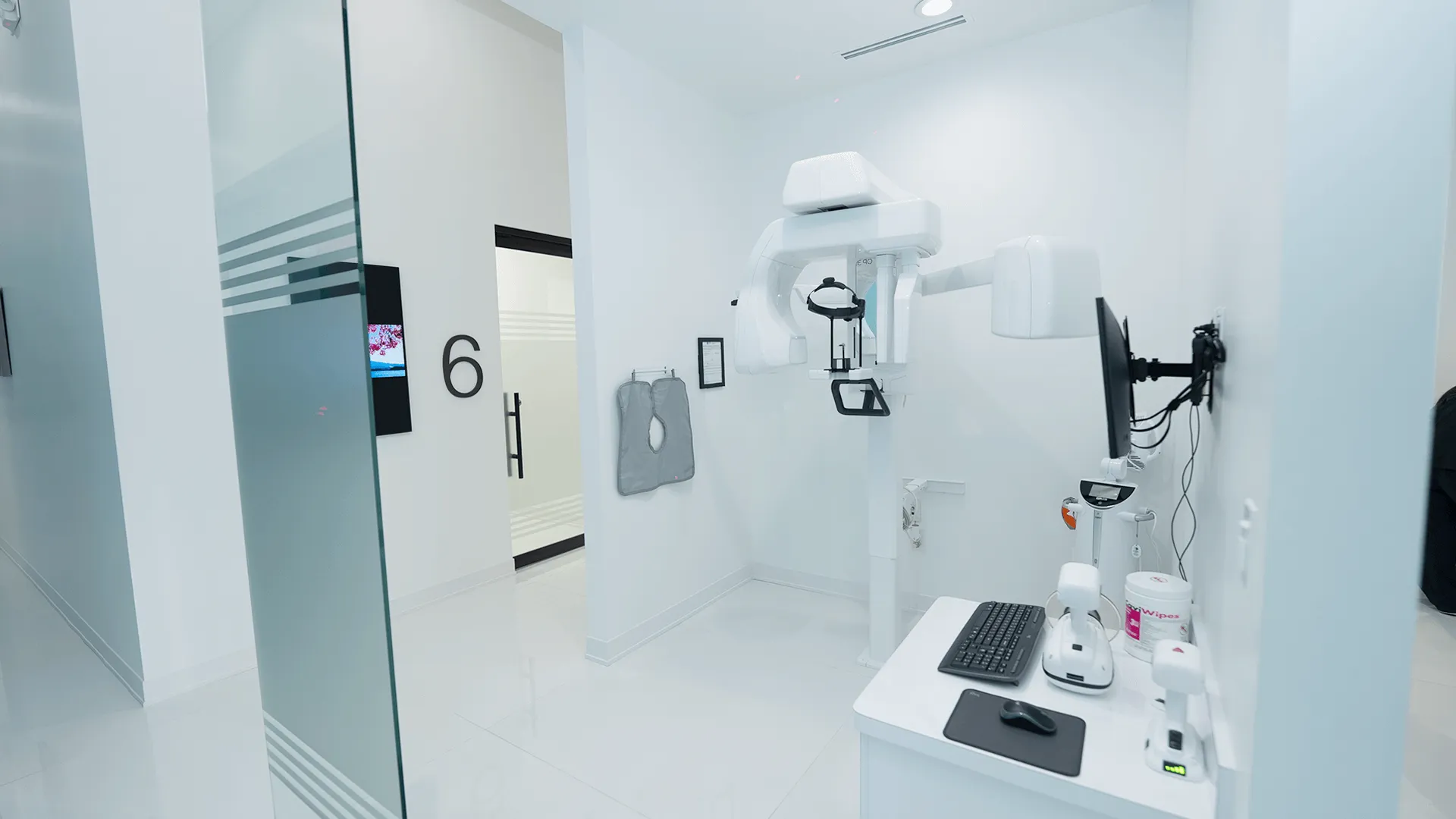
SEE WHAT A VISIT TO OUR MODERN, STATE-OF-THE-ART DENTIST OFFICE IS LIKE








Monday 9am - 6pm
Wednesday 9am - 6pm
Friday 9am - 6pm
Saturday 9am - 3pm
8940 Barker Cypress Rd. Cypress, TX 77433
3201 N. Shepherd Dr. Suite 113, Houston, TX 77018
8145 Highway 6, Building B #200, Missouri City, TX 77459
11115 W Grand Parkway S, Suite 140, Richmond, TX 77407
23227 Gosling Rd. Suite B, Spring, TX 77389
5706 San Felipe St. Ste B-300, Houston, TX 77057
// PATIENT TESTIMONIALS Cypress, TX
CHECK OUT WHAT OUR PATIENTS ARE SAYING IN CYPRESS, TX


// CARING DENTISTS Cypress, TX
OUR SOCIALS
FOLLOW US ON THESE SOCIAL MEDIA PLATFORMS