
Braces vs. Invisalign: Which Is Actually Better for Complex Bites?
Are braces or Invisalign better for complex bites? Compare clear aligners and traditional braces to find your best fit. Book a consultation in Cypress today!
Read More

Cosmetic Dentistry, Teeth Straightening
Whether your dentist recommends Invisalign, avoids it, or seems unusually eager to sell it often comes down to business incentives, biomechanical limits, and clinical risk — not just your smile's needs. Understanding all three helps you ask sharper questions and make a more informed choice.
For Cypress patients, if your general dentist has steered every orthodontic conversation toward Invisalign, there's a structural reason for that — and it goes beyond clinical preference.
Align Technology, the company behind Invisalign, operates a tiered volume program for its providers. Dentists and orthodontists are ranked by annual case volume — Silver, Gold, Platinum, Diamond — and higher tiers unlock substantially lower wholesale lab fees on each case. For a high-volume general dentist, maintaining a Diamond or Platinum tier can make a significant financial difference per case submitted.
The incentive runs in both directions. A practice that hits its case quota protects its discount structure. A practice that falls short loses tier status and pays more per case on the same product. This creates a quiet pressure to keep recommending Invisalign regardless of whether every patient is an ideal candidate.
On the flip side, lower-volume dentists often refuse to offer Invisalign at all — not because they distrust the product, but because the fixed lab fee without a volume discount makes the economics unworkable. When you hear a dentist say "we don't do Invisalign here," that's frequently the real explanation.
None of this means Invisalign is a bad treatment. According to Healthline, Invisalign has been on the market since 1998 and can effectively address crowding, spacing, and a range of mild-to-moderate bite issues. But understanding the business layer helps you evaluate recommendations more critically. Ask your provider directly: "Am I a good candidate based on my specific tooth movements, or is Invisalign simply what your practice offers?"
The most common critique from traditionalist orthodontists isn't that Invisalign doesn't work — it's that it doesn't work equally well for every type of tooth movement. And that distinction rarely gets explained clearly.
Clear plastic aligners excel at crown tipping, horizontal pushing, and closing moderate spacing. Where they struggle is with bodily root translation, vertical extrusion, and the derotation of round-rooted teeth like premolars and canines. These movements require the kind of precise three-dimensional force that metal wire mechanics deliver far more predictably.
This is the clinical reason why an orthodontist might decline Invisalign for a case that looks cosmetically simple. A small gap between front teeth seems minor — but if closing it requires significant root uprighting rather than just crown-level movement, clear plastic physics cannot reliably achieve that outcome. Dental braces can.
As WebMD explains, orthodontists specialize in both tooth movement and dentofacial orthopedics — the mechanics of how force is applied to bone and root structure. When a board-trained orthodontist recommends braces over aligners, it's usually because the specific movements required fall outside what plastic can predictably achieve.
The American Dental Association's MouthHealthy resource notes that the goal of any orthodontic appliance is a healthy bite — straight teeth that properly meet opposing teeth. The appliance is a means to that end, not the goal itself.
Here's a complication that almost never surfaces in mainstream Invisalign content: aligner-induced posterior open bite.
When you wear 0.75mm of plastic over your teeth for 22 hours a day, that plastic acts as a bite ramp. Over months of treatment, the constant chewing pressure can gradually intrude the molars — pushing them slightly upward into the jaw. By the end of treatment, some patients find their front teeth touch while their back molars cannot fully meet. That's a posterior open bite, and it's an iatrogenic side effect of the aligner material itself.
This is one reason experienced orthodontists approach Invisalign with caution — or pair it with specific mechanical interventions. Some trim the posterior portions of aligners at certain stages to reduce molar intrusion. Others use sectional wires or elastics to settle the occlusion at treatment's end. Healthline's overview of Invisalign rubber bands confirms that elastics are frequently used alongside clear aligners to apply corrective force that the trays alone cannot provide.
When evaluating a provider, ask directly: "What is your plan for managing posterior occlusion at the end of treatment?" A provider with real Invisalign experience will have a clear answer. One who doesn't may not have encountered — or may not be tracking — this specific complication.
The honest answer is that neither is universally better. They solve different problems at different levels of complexity.
A Healthline comparison of aligners vs. braces outlines the core trade-off well: aligners offer comfort, discretion, and easier oral hygiene, while traditional braces offer greater precision for complex movements. For adults with mild-to-moderate spacing or crowding issues, Invisalign frequently delivers excellent results. For cases involving significant bite correction, root-level movement, or severe crowding, aesthetic dentistry solutions like braces often remain the more predictable choice.
Age matters too. WebMD notes that adults have denser, more fully formed bone than teenagers, which can extend treatment timelines — but clear aligners can still work effectively for adults when the case complexity is appropriate.
The right recommendation depends on your specific tooth movements, your compliance with wearing aligners 20 to 22 hours daily, and whether your provider has a mechanical plan for the full arc of treatment — not just the tray series itself.
At Nu Dentistry Cypress, we believe every treatment recommendation should start with your clinical needs — not a quota. Serving patients across Cypress, Texas and the greater Houston area, our team will walk through your specific case, explain which tooth movements are involved, and give you an honest comparison of your options. Whether you're exploring porcelain veneers, clear aligners, or traditional braces, book a consultation and get the clarity you deserve.
Medical disclaimer: This article is for informational purposes only and does not constitute professional dental or medical advice. Always consult a licensed dental provider for diagnosis and treatment recommendations specific to your situation.


// NU DENTISTRY IN Cypress, Texas
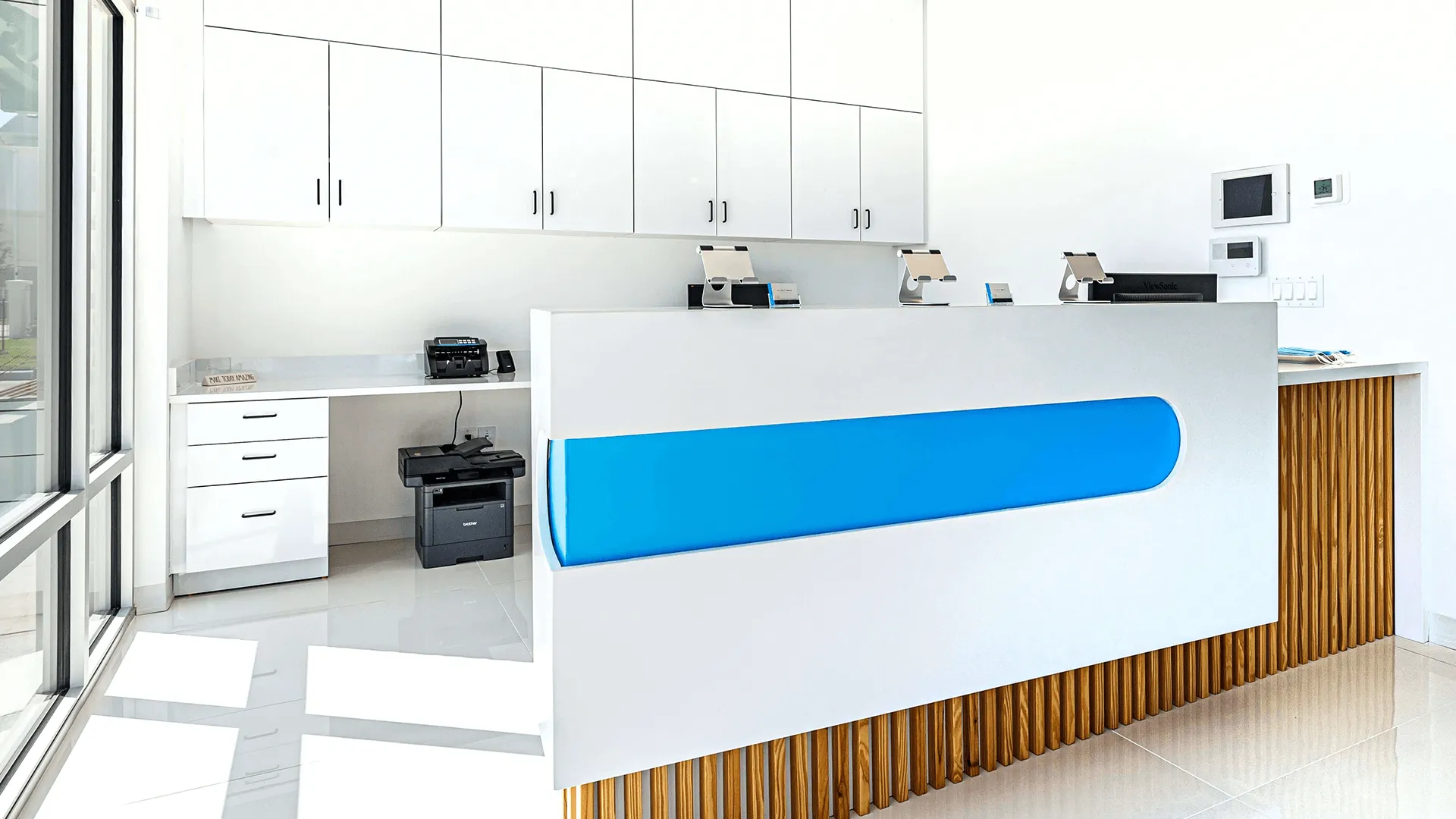
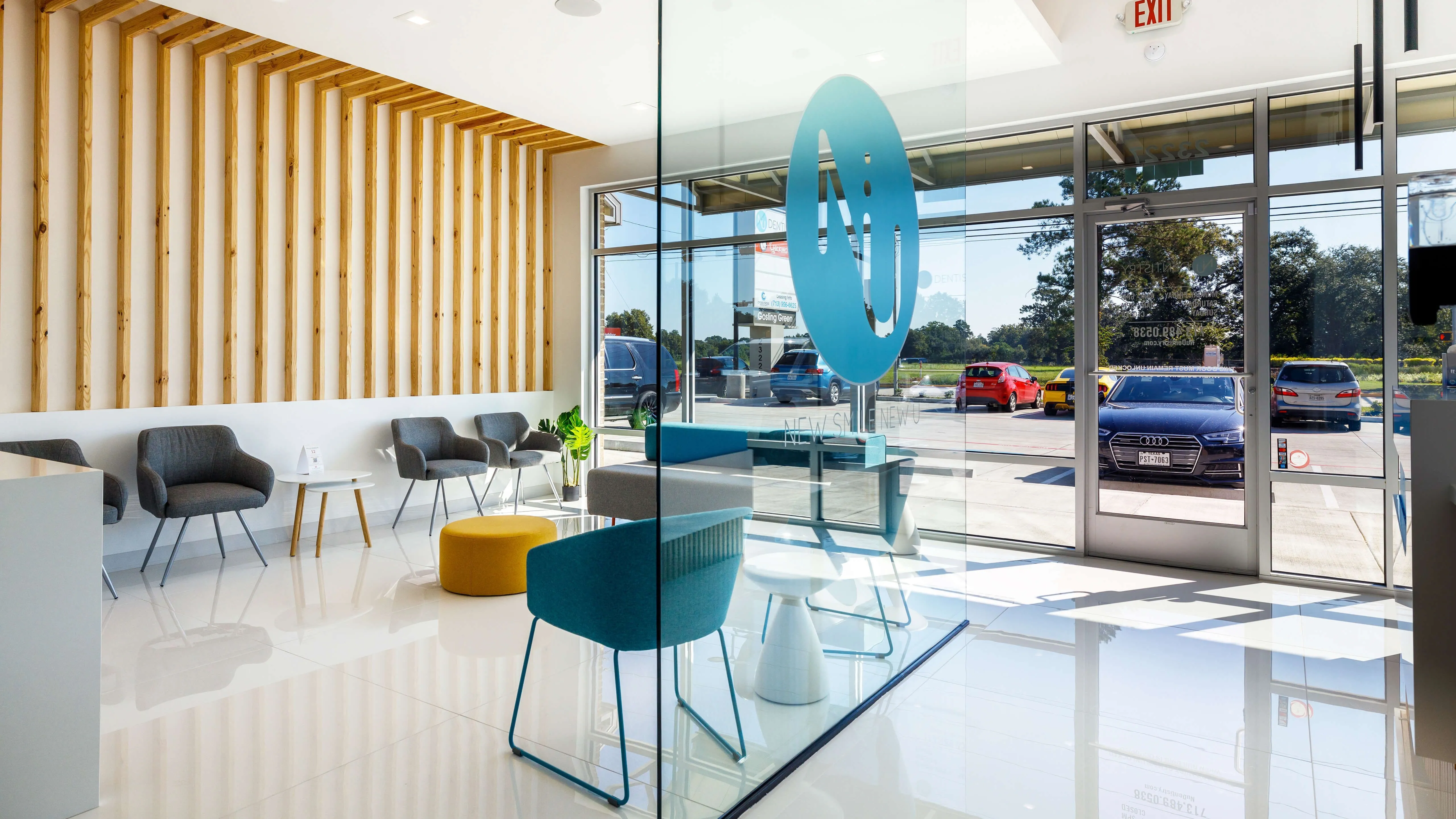
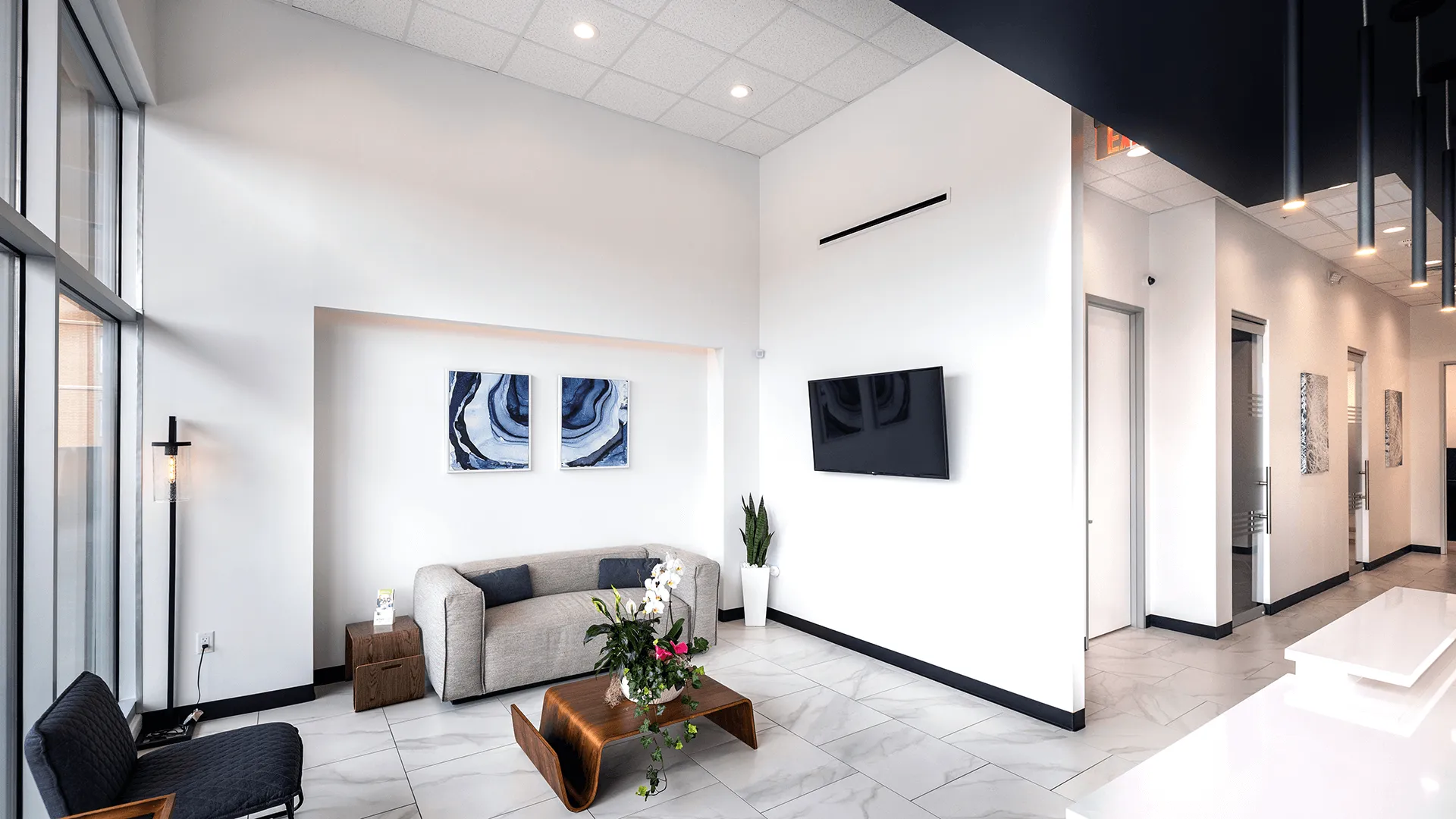
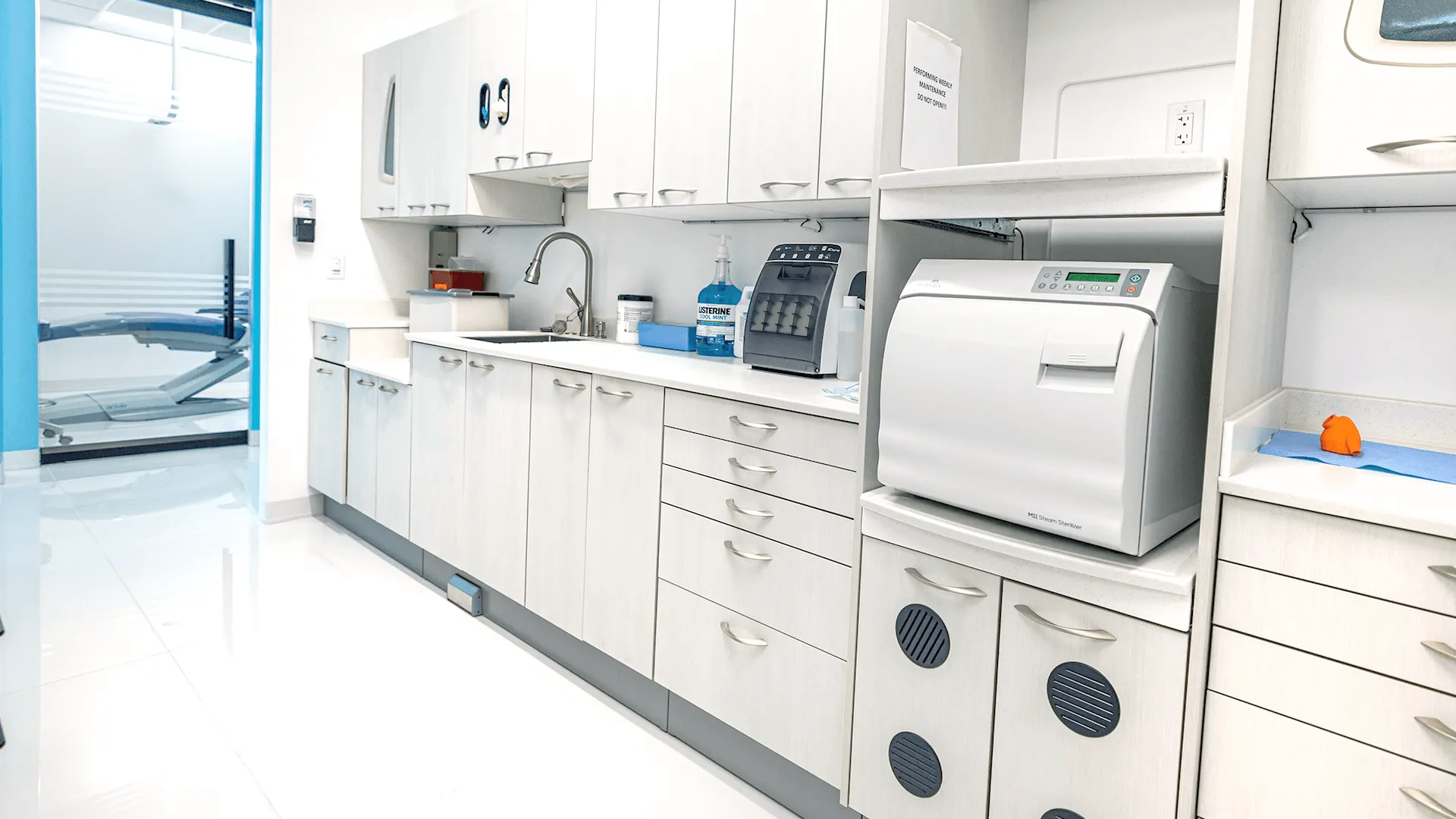
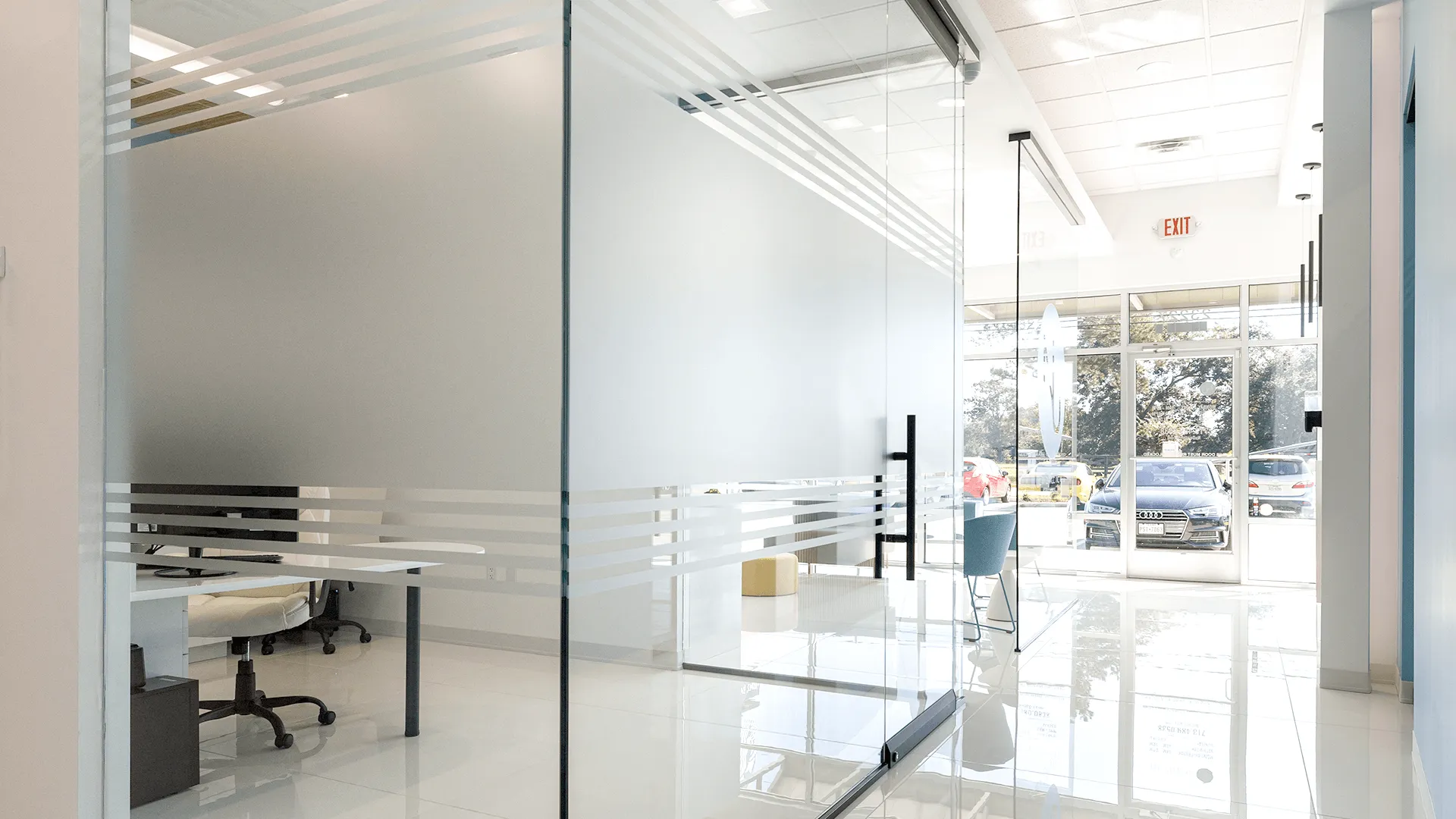
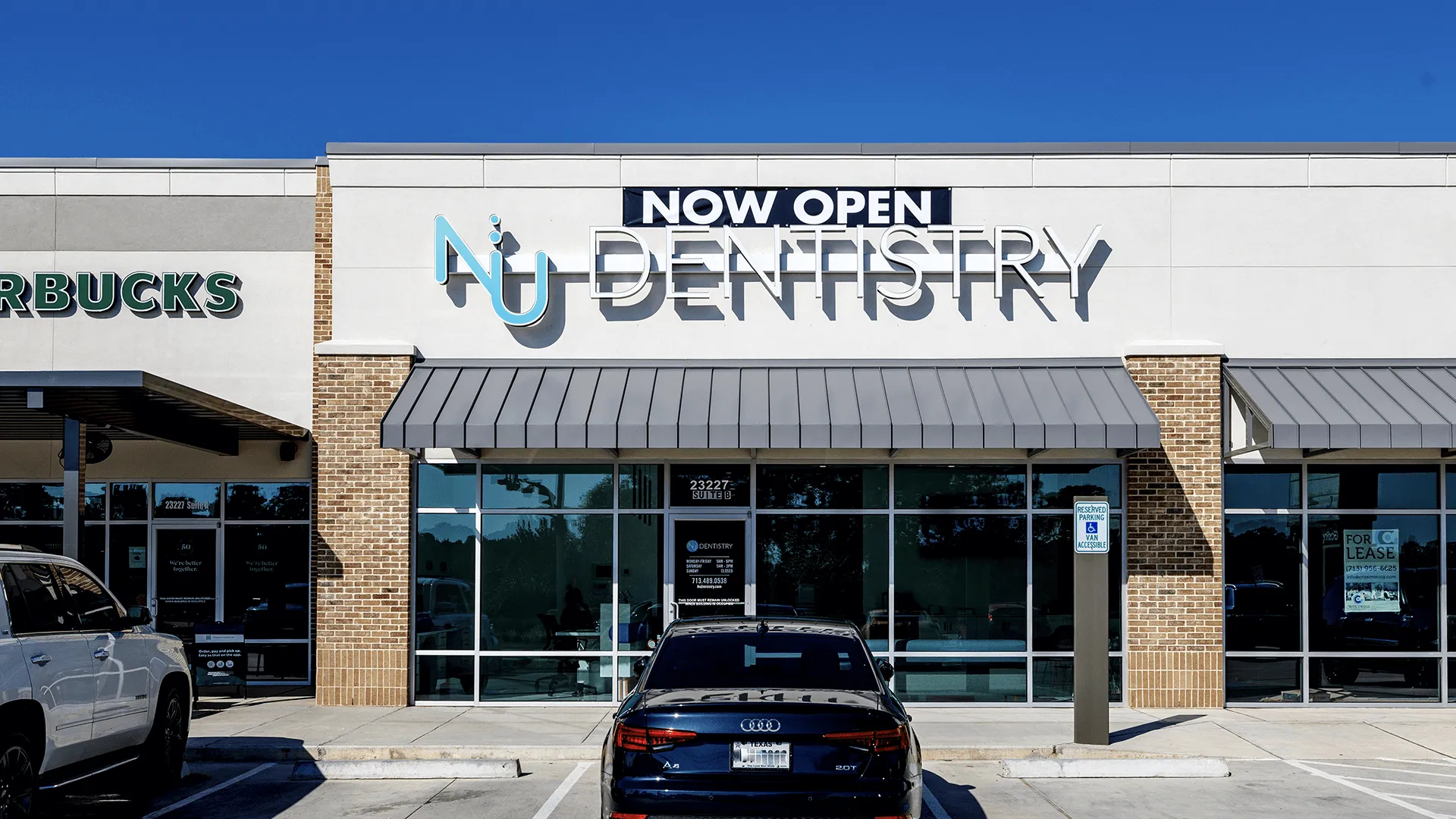
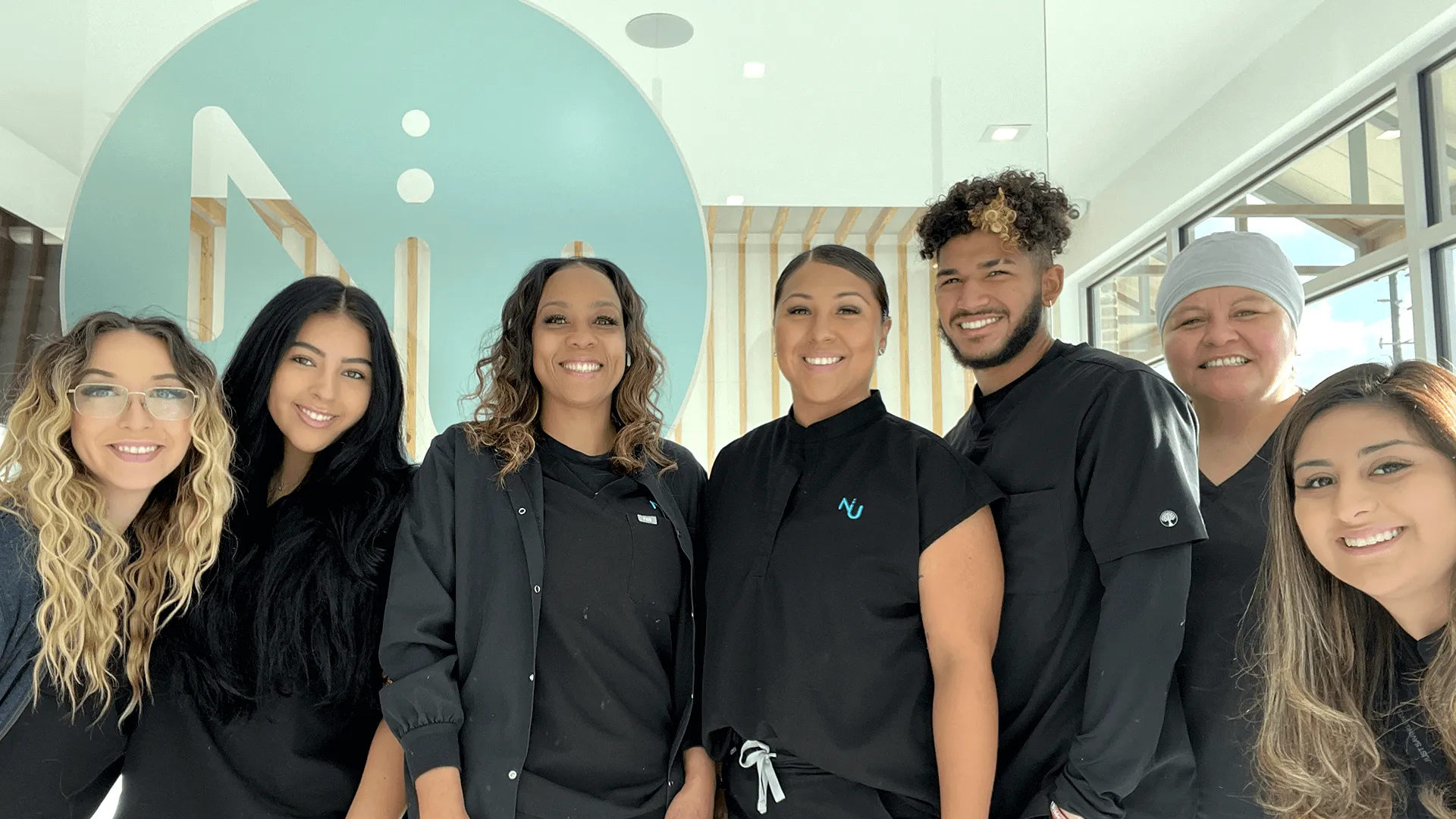
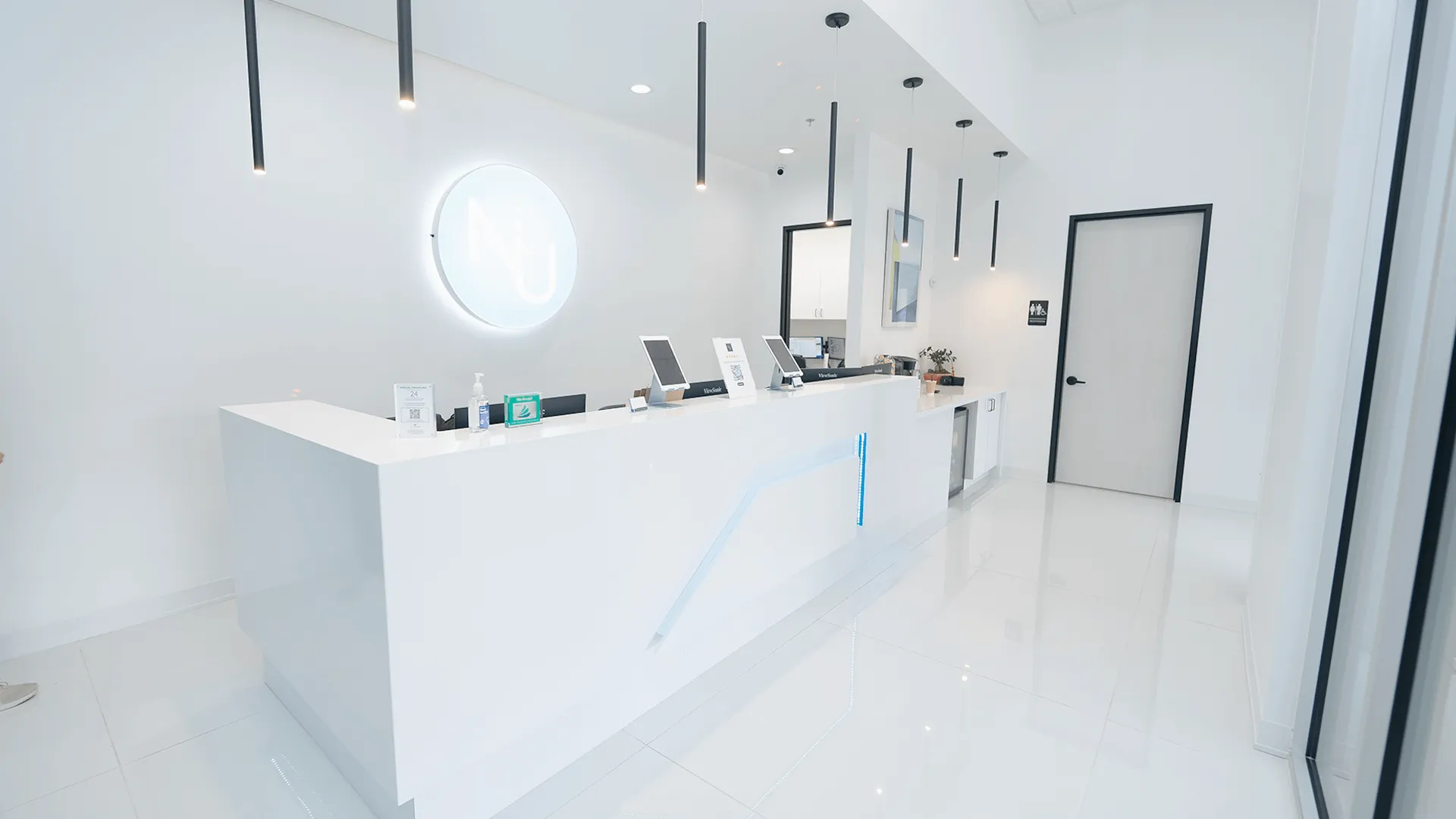
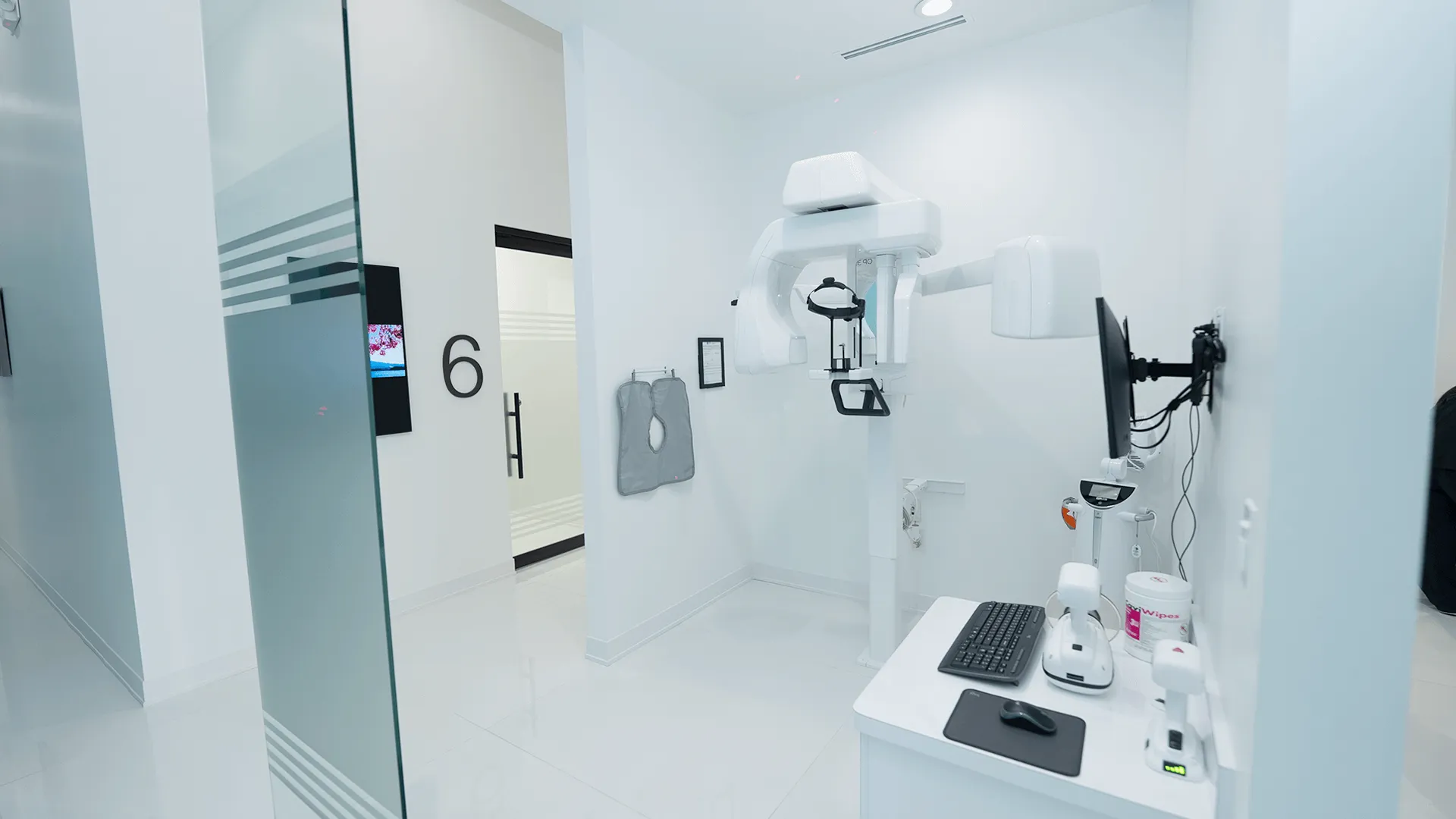
SEE WHAT A VISIT TO OUR MODERN, STATE-OF-THE-ART DENTIST OFFICE IS LIKE




Monday 9am - 6pm
Wednesday 9am - 6pm
Friday 9am - 6pm
Saturday 9am - 3pm
8940 Barker Cypress Rd. Cypress, TX 77433
3201 N. Shepherd Dr. Suite 113, Houston, TX 77018
8145 Highway 6, Building B #200, Missouri City, TX 77459
11115 W Grand Parkway S, Suite 140, Richmond, TX 77407
23227 Gosling Rd. Suite B, Spring, TX 77389
5706 San Felipe St. Ste B-300, Houston, TX 77057
// PATIENT TESTIMONIALS Cypress, TX
CHECK OUT WHAT OUR PATIENTS ARE SAYING IN CYPRESS, TX


// CARING DENTISTS Cypress, TX
OUR SOCIALS
FOLLOW US ON THESE SOCIAL MEDIA PLATFORMS