
Braces vs. Invisalign: Which Is Actually Better for Complex Bites?
Are braces or Invisalign better for complex bites? Compare clear aligners and traditional braces to find your best fit. Book a consultation in Cypress today!
Read More

Emergency Dentistry
Every time you flash that radiant smile, have you ever paused to ponder about the unsung heroes behind it - your gums? While pearly whites often steal the limelight, the health of your gums plays a pivotal role in your overall oral wellness. Enter periodontal disease, a condition more common than you might think, yet shrouded in many misconceptions. Whether you're curious, concerned, or downright clueless about it, this blog aims to shed light on its signs, stages, and treatment avenues.
Knowing what to watch out for can be a game-changer for your dental health.
Red and Swollen Gums:
The very first signs often seem harmless. Gums might appear a tad redder or puffier than usual. It's easy to dismiss it as a small gum irritation. But remember, it could be a hint towards the onset of periodontal disease.
Bleeding Gums:
Ever notice a tinge of blood when you brush or floss? While it might not seem like a big deal, bleeding gums are a classic early sign.
Persistent Bad Breath:
If you're always reaching out for that mint or mouthwash, and bad breath refuses to go, it might not just be because of that garlic bread.
Sensitive Teeth:
Feeling a sharp twinge while sipping on your cold smoothie or hot coffee? Sensitivity can be a red flag too.
Action Tip:
If any of these signs resonate with you, it might be time for a dental check-up. Don't wait for things to worsen!
It’s not a one-size-fits-all situation. The disease progresses in stages.
Description:
It's the initial stage, characterized by gum inflammation. It's a response to plaque buildup on teeth.
Symptoms:
Mild redness, swelling, and bleeding gums.
Treatment:
Regular dental cleaning and improved home care can reverse it.
Description:
If gingivitis is left untreated, it advances to this stage. The gums start pulling away from the teeth, forming pockets.
Symptoms:
Gum recession, pocket formation, and bone loss begin.
Treatment:
Scaling and root planing to clean below the gumline.
Description:
This is where things get serious. The fibers and bones supporting your teeth are destroyed.
Symptoms:
Deep pocket formation, visible bone loss, and tooth mobility.
Treatment:
Surgical treatments may be required, along with aggressive periodontal maintenance.
Remember:
Periodontal disease doesn’t appear overnight. Regular dental check-ups can catch and halt its progression!
Periodontal disease, just like many other health conditions, is multifaceted. Its management isn't as straightforward as a yes or no. Here's a deeper dive into understanding the ability to "fix" or treat it.
The Silver Lining: Early Detection and Intervention
Gingivitis:
The Reversible Stage: Gingivitis is the superhero phase where you've still got the power! At this initial stage, the inflammation and symptoms are purely a reaction to plaque buildup. Regular dental visits, professional cleaning, and an enhanced home care routine can not only manage but entirely reverse gingivitis. It's like rewinding a movie scene where you don't want any character to take a wrong turn.
The Complexities of Advanced Periodontal Disease
However, once the disease progresses to the phase of periodontitis, the situation becomes more complicated. The damage to the supporting bone and fibers of the teeth, sadly, is permanent. But, before you lose heart, remember that even at this stage, the right treatment strategies can halt the disease's further advancement and prevent additional complications.
What you can do:
Professional Cleaning:
Think of this as a spa day for your teeth. Regular dental cleaning sessions help in effectively removing tartar and plaque – the arch-nemeses of healthy gums.
Scaling & Root Planing:
Consider it a deep cleanse. Just as you'd exfoliate your skin to remove deep-seated impurities, this procedure does the same for your gums, targeting the root of the problem, literally and figuratively.
Medications:
For certain patients, and based on the disease's severity, antibiotics or antimicrobial mouthwashes might be the way to go. They can target and control the bacterial infection contributing to the disease.
Surgery:
In advanced stages or where standard treatments might not be as effective, surgical interventions come into play. Procedures like flap surgery or bone and tissue grafts can significantly help restore dental health by addressing deep infections and regenerating lost bone and tissue.
Takeaway:
It's vital to understand that some after-effects of periodontal disease are there to stay. But it's equally crucial to remember that modern dentistry offers incredible solutions. With timely interventions, advancements in treatments, and dedicated dental care, your smile doesn't have to fade. It's not just about retaining a smile, but also about ensuring optimal oral health, which, in turn, affects your overall well-being.
In a nutshell, while we might not always "fix" the aftermath of advanced periodontal disease, with the right approach and care, we can certainly give it a tough fight and win many battles along the way. If you're grappling with any of the symptoms or just need a dental health partner, our clinic is here to guide, treat, and support. Because every smile deserves to shine bright!
The domino effect of neglecting your gums can be daunting.
Tooth Loss:
The most apparent consequence. As the support structure weakens, teeth get loose and eventually fall out.
Bone Damage:
The jawbone gets eroded over time, affecting facial structure and appearance.
Systemic Health Issues:
Research suggests links between periodontal disease and heart disease, diabetes, and other chronic conditions.
Cosmetic Concerns:
Receding gums can make teeth appear longer, leading to aesthetic concerns.
Reality check:
Periodontal disease isn't just about your mouth. It's a window to your overall health. Don't turn a blind eye to the signs!
To wrap it up, periodontal disease isn't just a fancy term for bad oral hygiene. It’s a serious condition with far-reaching consequences. But here’s the good news: with awareness, early detection, and timely treatment, you can keep your smile intact! Feeling concerned or just curious? Schedule a consultation with our clinic, where your dental health is our utmost priority.


// NU DENTISTRY IN Cypress, Texas
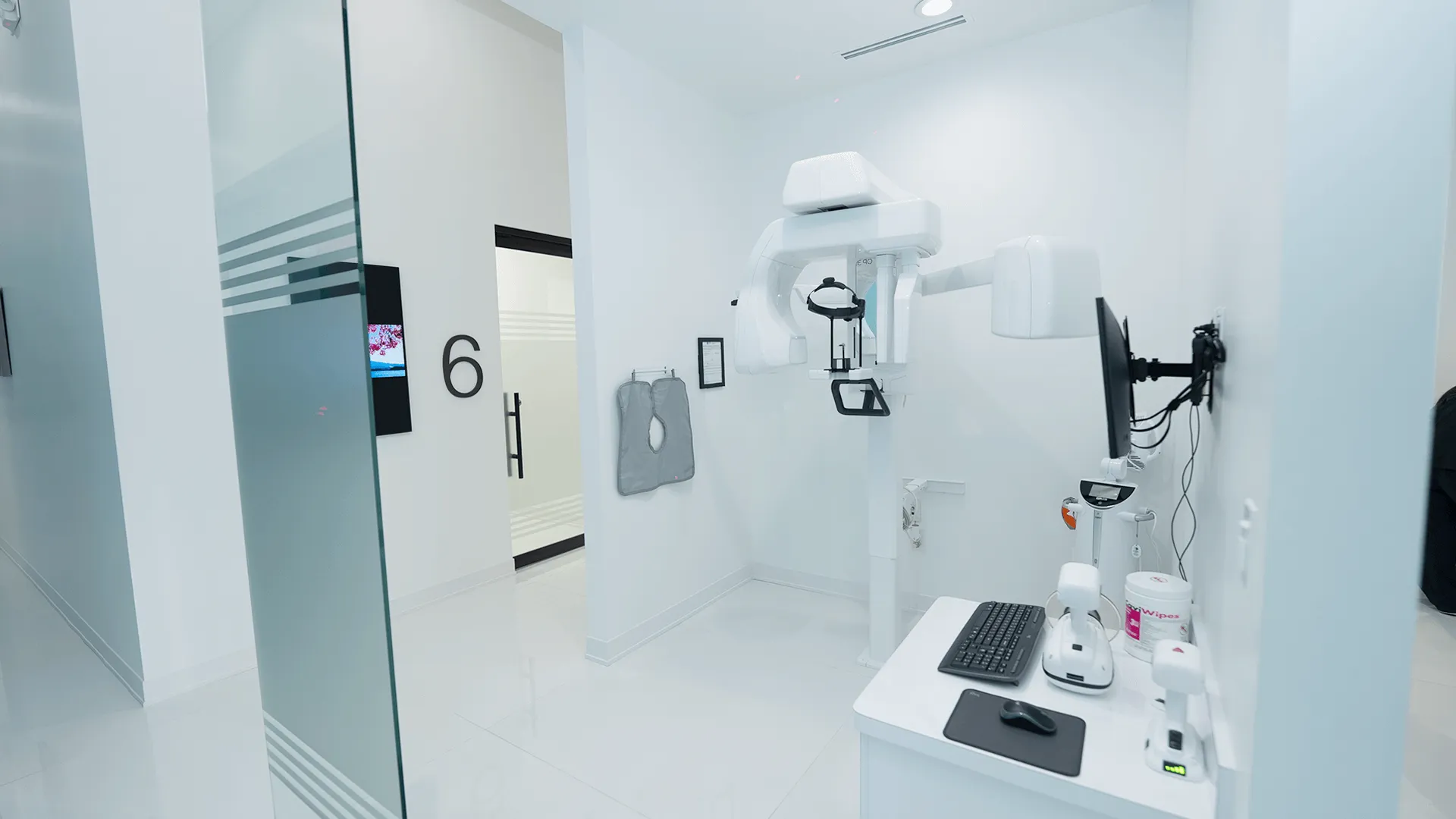
SEE WHAT A VISIT TO OUR MODERN, STATE-OF-THE-ART DENTIST OFFICE IS LIKE













Monday 9am - 6pm
Wednesday 9am - 6pm
Friday 9am - 6pm
Saturday 9am - 3pm
8940 Barker Cypress Rd. Cypress, TX 77433
3201 N. Shepherd Dr. Suite 113, Houston, TX 77018
8145 Highway 6, Building B #200, Missouri City, TX 77459
11115 W Grand Parkway S, Suite 140, Richmond, TX 77407
23227 Gosling Rd. Suite B, Spring, TX 77389
5706 San Felipe St. Ste B-300, Houston, TX 77057
// PATIENT TESTIMONIALS Cypress, TX
CHECK OUT WHAT OUR PATIENTS ARE SAYING IN CYPRESS, TX


// CARING DENTISTS Cypress, TX
OUR SOCIALS
FOLLOW US ON THESE SOCIAL MEDIA PLATFORMS