
Braces vs. Invisalign: Which One Actually Works Better for Your Teeth?
Braces vs. Invisalign: which works better for your smile? Compare results, comfort, and costs to decide. Book your orthodontic consultation in Cypress today!
Read More 
Cosmetic Dentistry, Teeth Straightening
Traditional braces remain one of the most clinically reliable orthodontic options available, but the real decision isn't just metal vs. clear — it's about understanding what each system can and can't do, what happens when treatment doesn't go as planned, and how your insurance coverage may be far more limited than you assume.
Most orthodontic comparisons frame the braces-vs-aligners decision as a matter of aesthetics or lifestyle preference. That framing leaves out something important: certain tooth movements are mechanically difficult for aligners to perform predictably.
For Cypress-area patients, severe rotations, significant vertical movements (like extruding a tooth upward), and cases requiring premolar extractions can push clear aligners past their clinical limits. When that happens, patients sometimes experience what's called tracking failure — the aligner trays no longer fit correctly because the teeth haven't moved as planned. The result is an unplanned mid-treatment switch to traditional brackets.
This "hybrid" or rescue scenario is clinically manageable, but it carries a real financial and time penalty. The patient has already paid for a full aligner series. Now they're starting a second phase with conventional braces on top of that. Neither fee cancels the other. According to Healthline, traditional braces allow for more precise control of complex movements, and aligners are simply not appropriate for moving severely crowded or malaligned teeth — a distinction that matters enormously when choosing upfront.
The safest way to avoid a rescue case is a thorough clinical evaluation before treatment begins. An orthodontist who reviews your specific rotation angles, bite depth, and extraction needs can tell you whether Invisalign is a realistic option or whether braces are the more reliable path from the start.
Here's where many adult patients get blindsided. Most standard dental plans don't include orthodontic coverage for adults at all. When an orthodontic rider does exist, it typically carries a lifetime maximum — and that maximum is often paid out in monthly installments over the course of treatment rather than as a single lump sum.
That structure matters more than most people realize. If you change employers or lose coverage midway through a two-year treatment, the remaining monthly installments stop. You absorb the balance out of pocket, regardless of how much treatment remains.
Age exclusions are another common trap. Many orthodontic riders cut off coverage at a defined age threshold — sometimes as low as 19, occasionally extending to 26. Adults who assume their dental plan covers braces may not discover the exclusion until they've already started treatment.
Before committing to any orthodontic plan, audit your benefits documentation specifically for: the age limit on the orthodontic rider, whether the lifetime maximum is disbursed as a lump sum or in installments, and what happens to that disbursement if coverage lapses. You can also ask your HR department about splitting FSA or HSA contributions across two calendar years to help offset out-of-pocket gaps — a strategy that's particularly useful for multi-year treatment timelines.
WebMD notes that adults aged 50 and over can still benefit from orthodontic treatment, which means adult coverage gaps affect a much wider patient population than insurers' age cutoffs might suggest.
Once you understand the clinical and financial landscape, traditional braces look quite different from their reputation.
What they do well: The American Dental Association's MouthHealthy resource explains that dental braces correct malocclusion by applying consistent, controlled pressure — addressing crowding, spacing, bite problems, and jaw alignment. For complex cases, no other system currently offers the same degree of precision. Treatment time is often shorter than with aligners for severe cases. Metal brackets are also the most durable option, and ceramic brackets offer a less visible alternative without sacrificing clinical control.
What to watch for: Brackets — especially ceramic — can debond. Most orthodontic contracts include one or two complimentary emergency visits, then charge per broken bracket after that. Ask your provider explicitly what their policy is before signing. A Healthline overview of ceramic braces notes that ceramic brackets are more than twice as likely to fracture compared to metal, and debonding during removal has been associated with enamel surface damage.
Retainers are another ongoing cost that rarely appears in initial quotes. Fixed lingual retainers and removable retainers both require eventual replacement — and that recurring expense continues long after active treatment ends. Get clarity on retainer type and replacement policy as part of your initial consultation.
Oral hygiene is more demanding with fixed brackets. Food traps around brackets can accelerate plaque buildup if brushing and flossing routines aren't adapted. Staying current with your cleaning and exam appointments during orthodontic treatment is especially important for catching early signs of decay or gum issues. Healthline's overview of self-ligating braces notes that ligatures on traditional braces can trap food particles, making self-ligating systems marginally easier to clean — a consideration worth discussing if hygiene compliance is a concern.
There's no universal answer, and that's the honest truth. Mild to moderate spacing and crowding with no significant bite issues? Aligners may work well. Complex rotations, bite correction, or extractions? Traditional braces — metal or ceramic — are typically the more predictable path.
Self-ligating systems like Damon braces sit in between: they use a built-in clip rather than elastic ties, which can reduce friction and may shorten adjustment appointments. Clear braces offer near-invisibility with the clinical strength of fixed brackets, though they require specialized placement and tend to carry a higher overall investment. Lingual braces offer near-invisibility with the clinical strength of fixed brackets, though they require specialized placement and tend to carry a higher overall investment.
The variables that matter most are your specific tooth movements, your compliance habits, your insurance situation, and how your provider handles the unexpected — broken brackets, lost trays, or mid-treatment adjustments. In some cases, underlying issues like gum disease need to be addressed before orthodontic treatment can safely begin.
If you're weighing orthodontic treatment in the Cypress, Texas area, the team at Nu Dentistry Cypress can walk you through which approach fits your clinical needs and lifestyle. A thorough evaluation before you commit is the best way to avoid costly surprises down the road. Whether you're also considering aesthetic dentistry options to complement your orthodontic results, we're here to help you plan the full picture. Reach out to schedule your consultation today.
Medical disclaimer: This article is for informational purposes only and does not constitute medical or dental advice. Always consult a qualified dental professional for diagnosis and treatment recommendations specific to your situation.


// NU DENTISTRY IN Cypress, Texas
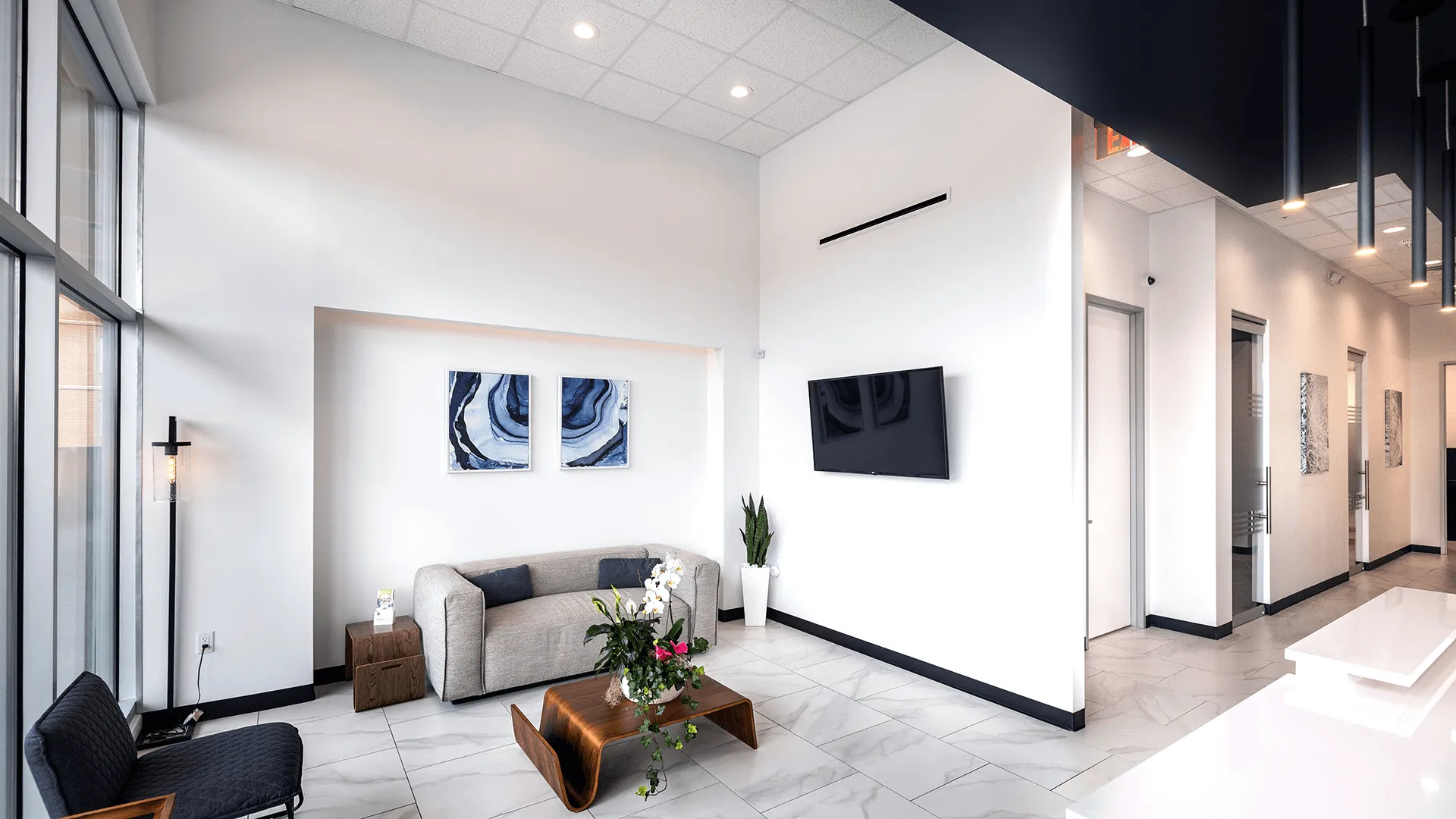
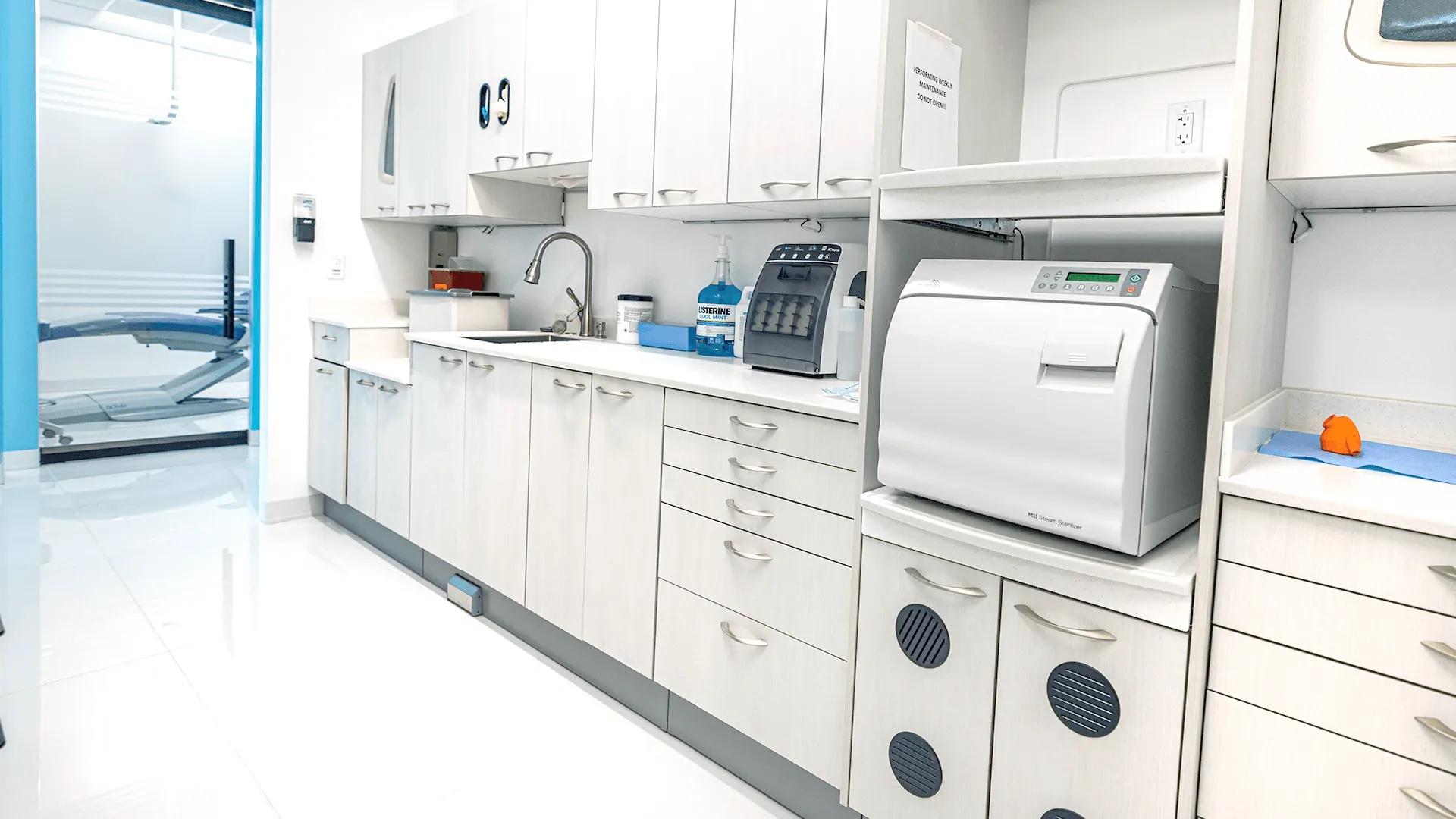
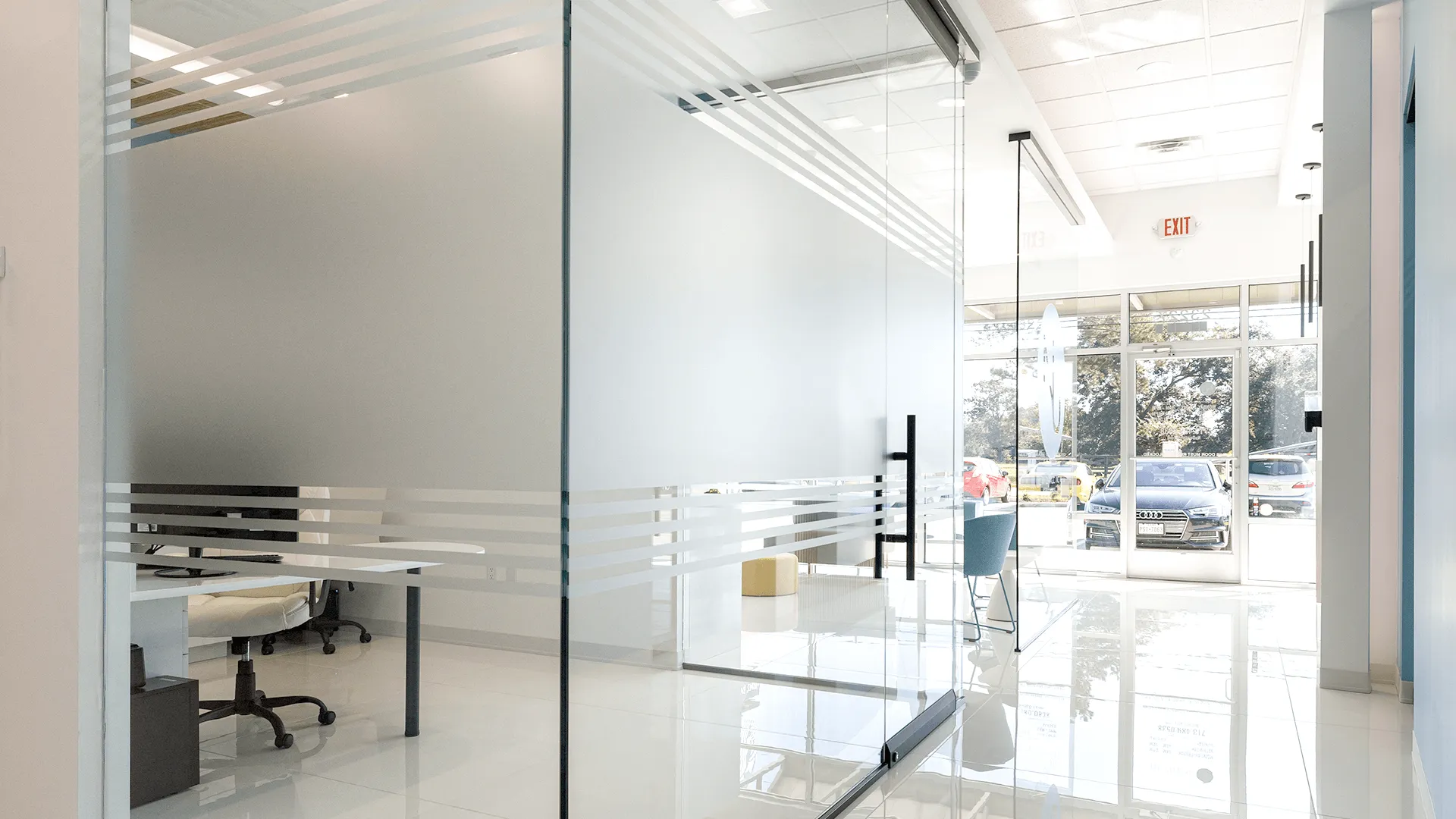
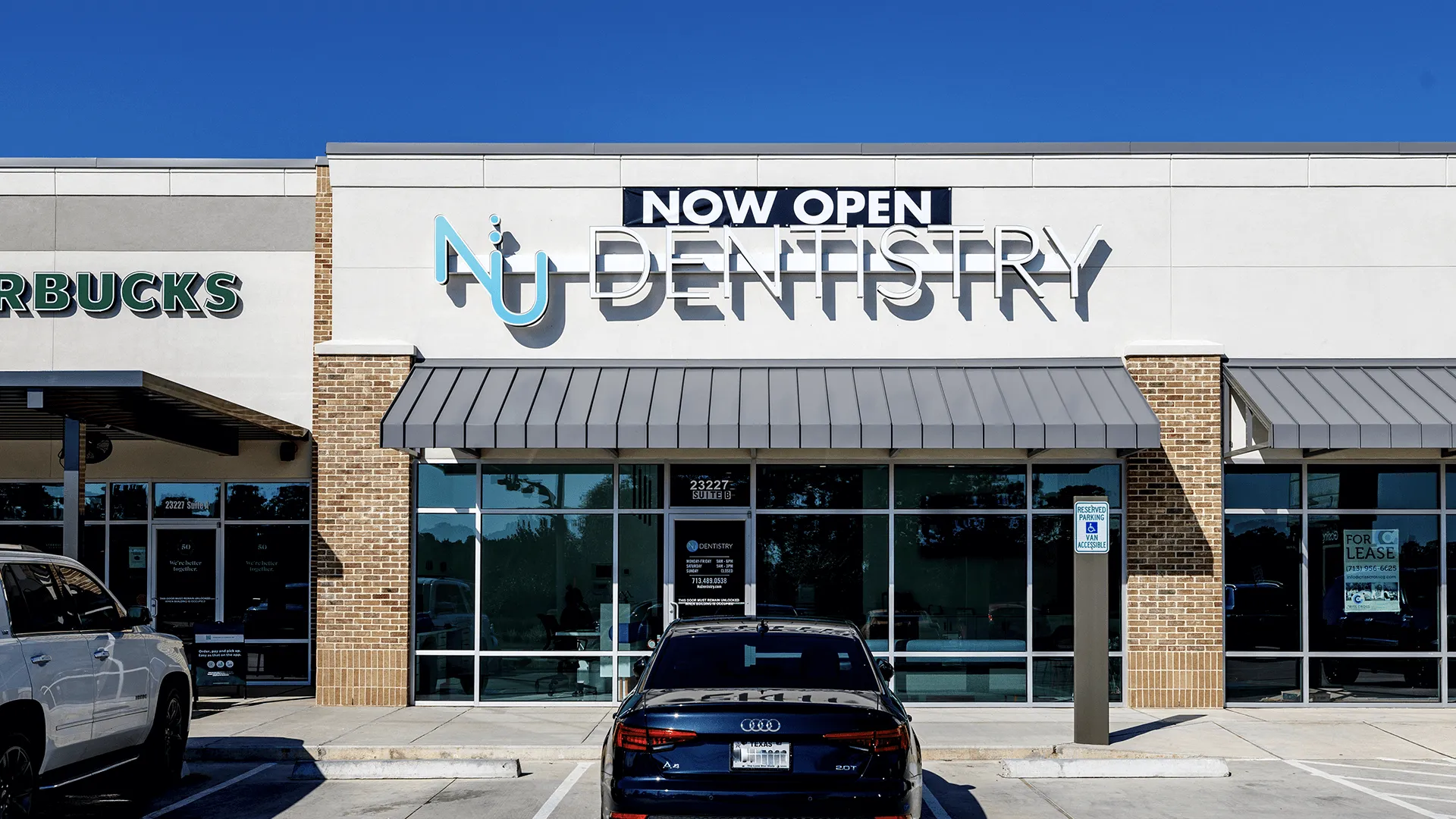
SEE WHAT A VISIT TO OUR MODERN, STATE-OF-THE-ART DENTIST OFFICE IS LIKE



Monday 9am - 6pm
Wednesday 9am - 6pm
Friday 9am - 6pm
Saturday 9am - 3pm
8940 Barker Cypress Rd. Cypress, TX 77433
3201 N. Shepherd Dr. Suite 113, Houston, TX 77018
8145 Highway 6, Building B #200, Missouri City, TX 77459
11115 W Grand Parkway S, Suite 140, Richmond, TX 77407
23227 Gosling Rd. Suite B, Spring, TX 77389
5706 San Felipe St. Ste B-300, Houston, TX 77057
// PATIENT TESTIMONIALS Cypress, TX
CHECK OUT WHAT OUR PATIENTS ARE SAYING IN CYPRESS, TX


// CARING DENTISTS Cypress, TX
OUR SOCIALS
FOLLOW US ON THESE SOCIAL MEDIA PLATFORMS