
Braces vs. Invisalign: Which Is Actually Better for Complex Bites?
Are braces or Invisalign better for complex bites? Compare clear aligners and traditional braces to find your best fit. Book a consultation in Cypress today!
Read More

Cosmetic Dentistry, Teeth Straightening
Braces require specific dietary changes, regular orthodontic visits, and a more thorough daily hygiene routine. Understanding why each rule exists — not just what the rule is — makes the entire process easier to stick with.
Most patients know to skip popcorn and hard candy. According to Healthline, foods like nuts, ice, chewy candy, pizza crust, and crunchy vegetables can bend wires or pop brackets off entirely. That part is straightforward.
For Cypress-area patients, what rarely gets explained is the second category of food risk — one that matters enormously if you chose ceramic or clear braces for aesthetic reasons.
Clear elastic ligatures (the tiny bands holding your archwire to each bracket) are made from medical-grade polyurethane. They're transparent when placed, but certain foods chemically stain them within days. The culprits aren't necessarily crunchy or sticky:
These foods don't break your brackets. They turn your "invisible" braces a dingy yellow weeks before your next adjustment appointment.
A practical mitigation strategy: after eating any staining food, rinse immediately with a baking soda and water solution (approximately half a teaspoon per cup of water). This mild alkaline rinse neutralizes residual acids and disrupts pigment binding before it sets permanently into the band material.
For structural protection, the full avoid list remains: popcorn, hard pretzels, bagels, hard rolls, chewing gum, caramel, hard candy, and raw crunchy vegetables like carrots and celery. Mouthhealthy.org notes you can often work around some restrictions by cutting food into small pieces — slicing apples instead of biting into them, cutting corn off the cob, removing rib meat from the bone.
During the first week after placement, and after every tightening appointment, expect soreness. Stick to scrambled eggs, yogurt, oatmeal, mashed potatoes, smoothies, soft pasta, and ripe fruit cut into small pieces until the sensitivity passes.
Patients frequently worry when their orthodontist shifts from scheduling visits every 8–10 weeks to suddenly requesting appointments every 3–4 weeks. This feels like something went wrong. It didn't. The change reflects the metallurgy of the wires being used at each stage.
Early in treatment, the goal is leveling and alignment — moving teeth from severely crooked positions into a general arch form. Orthodontists typically use superelastic Copper-Nickel-Titanium (CuNiTi) wires for this phase. These wires are activated by body temperature, transitioning from a flexible state to a shape-memory state once inside the mouth. They exert a constant, gentle force that continues working between appointments for up to 8–10 weeks without requiring manual adjustment. Fewer visits are needed because the wire is doing the work passively.
Later in treatment, the goal shifts to detailing — fine-tuning rotations, torque, and bite relationships. This requires stiffer Stainless Steel or TMA (beta-titanium) wires that an orthodontist bends precisely by hand. These wires deliver targeted forces but must be monitored frequently — typically every 3–4 weeks — to prevent overcorrection and ensure tooth movement stays on plan.
Research published in PMC supports that shorter appointment intervals during specific treatment phases contribute to more efficient outcomes. So when your schedule suddenly gets busier, it's a sign treatment is progressing into its most precise stage — not stalling.
Most people wear dental braces between one and three years total, with the exact timeline depending on bite complexity, jaw alignment needs, and patient compliance with dietary and hygiene instructions.
Brackets and wires create dozens of new plaque-retention sites that a standard brushing routine simply won't address. Plaque buildup during orthodontic treatment is two to three times higher than in patients without appliances, which directly increases the risk of gum disease and, more seriously, enamel decalcification.
Decalcification is the process most patients don't hear about until it's too late. Plaque acids leach calcium from enamel over time, leaving permanent white square scars exactly where brackets were bonded — visible the moment braces come off. Diligent brushing helps, but it doesn't fully address the chemical environment around bracket margins.
Two tools make a meaningful clinical difference here:
Ask your orthodontist whether either of these is appropriate for your situation, particularly if you're prone to plaque buildup or have had white spot lesions before.
For daily mechanics, a Healthline guide on flossing with braces recommends using waxed floss threaded behind the archwire for each tooth gap, or a Waterpik with an orthodontic tip as a faster alternative. An interproximal (proxy) brush cleans around bracket bases and under wires where a standard toothbrush can't reach. The NIDCR emphasizes angling bristles toward the gumline and using small circular motions — critical for clearing the bracket-gum junction where decalcification most commonly begins.
Rinse with water after every meal. Brush at minimum twice daily, ideally after each meal. Scheduling regular cleaning and exam appointments throughout your orthodontic treatment helps catch early signs of enamel damage or plaque buildup before they become serious. And limit sugary foods and beverages — not just because they break brackets, but because sugar feeds the plaque bacteria responsible for the white spot scarring that outlasts the braces themselves.
If you're considering Invisalign or traditional braces and have questions about diet, adjustments, or protecting your enamel, Nu Dentistry Cypress is here to help. Our team serves patients throughout Cypress, Texas and the greater Houston area with personalized orthodontic guidance at every stage of treatment. Reach out to schedule your consultation.
Medical disclaimer: This article is intended for informational purposes only and does not constitute professional dental or medical advice. Always consult a licensed dental professional for guidance specific to your oral health needs.


// NU DENTISTRY IN Cypress, Texas
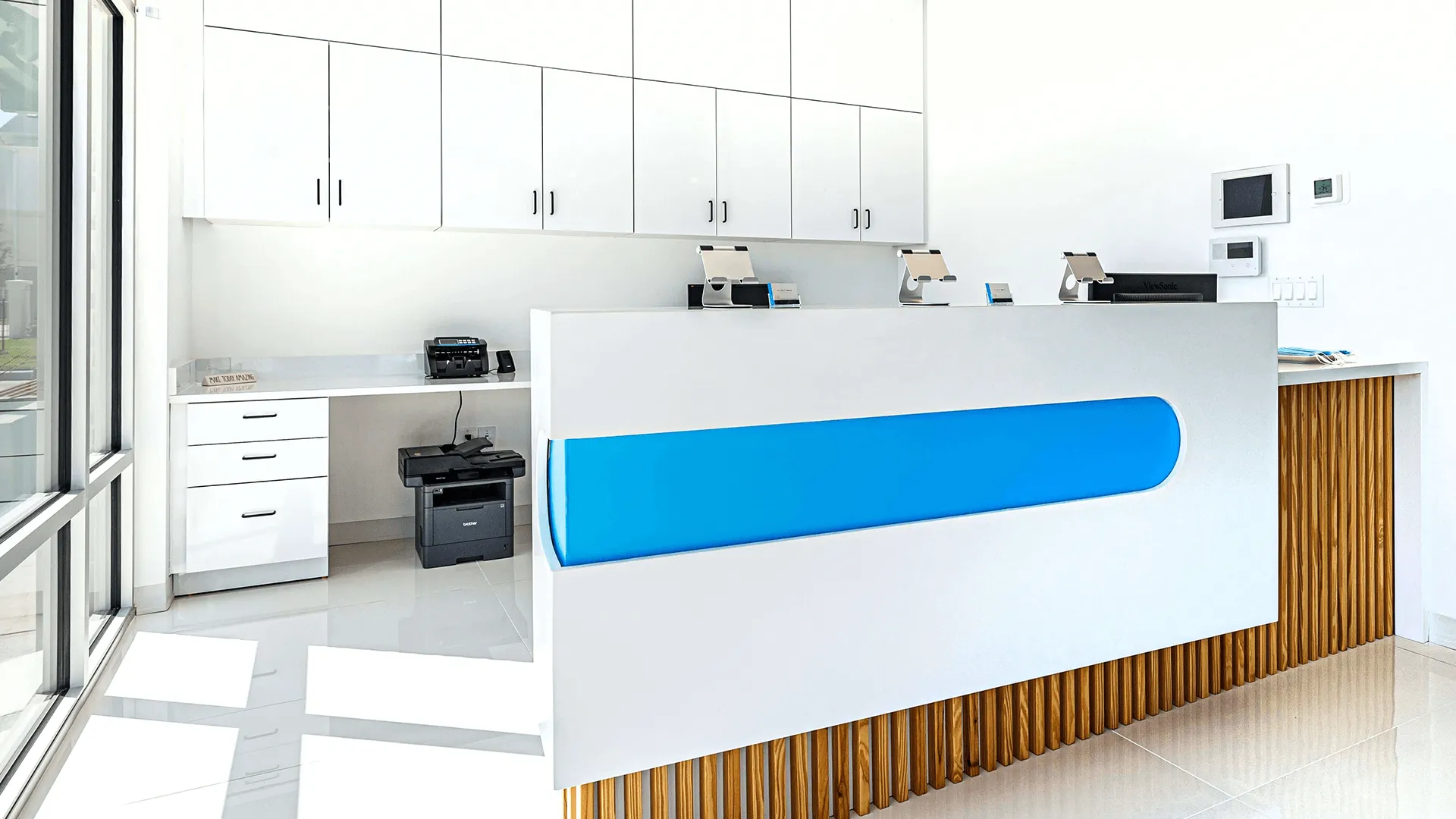
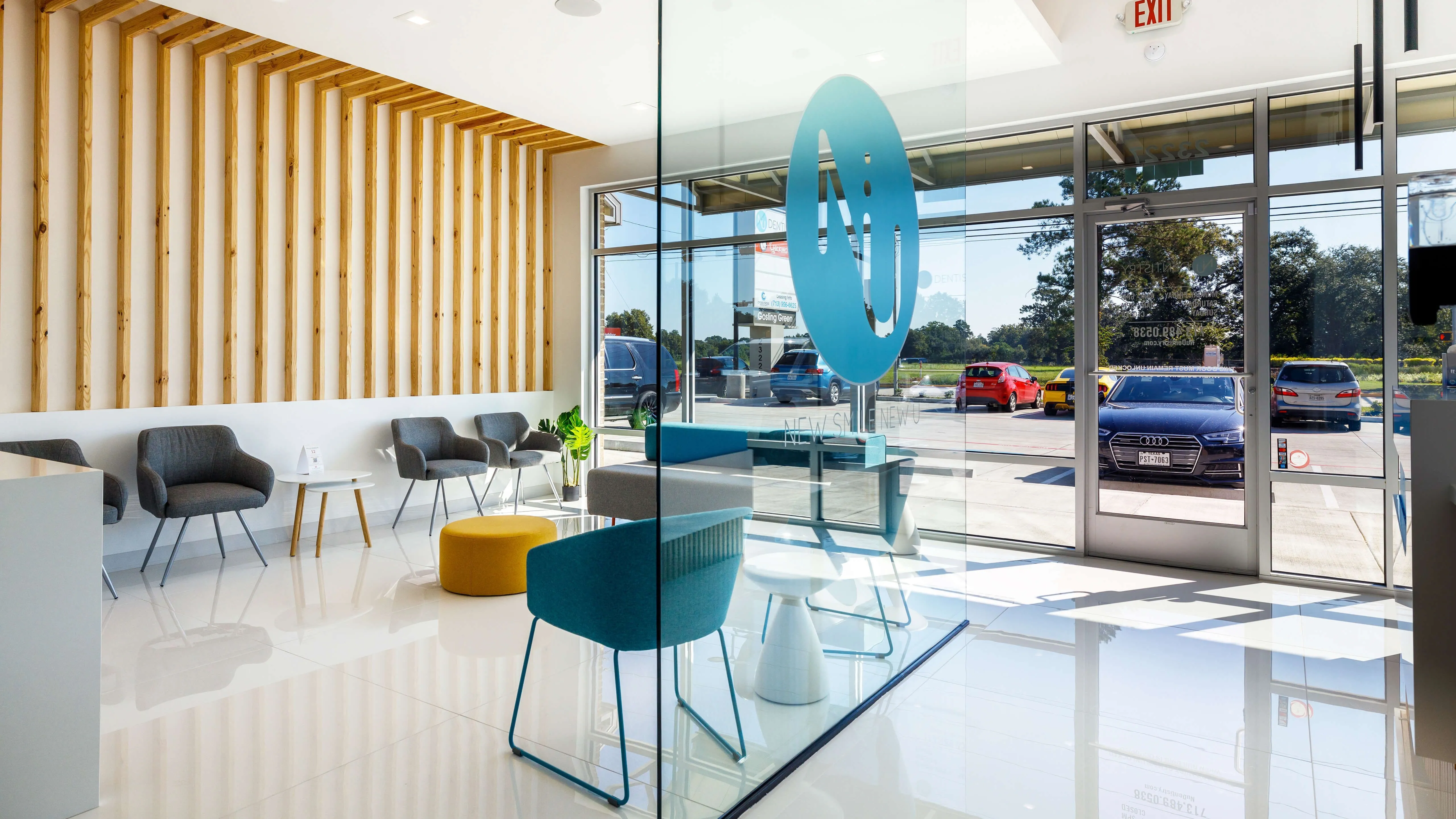
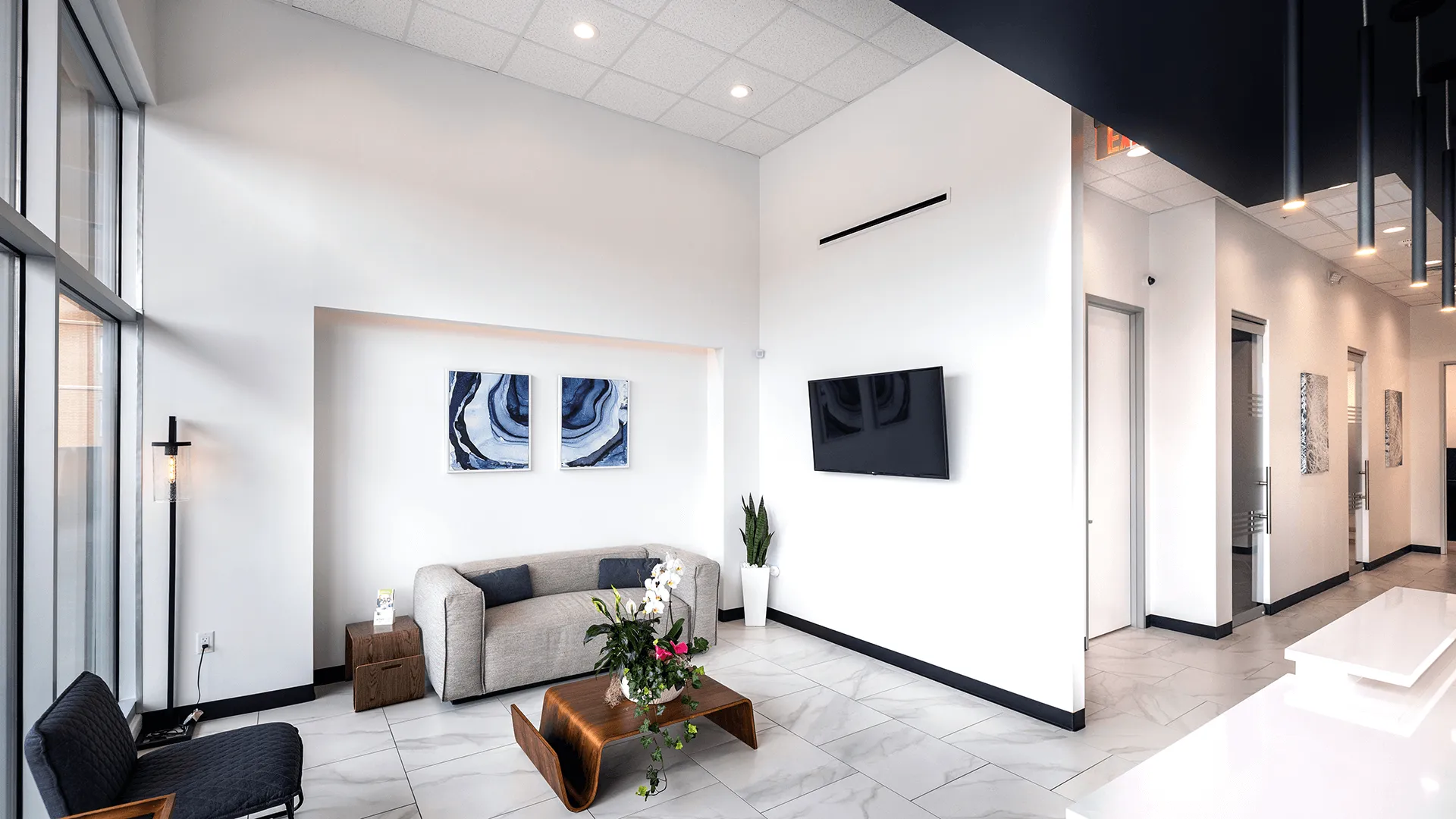
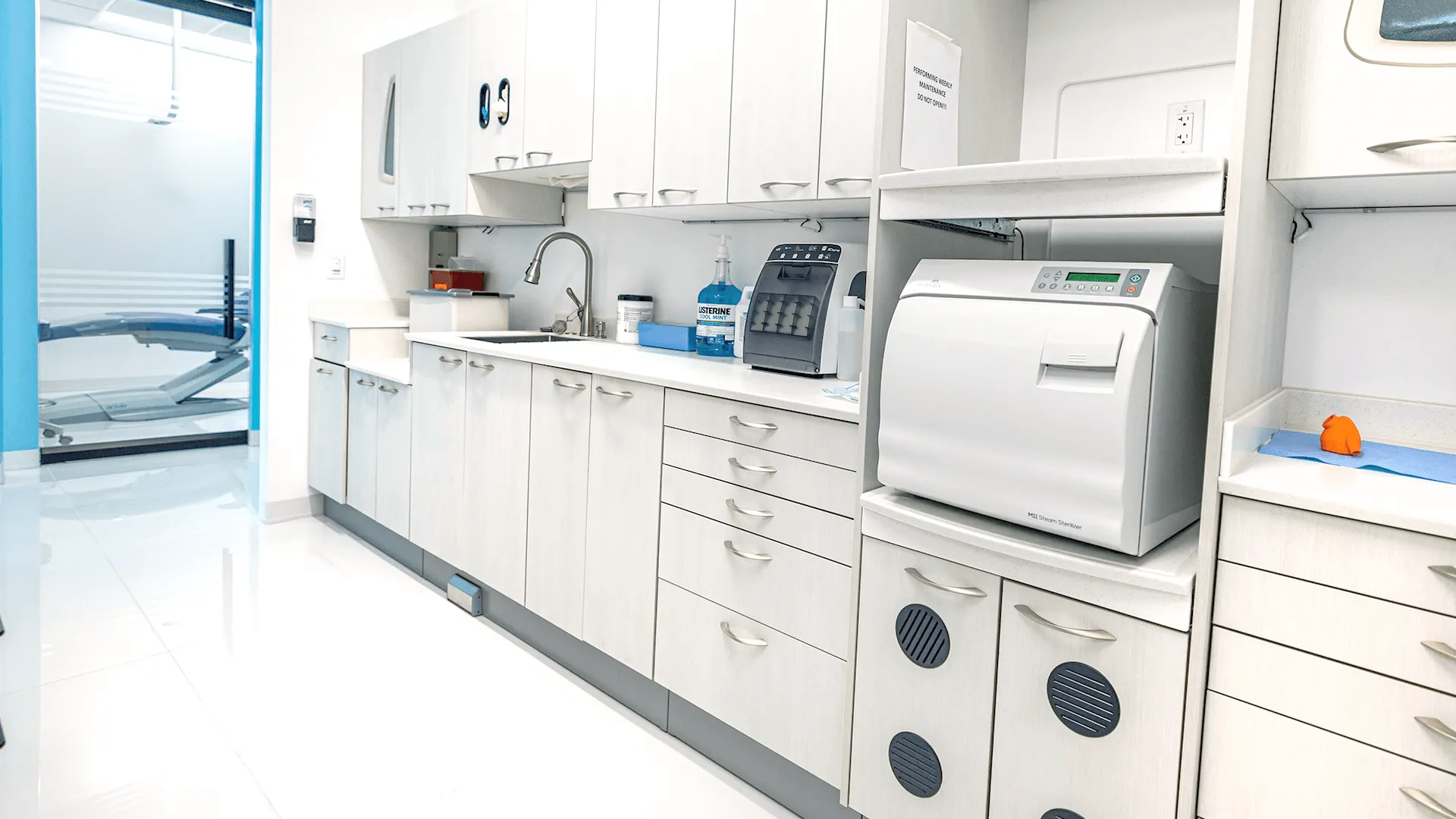
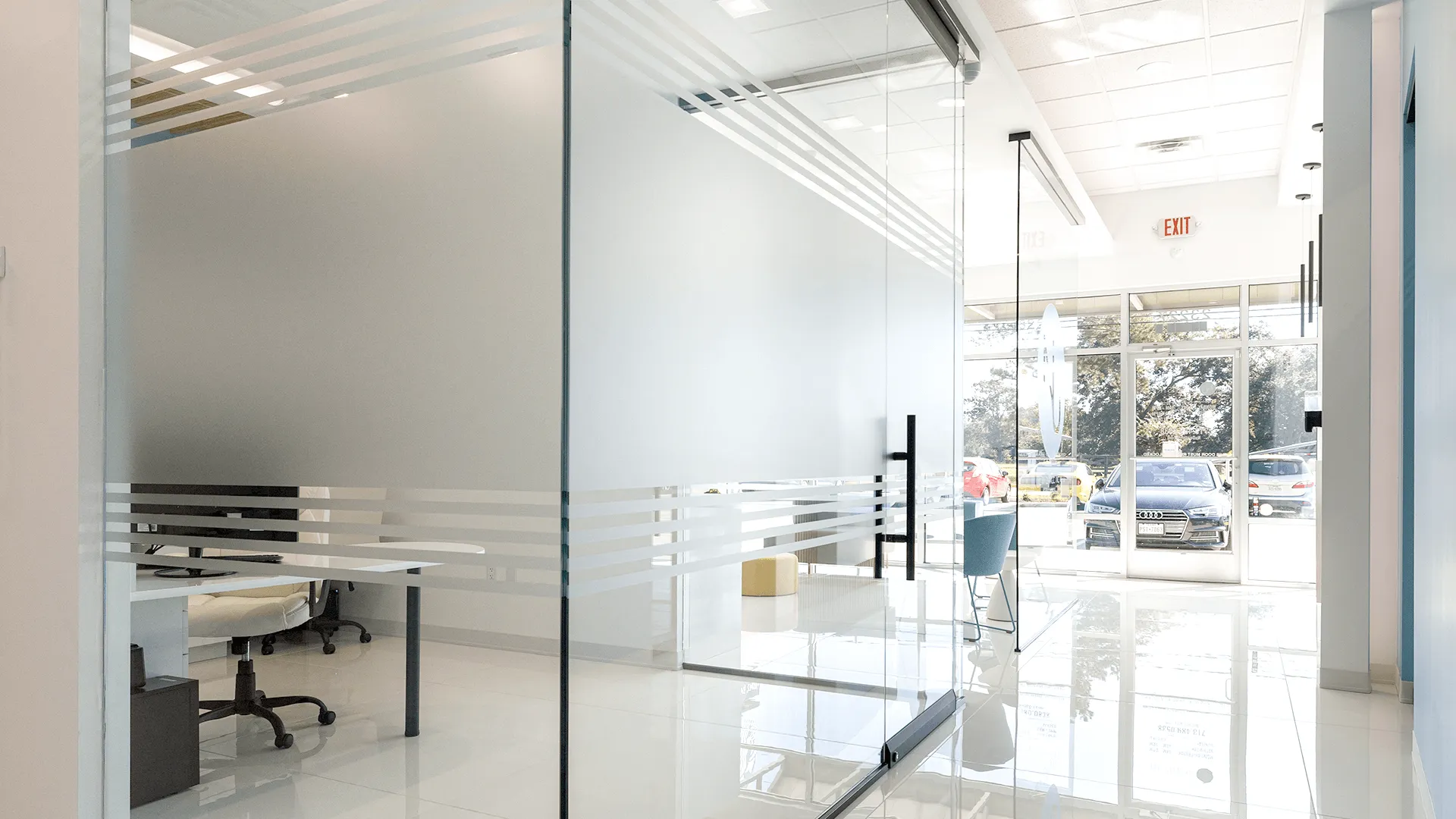
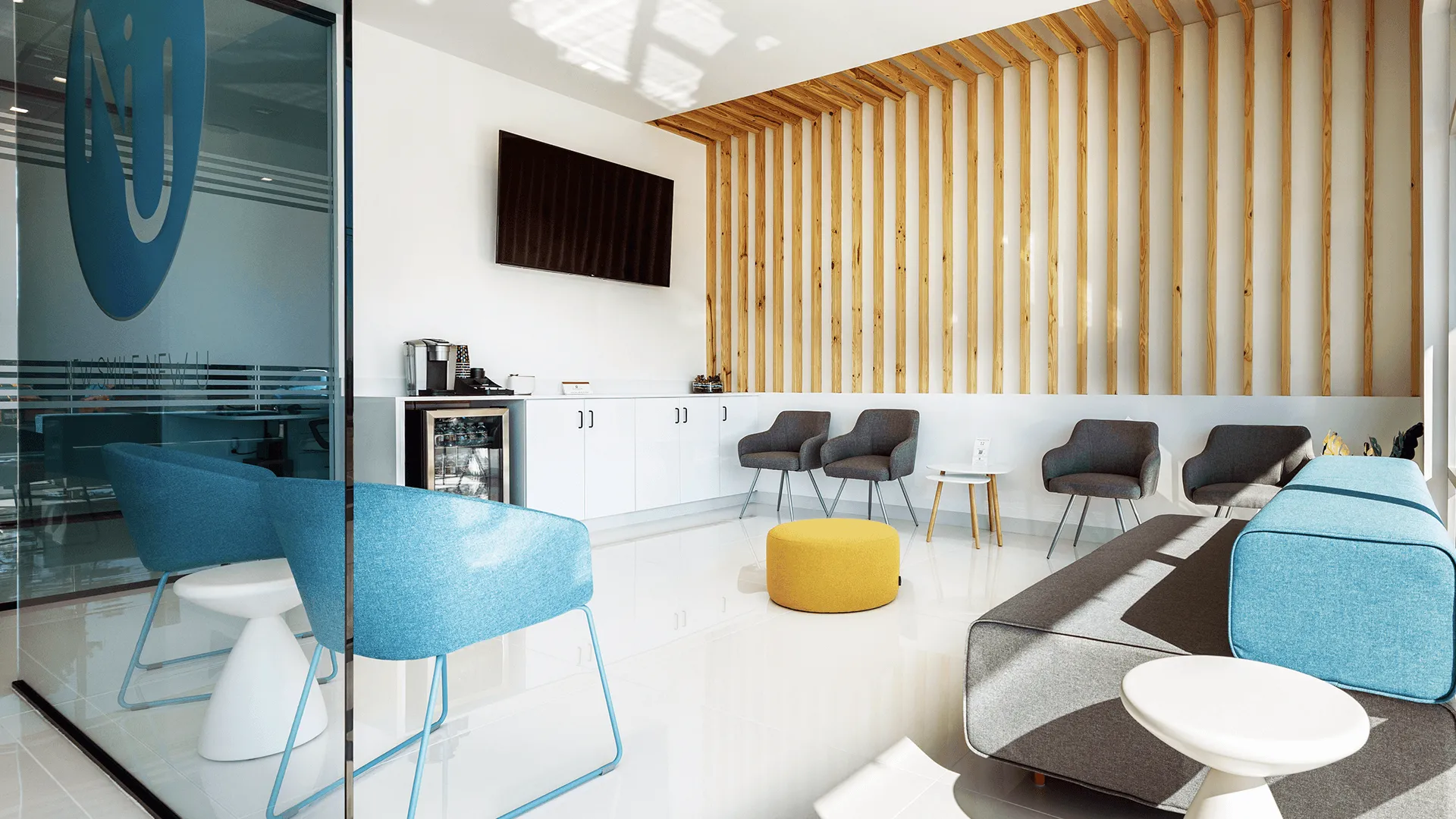
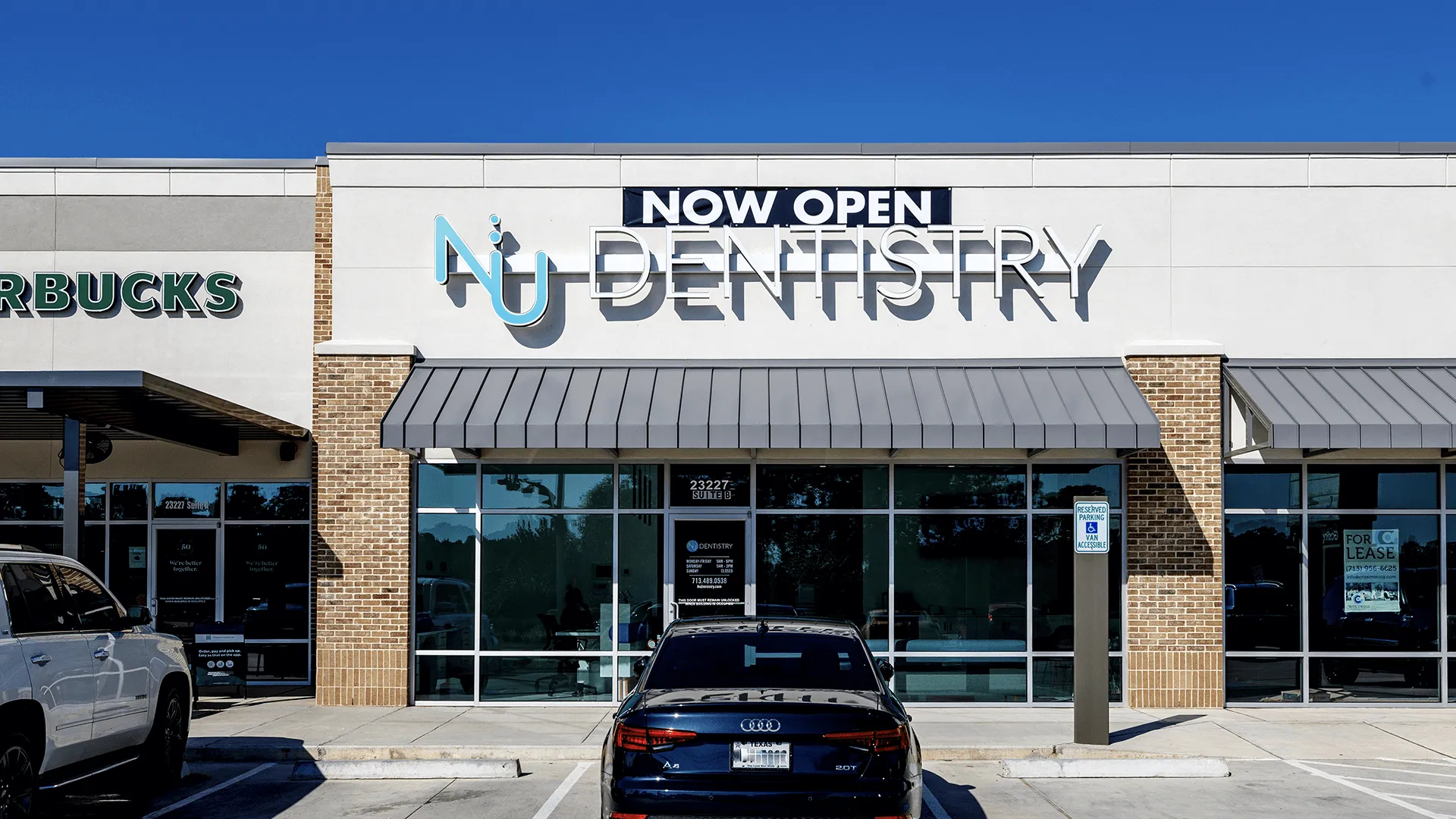
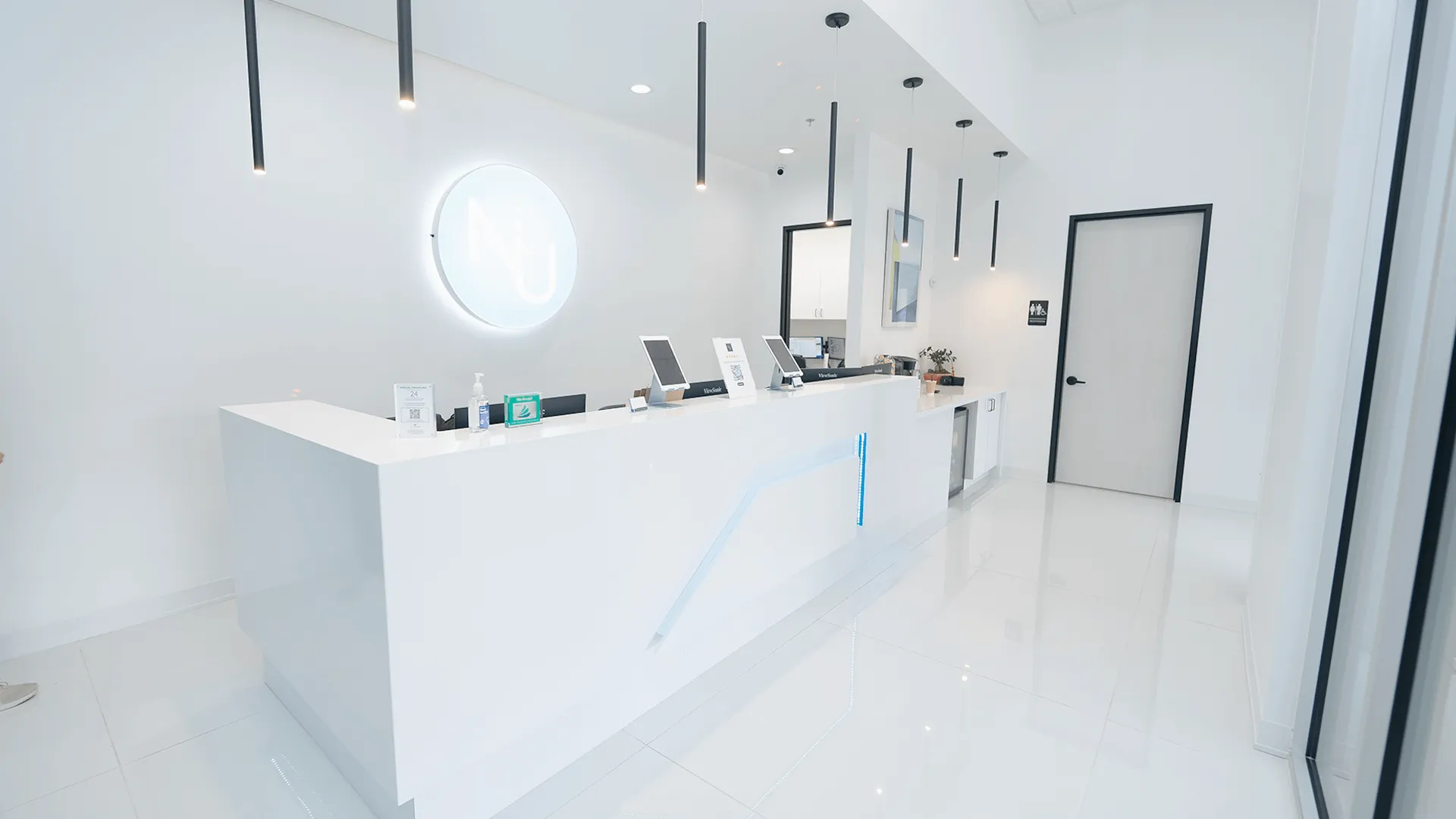
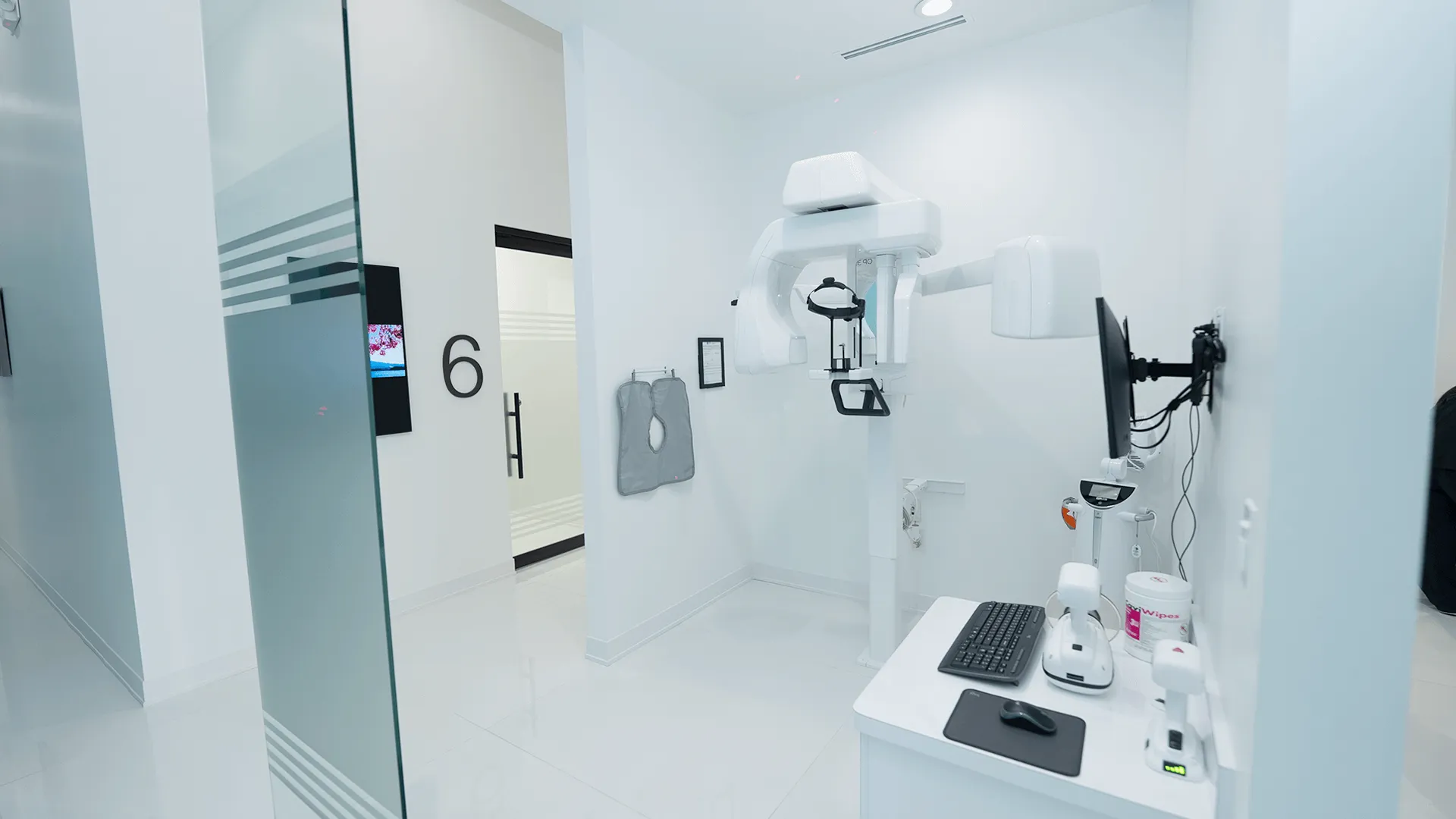
SEE WHAT A VISIT TO OUR MODERN, STATE-OF-THE-ART DENTIST OFFICE IS LIKE



Monday 9am - 6pm
Wednesday 9am - 6pm
Friday 9am - 6pm
Saturday 9am - 3pm
8940 Barker Cypress Rd. Cypress, TX 77433
3201 N. Shepherd Dr. Suite 113, Houston, TX 77018
8145 Highway 6, Building B #200, Missouri City, TX 77459
11115 W Grand Parkway S, Suite 140, Richmond, TX 77407
23227 Gosling Rd. Suite B, Spring, TX 77389
5706 San Felipe St. Ste B-300, Houston, TX 77057
// PATIENT TESTIMONIALS Cypress, TX
CHECK OUT WHAT OUR PATIENTS ARE SAYING IN CYPRESS, TX


// CARING DENTISTS Cypress, TX
OUR SOCIALS
FOLLOW US ON THESE SOCIAL MEDIA PLATFORMS