
Braces vs. Invisalign: Which Is Actually Better for Complex Bites?
Are braces or Invisalign better for complex bites? Compare clear aligners and traditional braces to find your best fit. Book a consultation in Cypress today!
Read More

Cosmetic Dentistry, Teeth Straightening
Some patients start their orthodontic journey with the best intentions, clear aligners, no wires, no brackets, just a subtle path to a straighter smile. But sometimes, expectations don’t quite line up with reality. Maybe the trays aren’t moving teeth fast enough. Maybe you’ve forgotten them one too many times. Or maybe your case just needs a little more push than aligners can offer.
That’s when braces step in. Not as a punishment, but as a plan B that’s often more like Plan A for complex cases. Switching from Invisalign to braces isn’t unusual, and it doesn’t mean you’ve failed. It just means your smile might need a different type of support to reach the finish line.
At Nu Dentistry Cypress, we’ve helped patients through all kinds of orthodontic pivots, and switching to braces is one we see more often than people think. In this blog, we’ll walk through what that switch looks like and what you should expect.
Invisalign is a great option for many people. But it’s not a one-size-fits-all solution. Despite the hype around clear aligners, they aren’t always the most effective option for every case. Here's why some patients end up making the switch:
1. Complex tooth movements need more force:
While Invisalign has made great strides in technology, there are still certain movements that aligners can’t handle well, like significant tooth rotation or large gaps. Braces offer more control in these cases. The brackets and wires can apply more directed pressure, which is needed for more complex alignment needs.
2. Patient compliance plays a big role:
Let’s be honest. If you don’t wear your aligners for at least 20 to 22 hours a day, they simply won’t work as planned. Life gets busy, trays get left out during meals, and before you know it, your progress slows or stalls entirely. With braces, that’s not an issue. They’re on 24/7, which means treatment stays on track whether you’re thinking about it or not.
3. Mid-treatment reassessment:
Sometimes, everything starts off fine with Invisalign. But as teeth begin to shift, your dentist might notice that they’re not moving in the direction or speed expected. A mid-treatment scan might reveal that braces would now be a better path to reach the desired outcome. That’s not a setback; it’s a smart, proactive decision to ensure success.
4. Aligners can’t correct bite issues in all cases:
Aligners are great for crowding, spacing, and mild to moderate alignment issues. But for patients with more severe overbites, underbites, or crossbites, braces tend to be more reliable. They can also incorporate things like rubber bands or other add-ons that improve bite correction.
5. Treatment goals evolve:
Sometimes, the goal at the start of treatment shifts. You might decide you want more than just straighter teeth; you want to improve your bite or address jaw alignment. Or maybe your dentist notices changes that weren’t obvious during the initial consultation. In these cases, braces become the more efficient and predictable option.
The good news? It’s not as difficult or dramatic as you might think. Switching mid-treatment is relatively straightforward in most cases, especially when your care is being monitored closely.
1. Initial consultation and re-evaluation:
Your dentist will start by examining your current tooth position and progress. This may involve new X-rays or digital scans to map out how far you've come and how far you still need to go. Based on this, they’ll recommend whether switching is the right move and what your next steps would look like.
2. Discontinuing aligners and prepping for braces:
Once the decision is made, you’ll stop wearing the aligners. Your dentist may schedule a short break between treatments, depending on how your gums and teeth are responding. From there, brackets and wires are placed, usually in one appointment. It may feel like a big leap, but most patients adjust quickly.
3. Cost and insurance considerations:
Cost can be a concern, especially if you've already paid for Invisalign. Some practices offer credit toward your new treatment, especially if you're continuing care with the same provider. If you’re using insurance, check to see how much of the new treatment it covers and whether any pre-authorizations are needed.
4. Expect some initial discomfort:
Any change in orthodontic treatment is accompanied by an adjustment period. Braces can feel unfamiliar at first, especially if you’ve been used to removable trays. You might notice some soreness, rubbing against your cheeks, or food getting stuck. These are normal and temporary issues. Your dental team will give you tips to manage them and make the transition easier.
5. Treatment timeline may shift:
Depending on how far you’d progressed with Invisalign, your timeline with braces might be shorter or longer. Your dentist will give you a revised estimate. In many cases, switching to braces can actually speed up progress because they offer more control.
It can, but not always in the way people expect.
1. The goal is still the same: a healthy, beautiful smile:
Switching tools doesn’t mean the goal changes. In fact, changing the approach mid-way can help ensure that your final results are exactly what you want. Your dentist will map out a new treatment plan with the end result in mind—straight teeth, a proper bite, and lasting results.
2. It may extend or shorten your timeline:
This depends entirely on your unique case. If your teeth weren’t moving efficiently with aligners, braces might help speed things up. On the other hand, if your treatment was nearly done with Invisalign, switching to braces might only add a few months. Your dentist will talk to you about realistic expectations.
3. Retainers are still part of the plan:
No matter how you get there, Invisalign, braces, or a combination of both, you’ll still need a retainer at the end. This helps lock in your results and prevents teeth from drifting. Your dentist will recommend the right type of retainer for you based on your treatment path.
4. Switching doesn’t lower your chance of success:
If anything, it increases it. Choosing braces when Invisalign isn’t working well ensures that your treatment stays effective and efficient. It’s a sign of careful monitoring and smart decision-making, not failure.
5. You’ll still love the final look:
That’s what matters most. Whether you started with clear aligners or end with metal brackets, the goal is a smile that makes you feel confident. And with the right provider guiding your treatment, you can absolutely get there—even with a few changes along the way.
If you're thinking of switching or your dentist has suggested it, don't worry. At Nu Dentistry Cypress, we’ll walk you through every option. Your consultation will include:
We believe in personal, judgment-free care. If Invisalign isn’t doing the trick, we’ll make sure you feel confident about what comes next.
If you’re considering switching from Invisalign to braces or just want a second opinion, we’re here to help. Schedule an appointment with Nu Dentistry Cypress today, and let’s talk about the best path for your smile. No pressure, just personalized care that works for you.


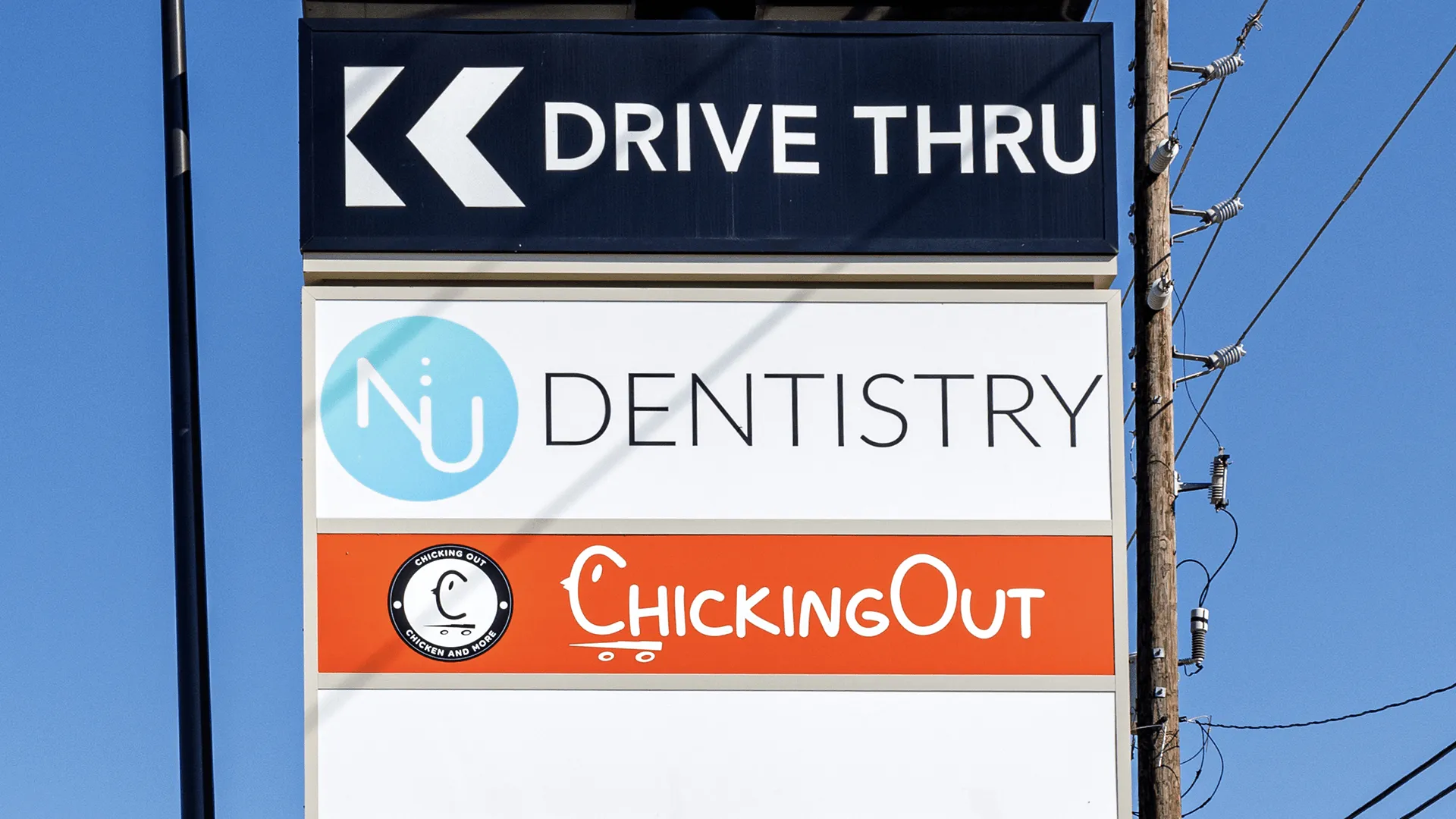
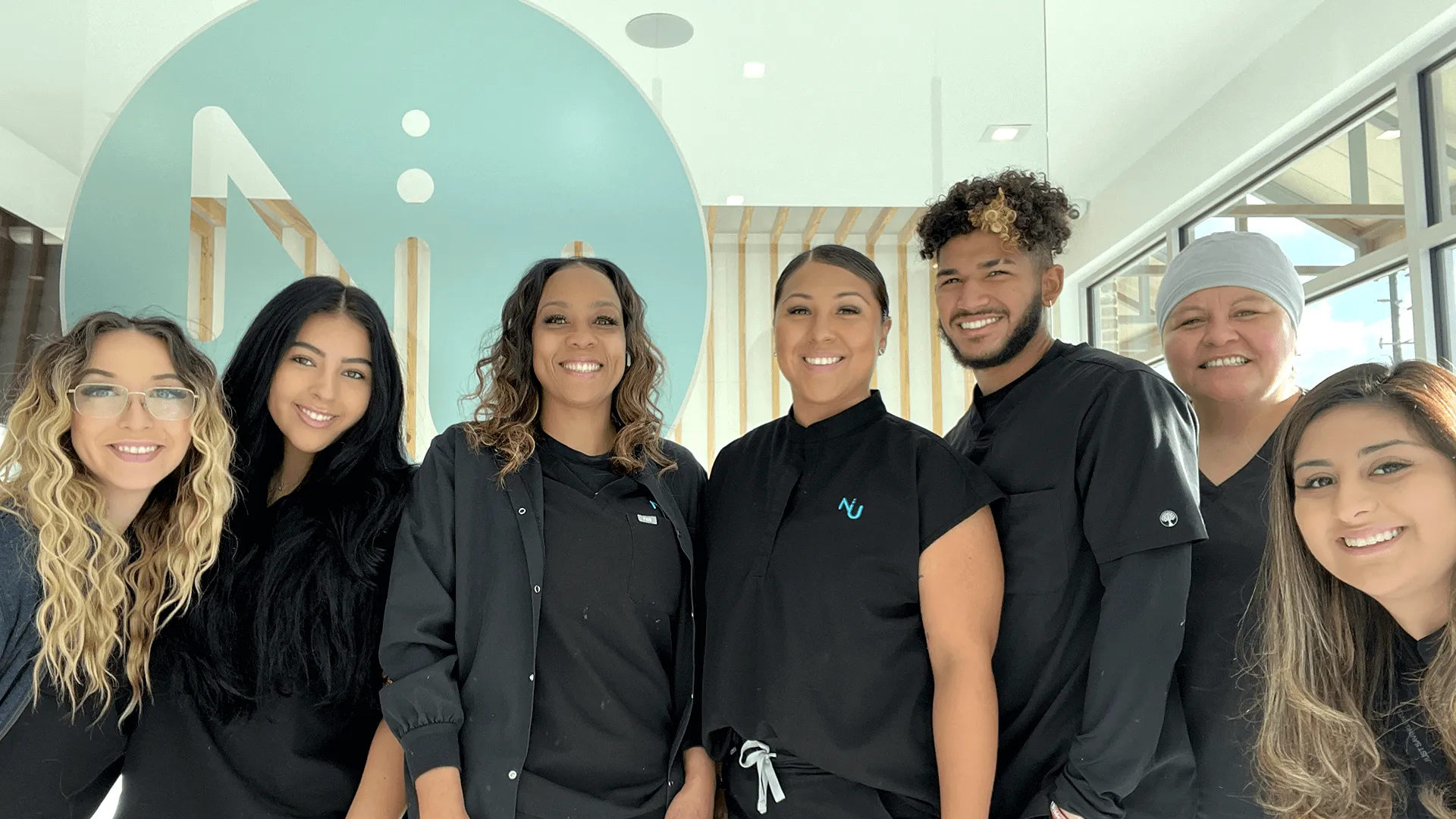
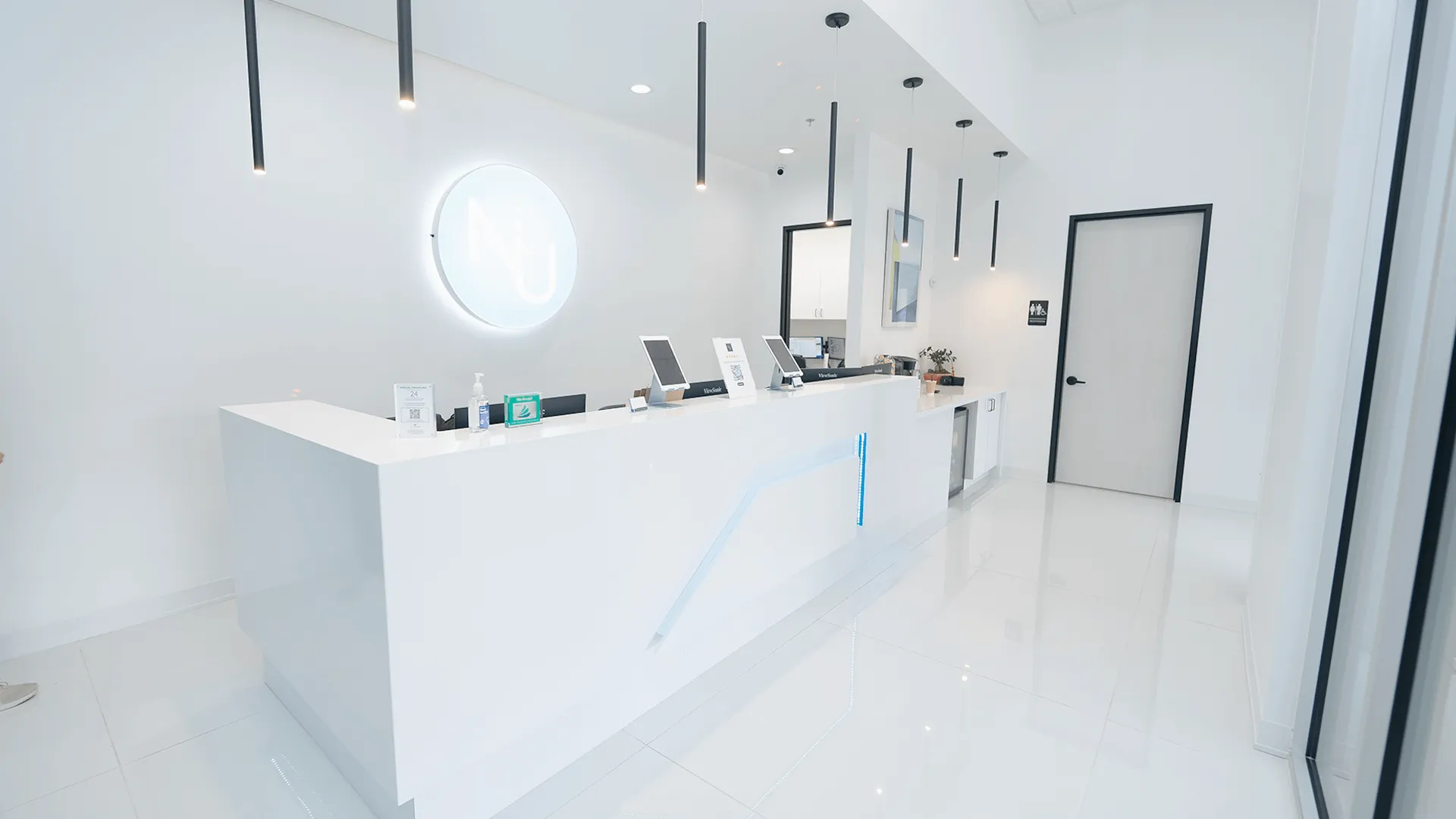
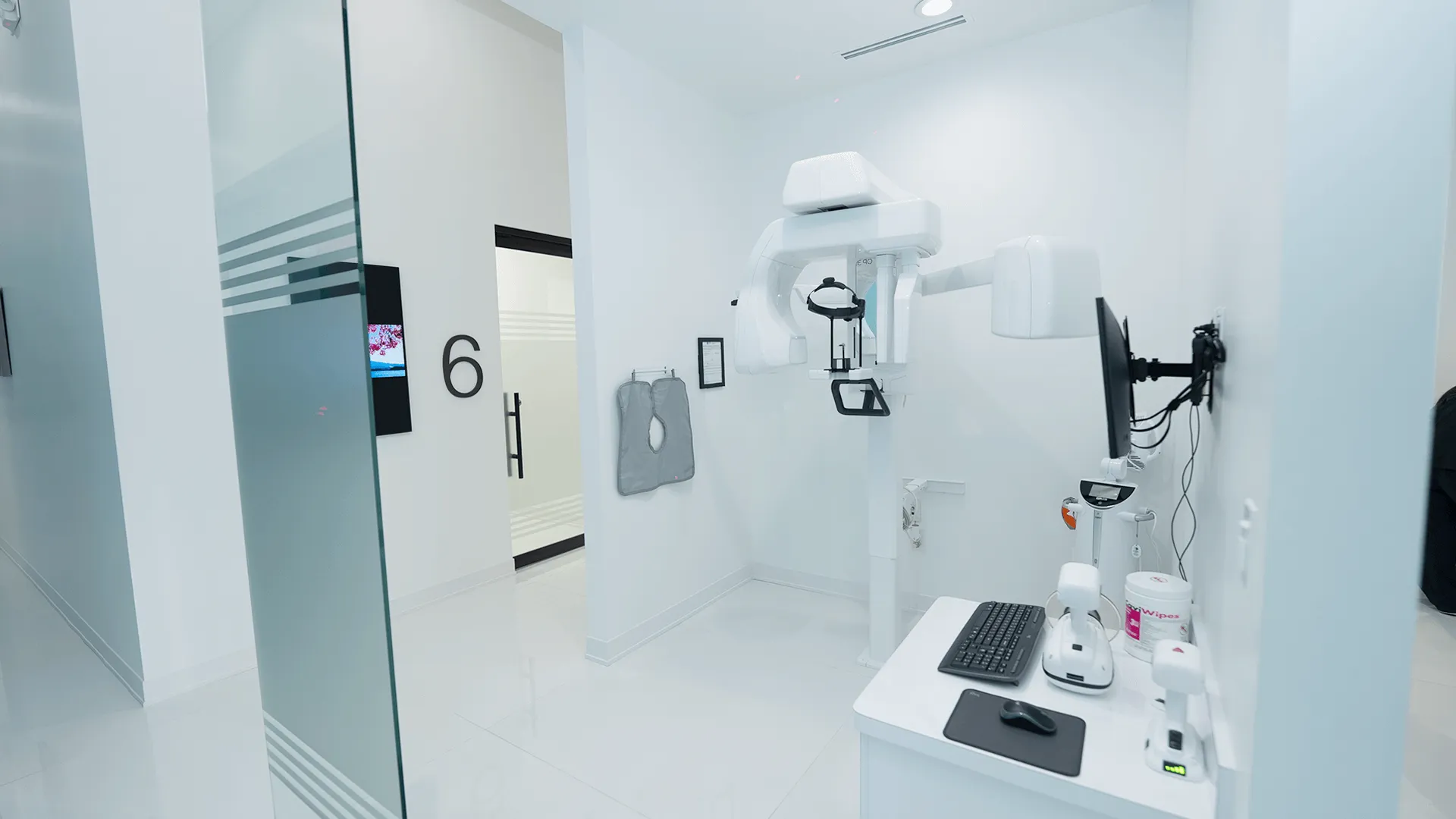
// NU DENTISTRY IN Cypress, Texas
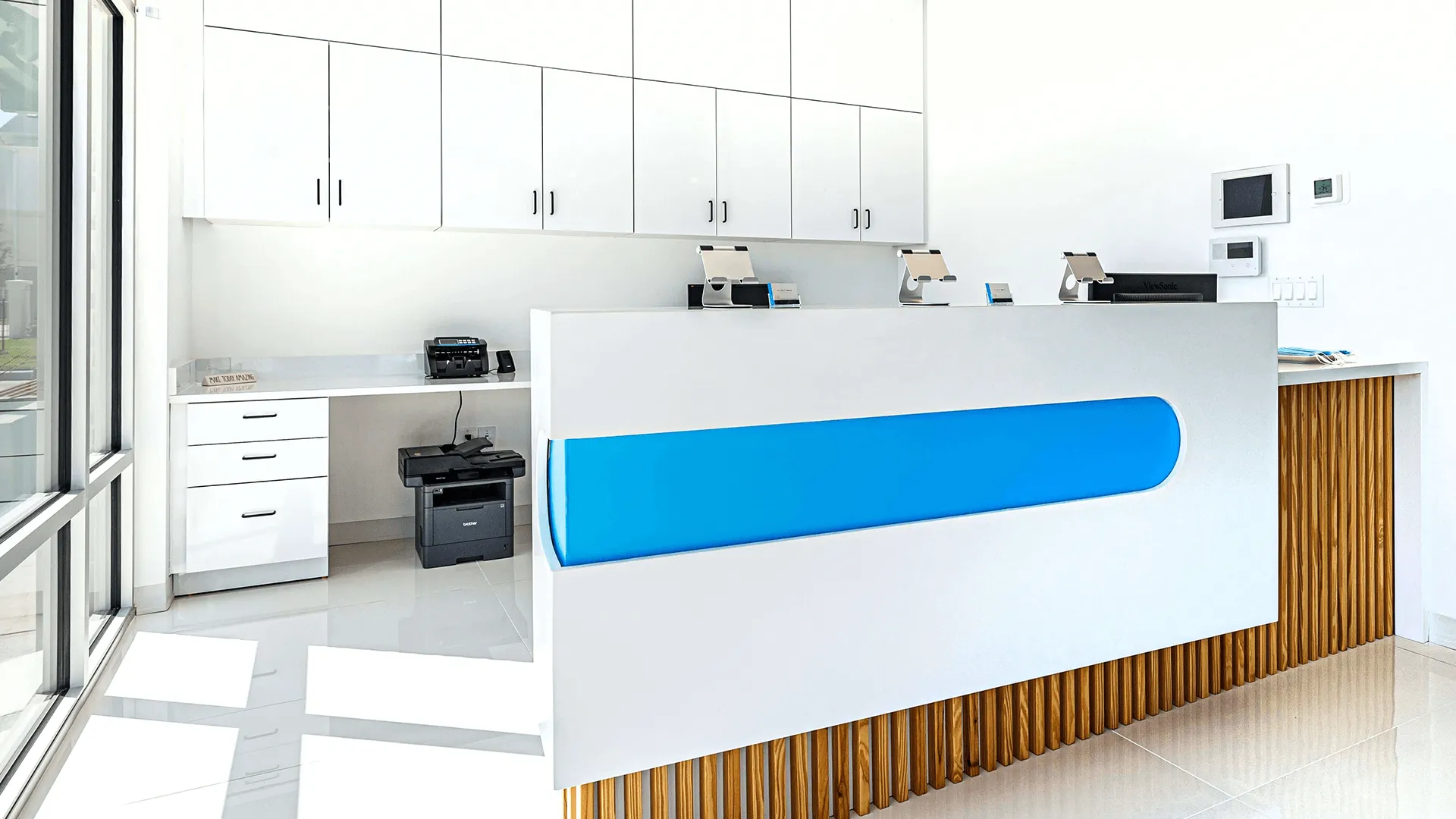
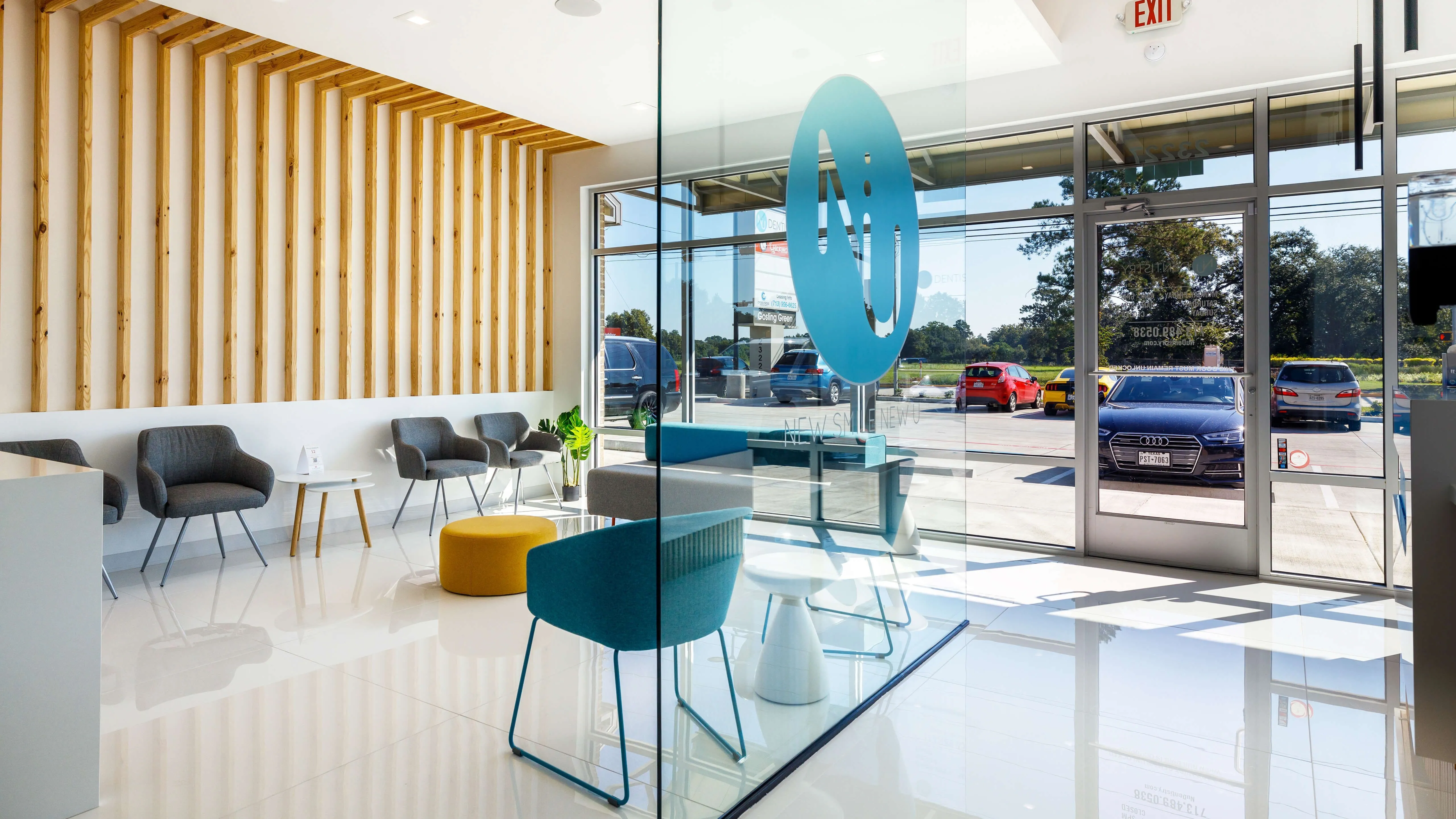
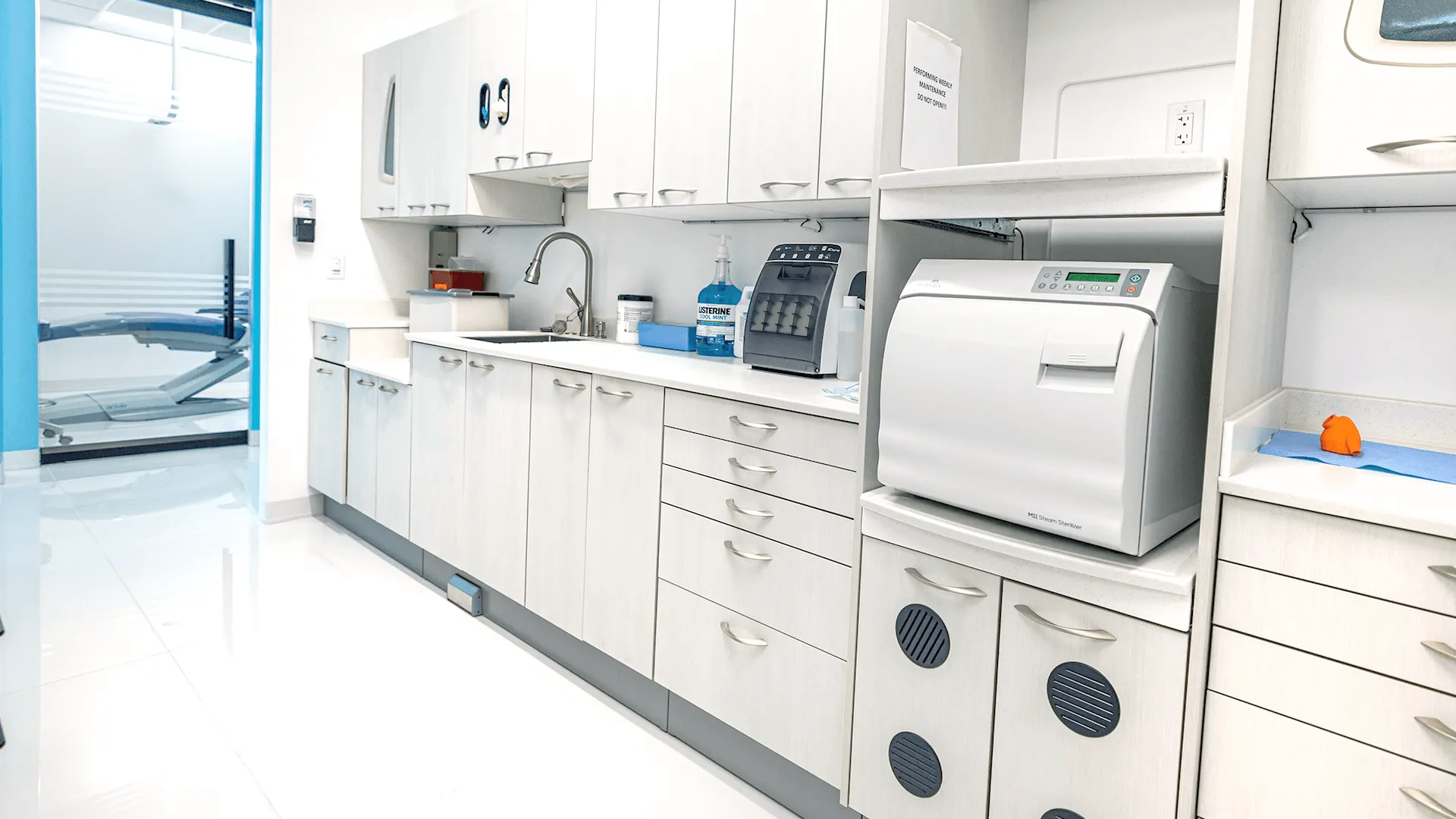
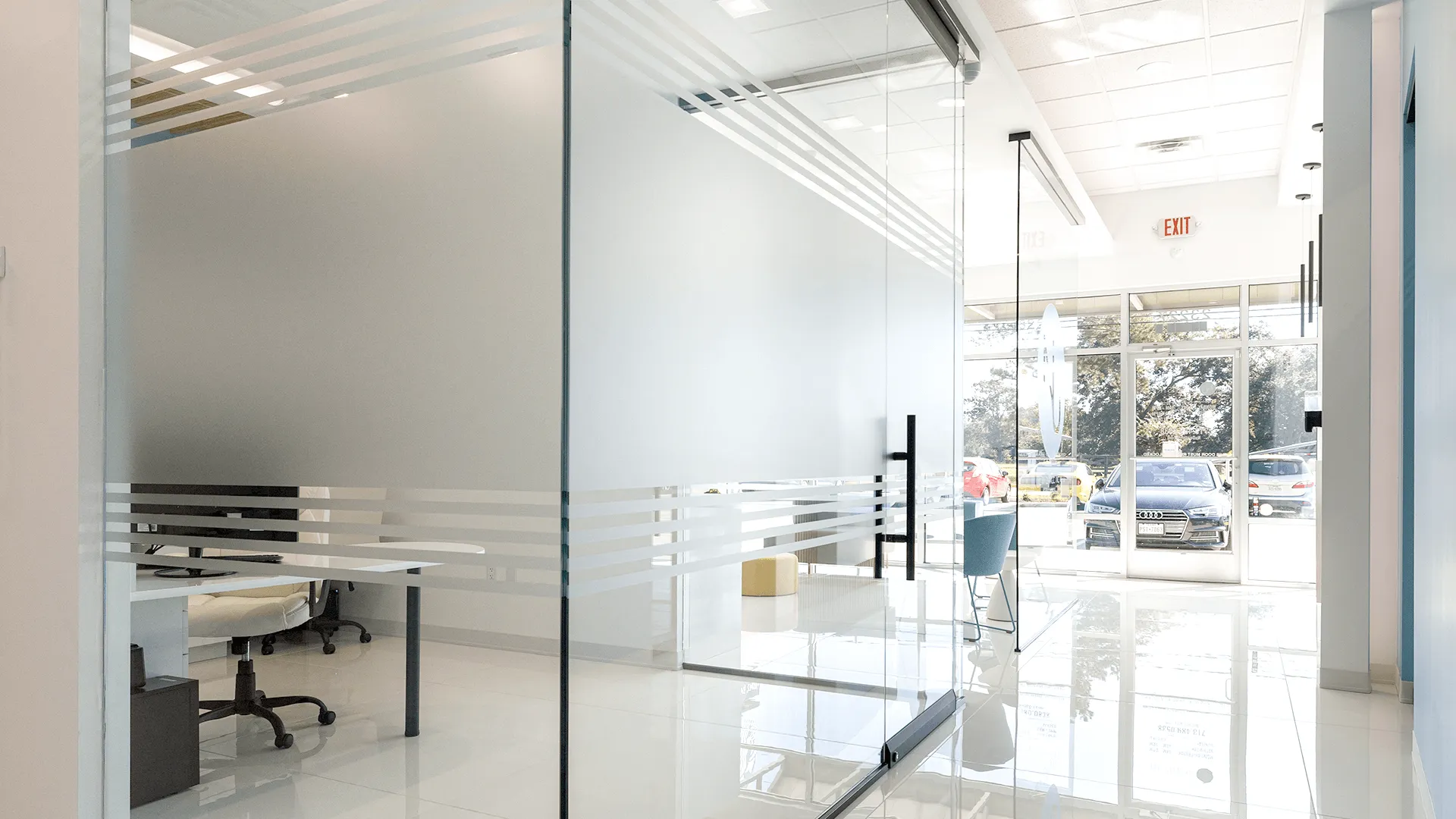
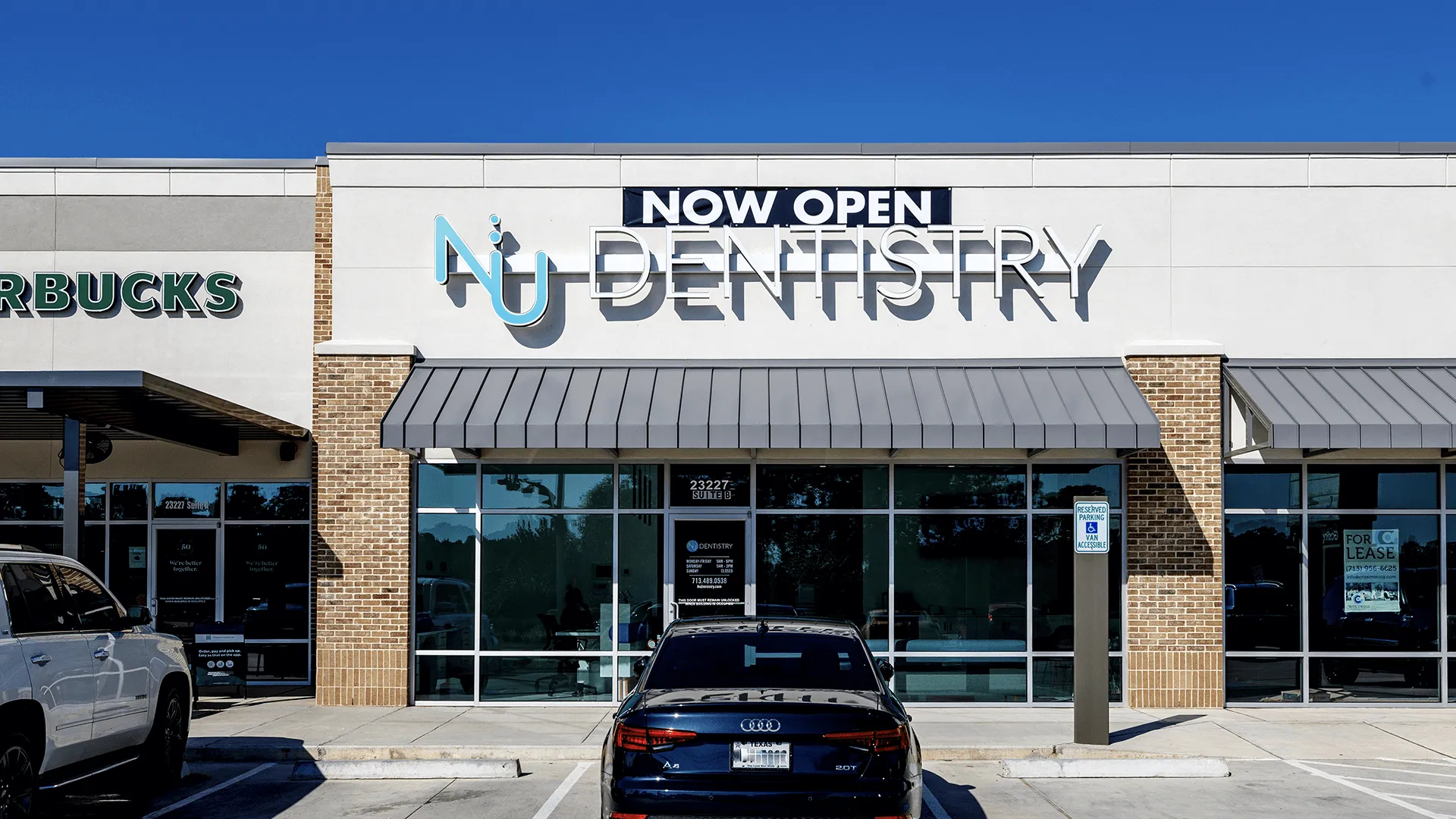
SEE WHAT A VISIT TO OUR MODERN, STATE-OF-THE-ART DENTIST OFFICE IS LIKE






Monday 9am - 6pm
Wednesday 9am - 6pm
Friday 9am - 6pm
Saturday 9am - 3pm
8940 Barker Cypress Rd. Cypress, TX 77433
3201 N. Shepherd Dr. Suite 113, Houston, TX 77018
8145 Highway 6, Building B #200, Missouri City, TX 77459
11115 W Grand Parkway S, Suite 140, Richmond, TX 77407
23227 Gosling Rd. Suite B, Spring, TX 77389
5706 San Felipe St. Ste B-300, Houston, TX 77057
// PATIENT TESTIMONIALS Cypress, TX
CHECK OUT WHAT OUR PATIENTS ARE SAYING IN CYPRESS, TX


// CARING DENTISTS Cypress, TX
OUR SOCIALS
FOLLOW US ON THESE SOCIAL MEDIA PLATFORMS