
Braces vs. Invisalign: Which Is Actually Better for Complex Bites?
Are braces or Invisalign better for complex bites? Compare clear aligners and traditional braces to find your best fit. Book a consultation in Cypress today!
Read More

Specialty Dentistry
Many people feel apprehensive when it comes to dental visits. The sounds, sensations, and sometimes the mere thought of a dental procedure can be unnerving. However, modern dentistry has evolved significantly, particularly in managing patient comfort and anxiety. This blog delves into the realm of dental sedation, a solution that has revolutionized dental care for anxious patients.
Dental anxiety is far more common than many realize, affecting a significant portion of the population. The fear of pain, negative past experiences, or the sounds and smells associated with dental offices can trigger this anxiety. Fortunately, with advancements in sedation dentistry, these fears can be significantly alleviated, making dental visits a more manageable and less daunting experience.
Sedation dentistry has emerged as a pivotal solution in addressing dental anxiety. By using various forms of medication, it helps patients achieve a state of relaxation, making dental procedures less stressful and more comfortable. This approach not only benefits the patient by reducing anxiety but also allows dentists to perform procedures more efficiently.
Types of Dental Sedation: Tailoring to Patient Needs
The choice of sedation depends on the level of the patient's anxiety, the nature of the dental procedure, and the patient's medical history. Here's a detailed look at the options:
Nitrous Oxide (Laughing Gas): A popular choice for its safety and effectiveness, nitrous oxide is a mild sedative that's inhaled through a mask. It induces a sense of well-being and relaxation. The effects wear off quickly after the mask is removed, allowing patients to drive themselves home after the procedure.
Oral Sedatives: These medications are taken orally about an hour before the dental procedure. They come in pill form and are ideal for patients with moderate anxiety. While oral sedatives don't put you to sleep, they dull your senses, meaning you'll be less aware of the procedure and unlikely to remember much of it.
IV Sedation: Administered intravenously, this type of sedation provides a deeper level of sedation compared to nitrous oxide and oral sedatives. It's ideal for more invasive procedures or for patients with severe dental anxiety. The level of sedation can be continuously adjusted throughout the procedure, ensuring maximum comfort.
It's important to note that not all sedation methods are suitable for everyone. Factors such as a patient's health history, the intensity of their anxiety, and the specifics of the dental procedure play a crucial role in determining the most appropriate form of sedation. Prior to any treatment, a thorough consultation with the dentist is necessary to choose the safest and most effective sedation method.
The psychological impact of sedation dentistry cannot be overstated. By mitigating the fear and anxiety associated with dental procedures, patients are more likely to seek regular dental care, leading to better oral health overall. The reassurance of a pain-free and stress-free experience can transform one's perception of dental visits, turning a once-dreaded appointment into a manageable and routine healthcare practice.
When dental procedures become more complex or when a patient's anxiety is particularly severe, dentists often turn to more profound forms of sedation. These are known as general anesthesia and deep sedation, commonly referred to as being "knocked out." These methods are designed to make extensive dental procedures not only bearable but entirely comfortable for the patient.
General Anesthesia: Total Unconsciousness for Maximum Comfort
General anesthesia is a comprehensive sedation technique used primarily for invasive dental procedures like wisdom tooth extractions, dental implant placements, or surgeries involving gum or jawbone correction. This form of sedation is administered either through inhalation or intravenously. Under general anesthesia, you will be in a state of total unconsciousness, completely unaware of the procedure as it happens. You won't feel any pain or discomfort and will have no memory of the procedure once you awaken. The use of general anesthesia is closely monitored by an anesthesiologist or a certified dental anesthetist to ensure your safety throughout the procedure.
Deep Sedation: A State of Profound Relaxation
Deep sedation is a step below general anesthesia. It's typically administered intravenously, allowing the dentist or anesthetist to precisely control the level of sedation. In this state, you will not be fully unconscious but rather in a deep state of relaxation. You will have minimal awareness of your surroundings and are unlikely to remember the details of the procedure. This option is ideal for patients who need a deeper level of relaxation than what is provided by oral sedatives or nitrous oxide but do not require full unconsciousness. It's also a preferred choice for patients with severe dental phobia or for those undergoing lengthy dental procedures.
Safety and Monitoring During Sedation
Both general anesthesia and deep sedation require thorough pre-procedure evaluations to ensure the safety and suitability of these sedation methods for each individual patient. During the procedure, your vital signs and overall physical state are closely monitored by experienced dental professionals. This constant monitoring ensures that the sedation is administered safely and effectively, providing a comfortable experience throughout the procedure.
Post-Procedure Care and Recovery
After a procedure involving general anesthesia or deep sedation, a recovery period is necessary. You will be monitored until the effects of the sedation diminish, and you're awake and responsive. It's important to arrange for someone to drive you home and stay with you for a few hours after the procedure, as the residual effects of the sedation may include drowsiness and impaired judgment.
Being sedated for dental work is often described as a dream-like state. With lighter sedation (nitrous oxide or oral sedatives), you might feel a sense of floating or drowsiness, but you'll still be aware of your surroundings. You're likely to remember snippets of the procedure.
Under general anesthesia or deep sedation, you won't have any memory of the procedure. It's similar to a deep sleep, and you'll wake up with little to no recollection of the dental work. Patients often report feeling like no time has passed at all.
Feeling anxious about dental visits is natural, but it shouldn't prevent you from receiving the care you need. Our dental office is equipped with the latest sedation options to ensure your comfort and peace of mind. Whether it's a routine cleaning or a more complex procedure, we're here to make your dental experience as stress-free as possible.
Ready to experience a new level of comfort in dental care? Schedule your appointment with us today and let us take the worry out of your next dental visit.


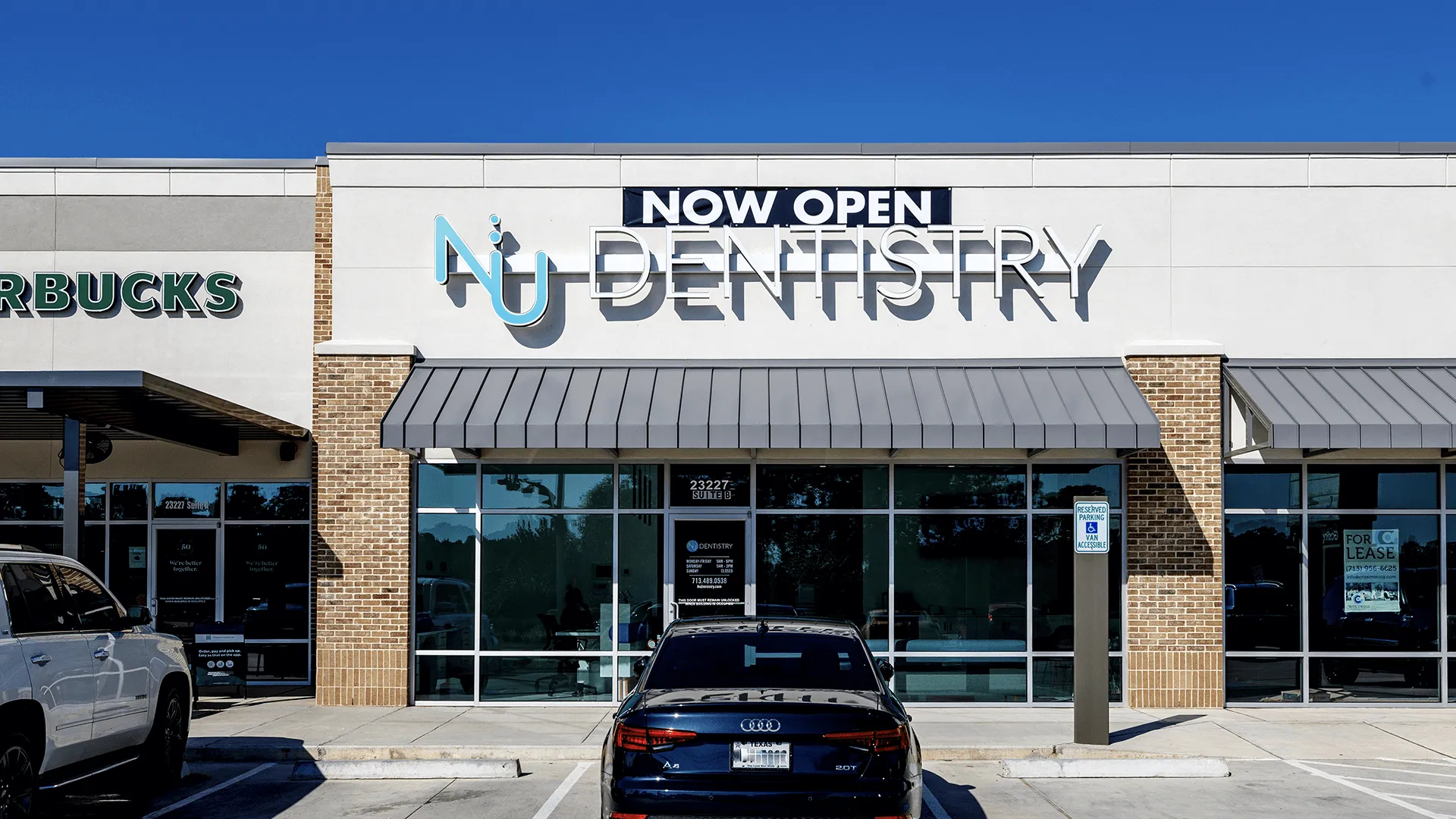
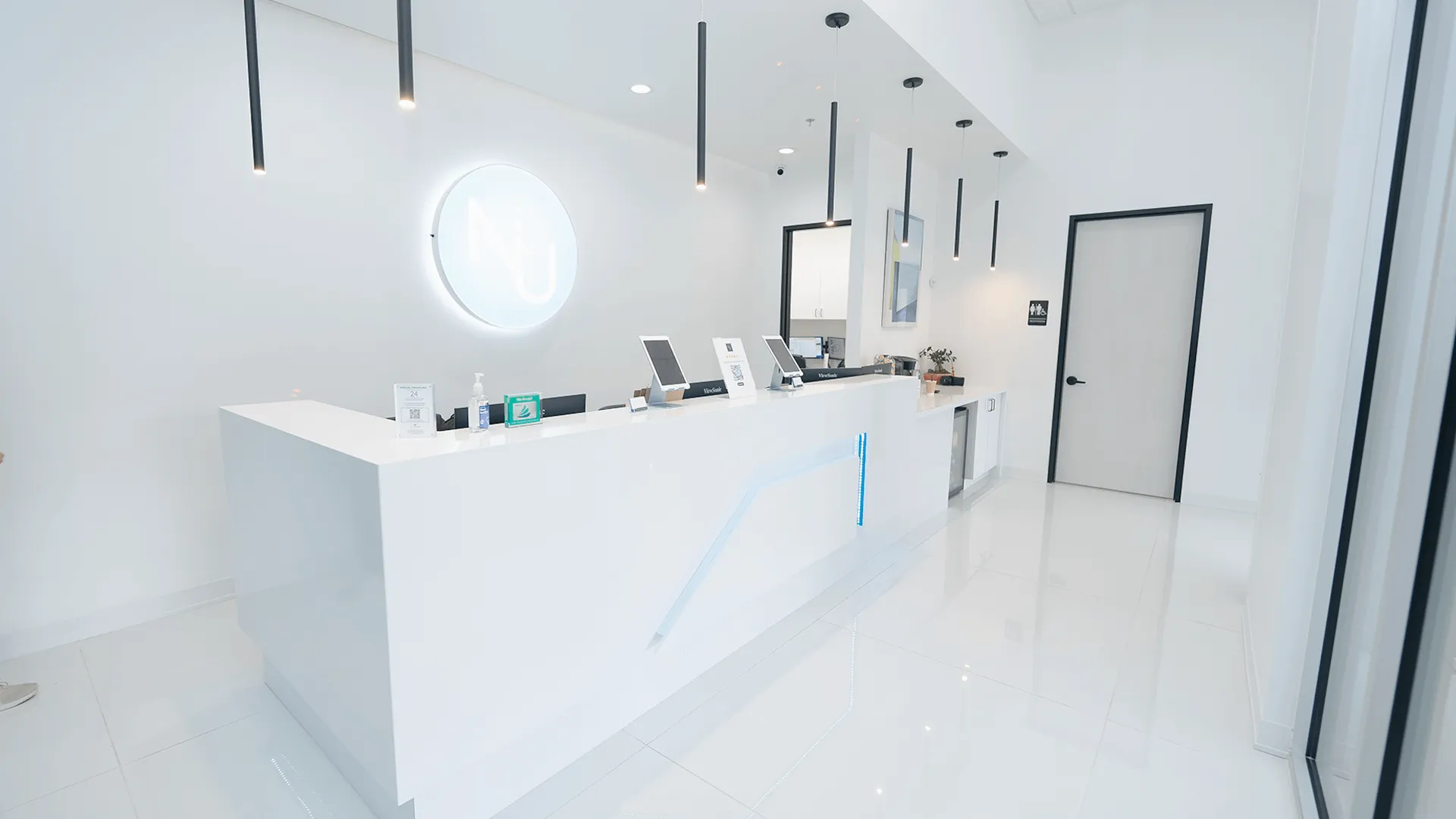
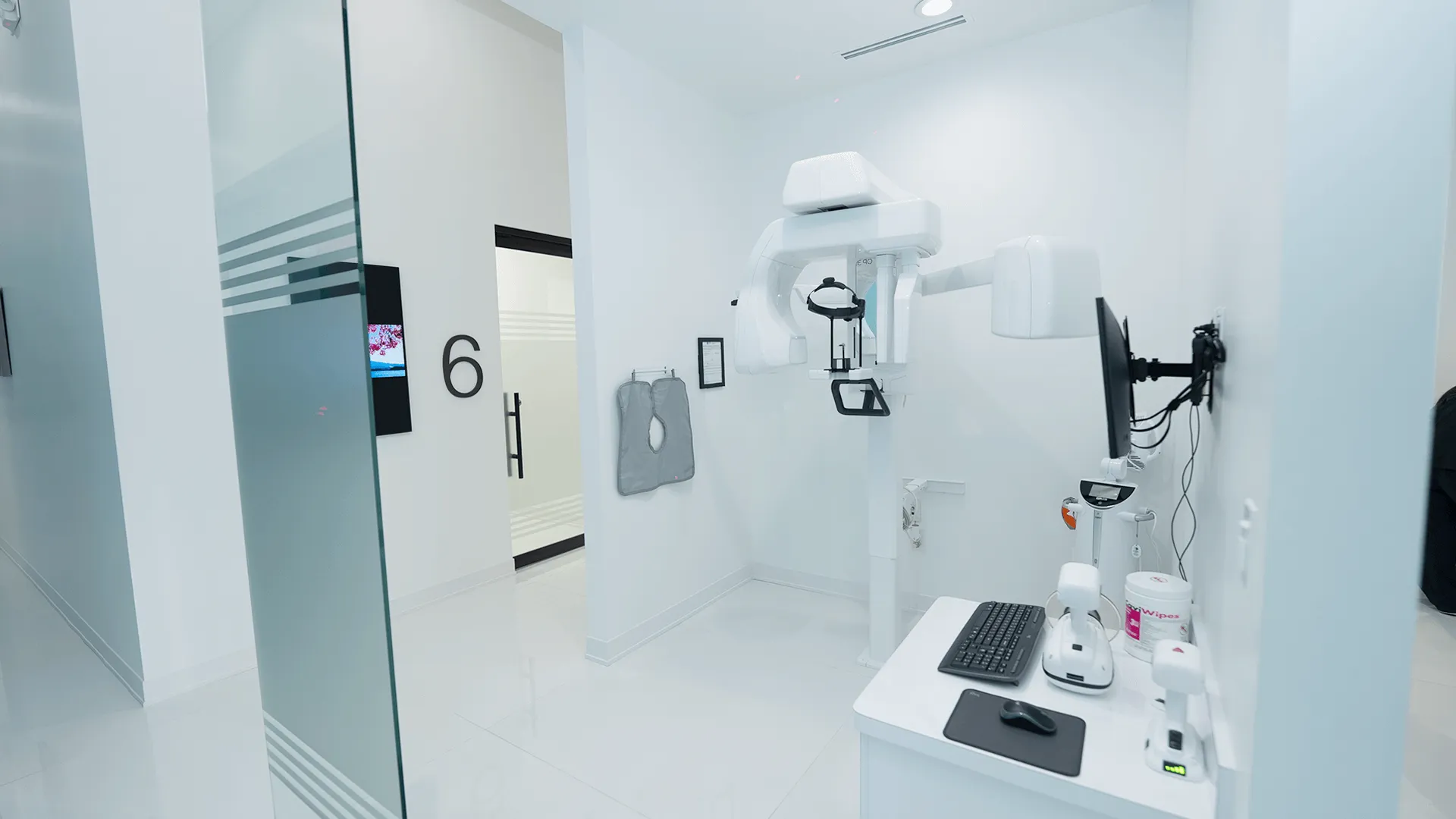
// NU DENTISTRY IN Cypress, Texas
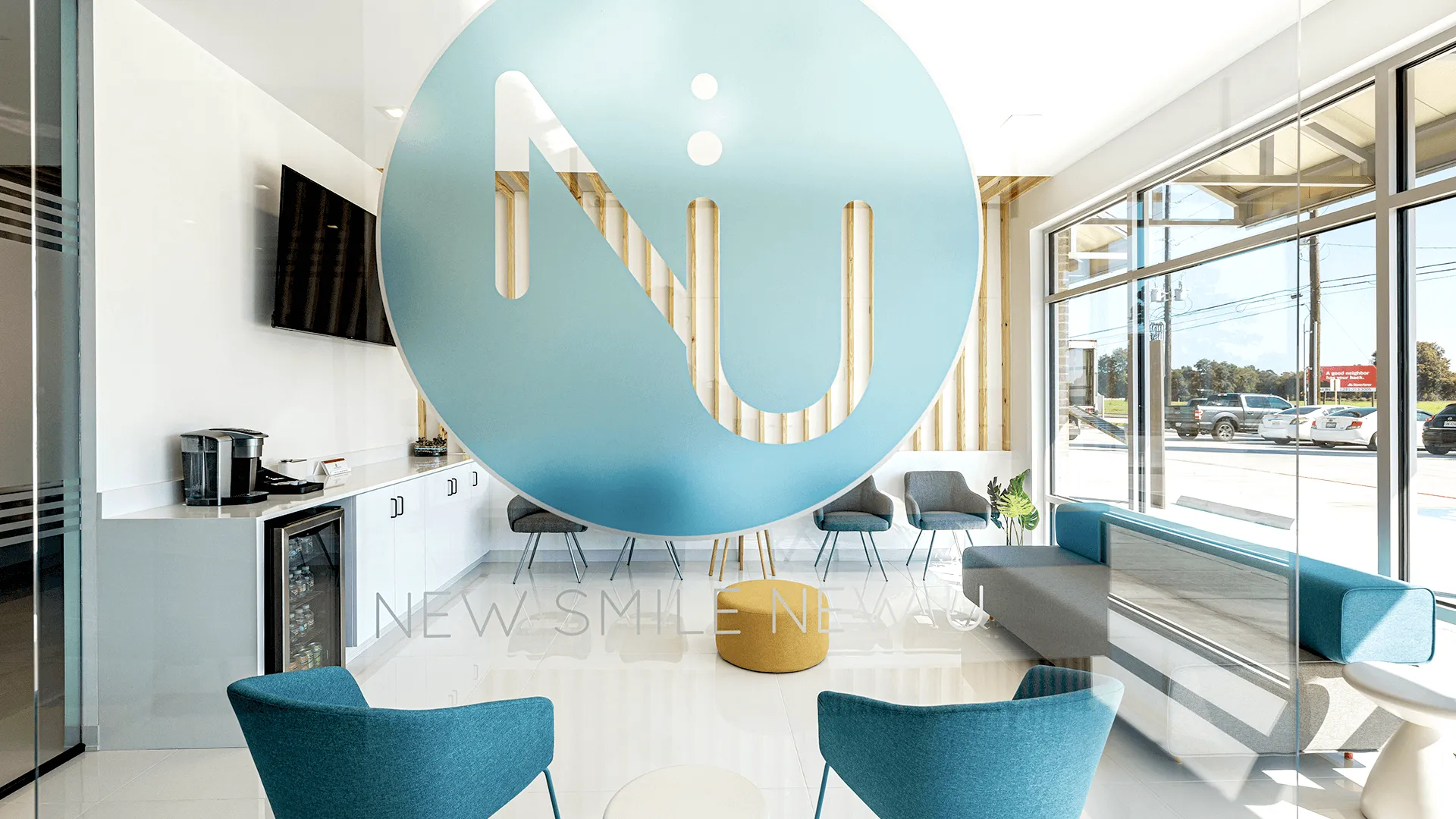
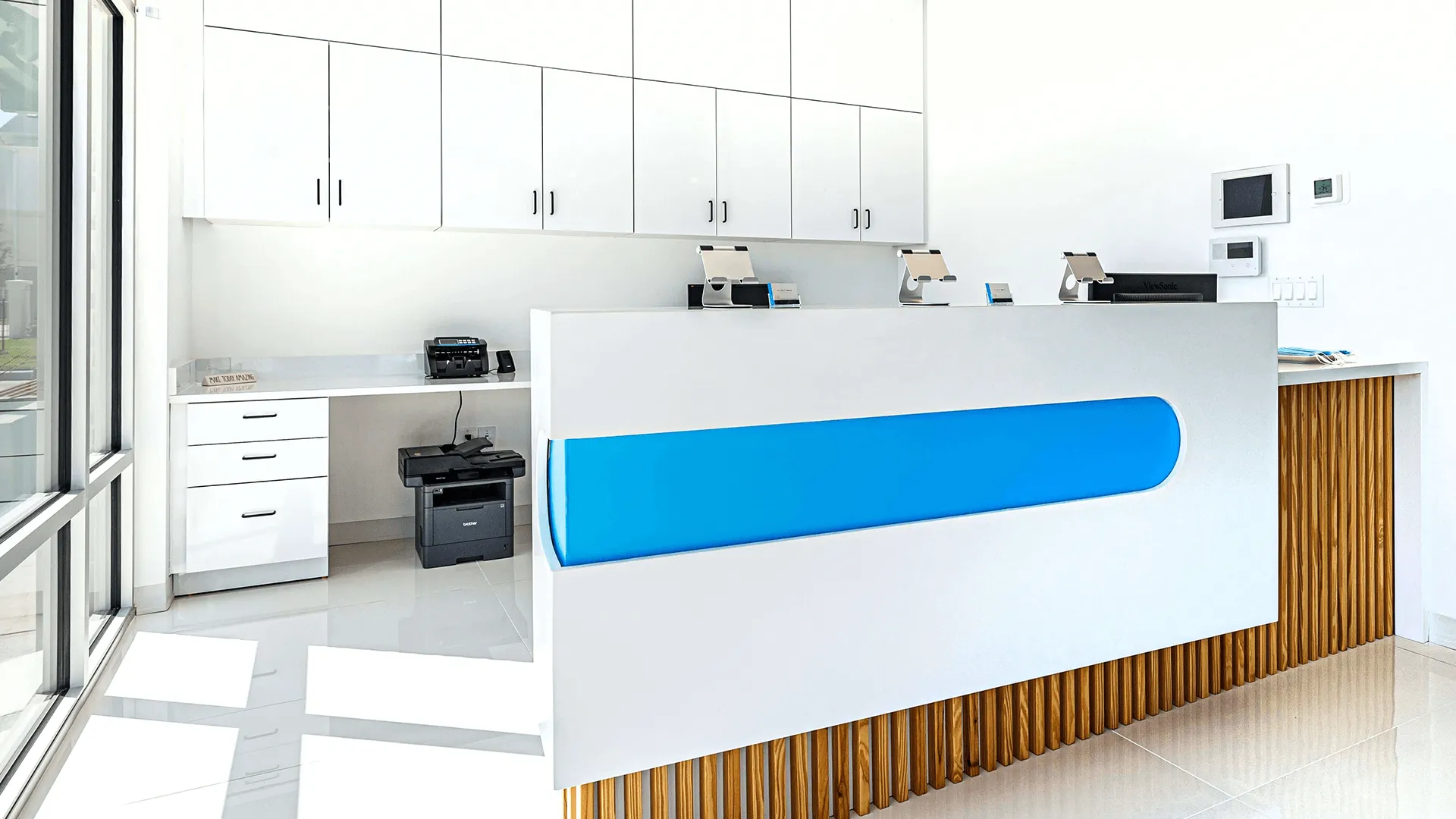
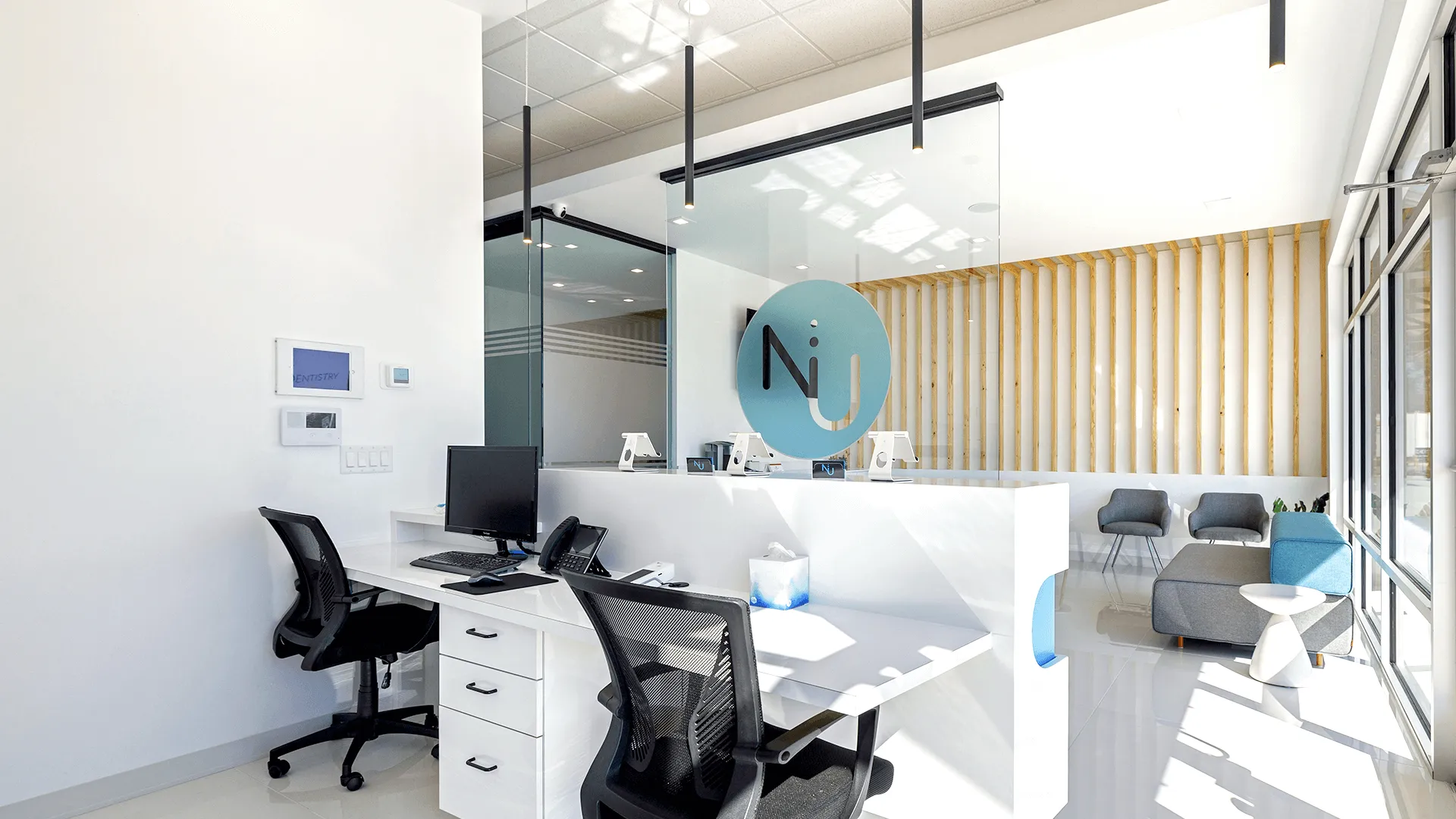
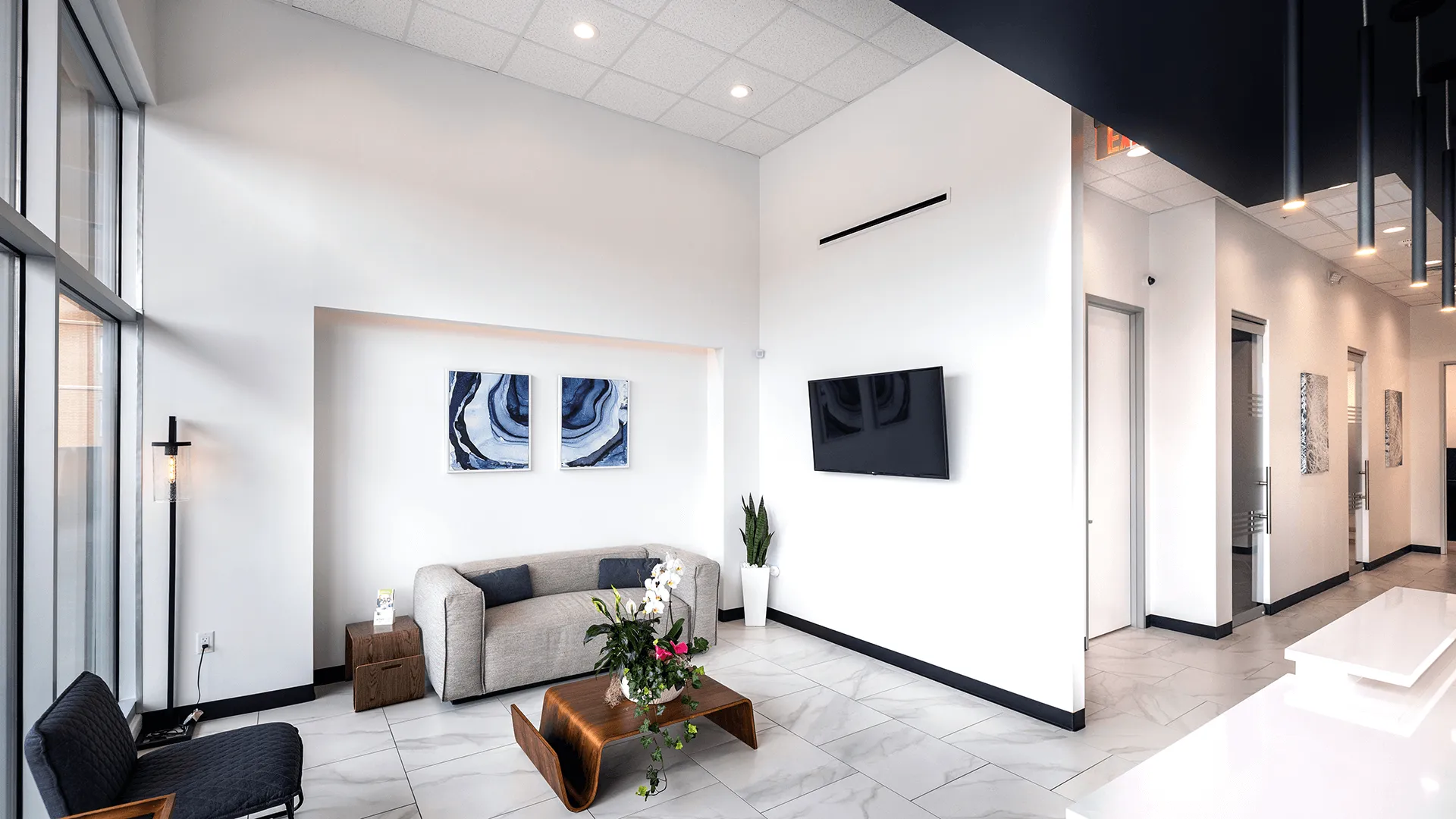
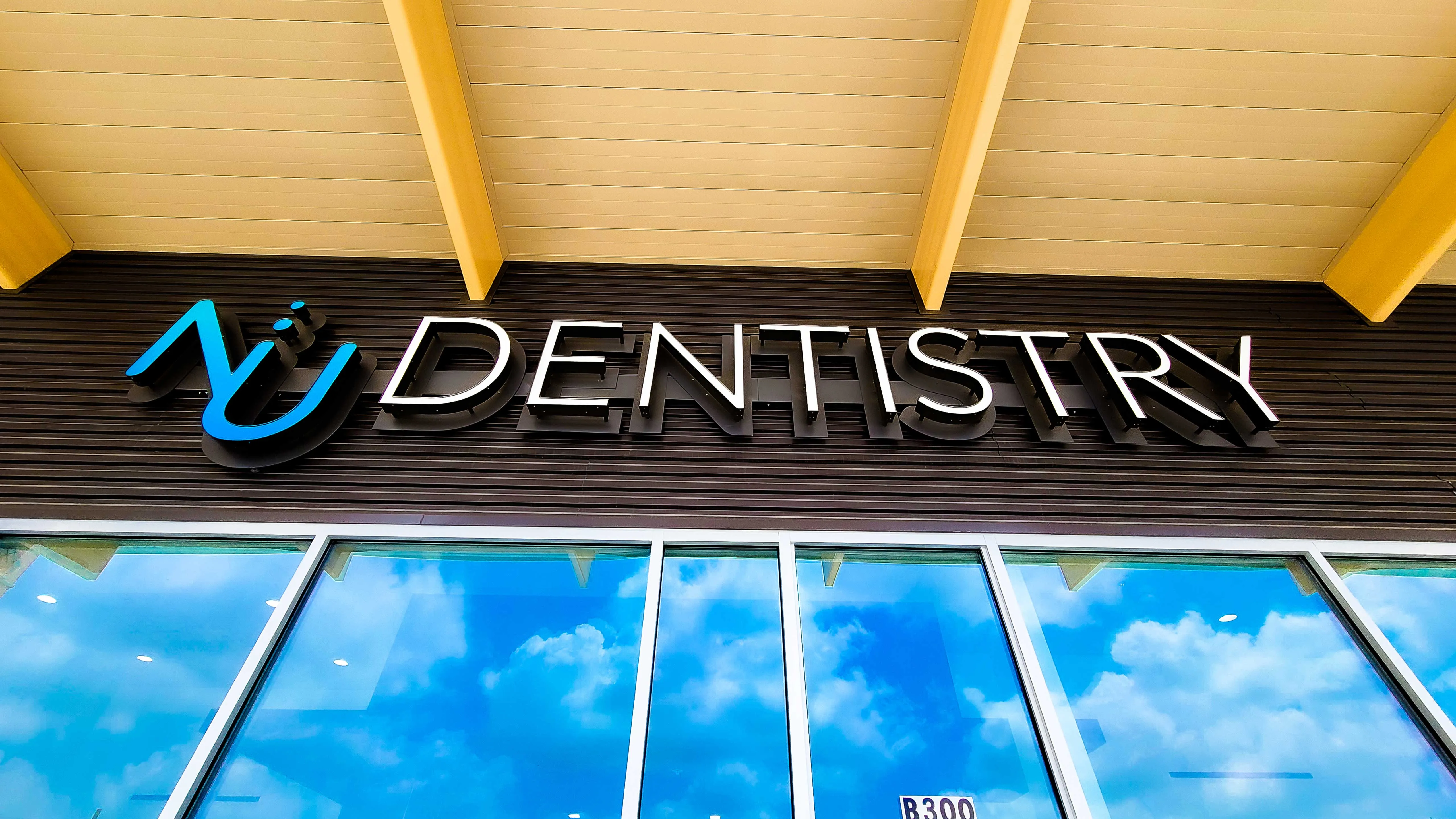
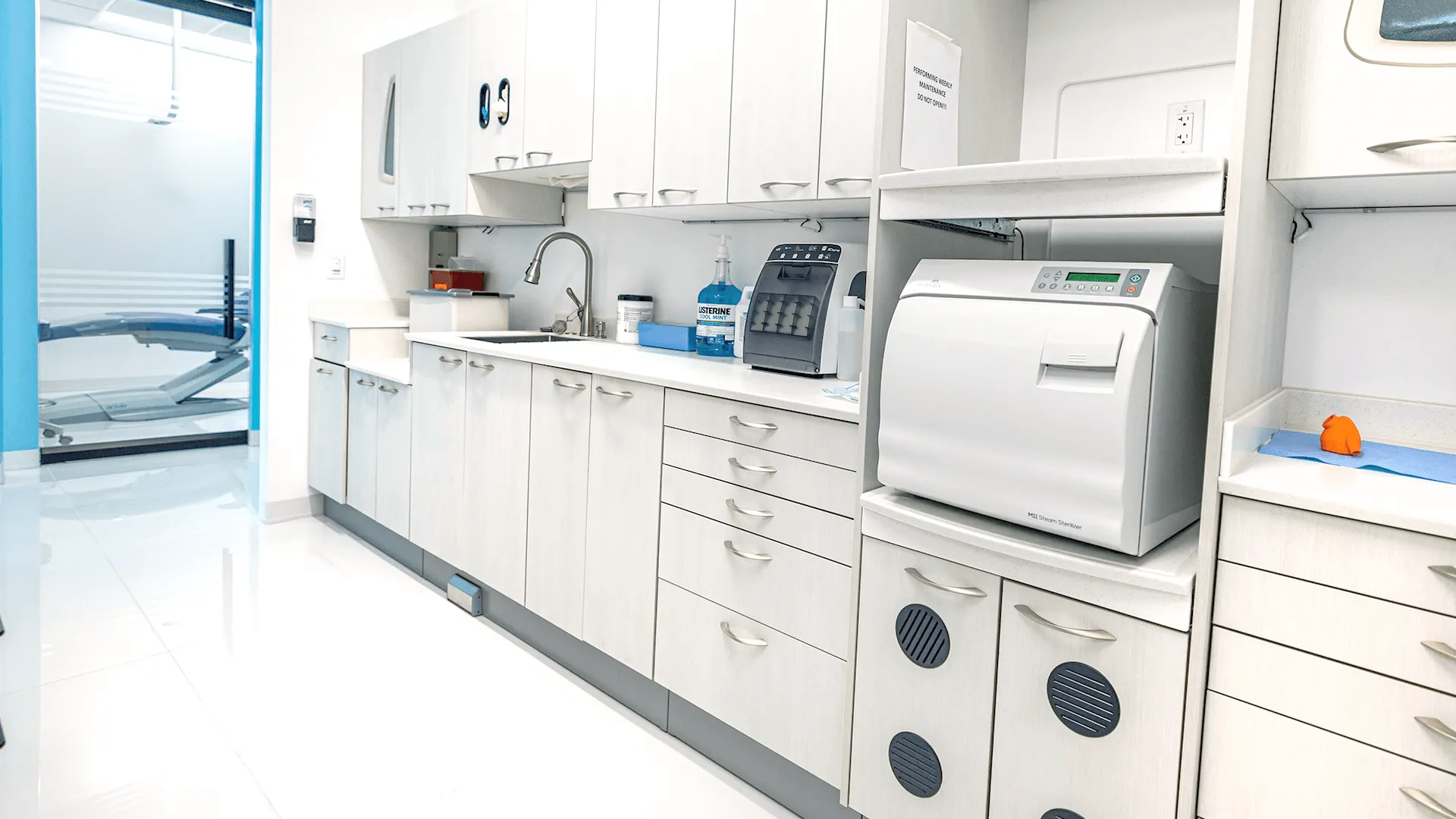
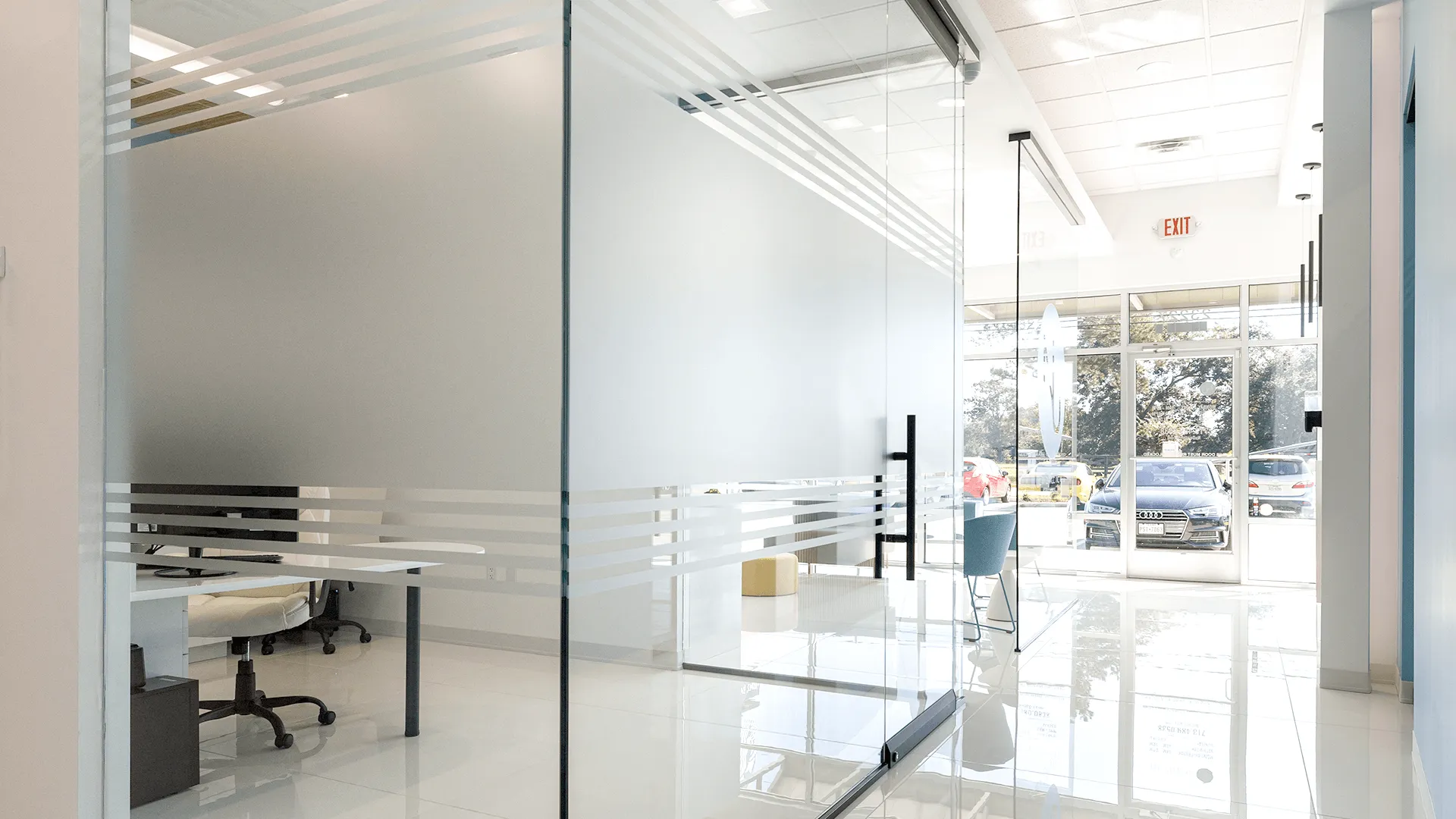
SEE WHAT A VISIT TO OUR MODERN, STATE-OF-THE-ART DENTIST OFFICE IS LIKE






Monday 9am - 6pm
Wednesday 9am - 6pm
Friday 9am - 6pm
Saturday 9am - 3pm
8940 Barker Cypress Rd. Cypress, TX 77433
3201 N. Shepherd Dr. Suite 113, Houston, TX 77018
8145 Highway 6, Building B #200, Missouri City, TX 77459
11115 W Grand Parkway S, Suite 140, Richmond, TX 77407
23227 Gosling Rd. Suite B, Spring, TX 77389
5706 San Felipe St. Ste B-300, Houston, TX 77057
// PATIENT TESTIMONIALS Cypress, TX
CHECK OUT WHAT OUR PATIENTS ARE SAYING IN CYPRESS, TX


// CARING DENTISTS Cypress, TX
OUR SOCIALS
FOLLOW US ON THESE SOCIAL MEDIA PLATFORMS