
Braces vs. Invisalign: Which Is Actually Better for Complex Bites?
Are braces or Invisalign better for complex bites? Compare clear aligners and traditional braces to find your best fit. Book a consultation in Cypress today!
Read More

Cosmetic Dentistry, Teeth Straightening
For Cypress-area patients, Invisalign is generally considered more comfortable than traditional metal braces and ceramic braces, but the comparison is more nuanced than most patients expect. Material science, bracket bulk, and the reality of Invisalign attachments all shape your daily experience in ways worth understanding before you commit.
Most people choose Invisalign expecting smooth plastic and zero irritation. That's largely true — while the aligners are in. The surprise comes at mealtimes.
For more complex tooth movements, dentists bond small composite resin bumps directly onto your teeth called Invisalign attachments, as explained by Healthline. These tooth-colored structures help the aligner grip and rotate teeth precisely. They're effective, but they have a texture.
When you remove your aligners to eat, those attachments are fully exposed. Without the smooth plastic tray acting as a buffer, the composite bumps press and drag against your inner cheeks and tongue with every bite. For some patients, this feels rougher than expected — more like a textured surface than the seamless experience they imagined.
Metal brackets share a similar issue, but there's a key difference: metal bracket edges are the primary irritant. With Invisalign, the aligner itself is comfortable, but the attachment friction during meals is the trade-off. A few practical ways to manage it:
Not every Invisalign patient needs attachments. Simpler cases often proceed without them. But if your treatment plan includes them, understanding this reality sets more accurate expectations.
Invisalign is made from a proprietary multi-layer polyurethane called SmartTrack. Most people assume all clear aligners are the same plastic. They aren't.
Budget direct-to-consumer aligners typically use rigid PETG plastic. That material delivers a sharp initial force spike on day one of a new tray — intense pressure that fades quickly as the plastic deforms. Invisalign's elastic SmartTrack polymer, by contrast, is engineered to apply consistent, gentle force throughout the entire wear cycle.
That distinction matters for comfort in a direct, daily way. The force spike from rigid PETG is what causes pronounced soreness on the first morning of a new aligner. SmartTrack's sustained, lower-pressure delivery means Invisalign users report mild and temporary discomfort rather than acute pain, according to Healthline — with one study finding 54% experienced only mild pain and 35% reported no pain at all.
The takeaway: Invisalign's comfort advantage over budget aligners isn't just marketing. It's rooted in how the polymer delivers force to your teeth hour by hour.
Ceramic braces are often positioned as the aesthetic middle ground — less noticeable than metal, without the removability of aligners. But there's a physical trade-off that rarely gets discussed: bracket thickness.
Because ceramic is more brittle than metal, ceramic brackets must be manufactured larger and bulkier to resist fracture. As Cleveland Clinic explains, ceramic braces function like traditional metal braces but use tooth-colored materials — and that extra bracket profile pushes the lips noticeably forward.
For some patients, this bulk creates what's known as lip incompetence — the lips can no longer close comfortably over the teeth without effort. The result is a tendency toward mouth breathing, which reduces saliva flow, causes dry mouth, and contributes to chapped lips, especially overnight.
Invisalign trays sit flush against the tooth surface with minimal added profile. The lips rest naturally. Saliva distribution stays normal. Nighttime comfort is meaningfully better for most patients compared to ceramic braces, simply because the mouth can close without strain.
According to Healthline's ceramic braces overview, ceramic brackets are also more than twice as likely to fracture compared to metal — meaning repairs are more frequent and can prolong treatment time alongside the comfort disruptions. If you're considering fixed orthodontic options, dental braces come in several forms worth discussing with your dentist.
Against traditional metal braces, Invisalign's comfort advantage is well-established. Metal wires and brackets create constant friction against the soft tissue inside your mouth. Poking wires, bracket edges, and the mechanical force of periodic adjustments are consistent pain sources throughout treatment.
A WebMD overview on adult orthodontics notes that clear aligners are a popular choice specifically for adults who want to avoid the visible hardware and associated discomfort of traditional braces. The removability alone changes the comfort profile significantly — you eat without hardware, brush without navigating brackets, and experience no emergency wire-poking incidents.
Pain from Invisalign is most concentrated in the first week and in the first 2–3 days after each new tray, as Healthline's aligner-vs-braces comparison confirms. After that initial adjustment, most patients settle into a manageable routine. Metal braces, by contrast, tend to cause recurring discomfort after each adjustment appointment throughout the entire treatment period. Patients who develop gum disease gingivitis during orthodontic treatment may also find that irritation compounds the discomfort of fixed hardware.
The honest answer: Invisalign is more comfortable than metal braces for most patients, more comfortable than ceramic braces due to reduced bulk, and more comfortable than budget clear aligners due to SmartTrack's force delivery. The attachments caveat is real, but manageable with the right expectations and guidance from your dentist. Keeping up with regular cleaning and exam appointments throughout your orthodontic treatment helps ensure your teeth and gums stay healthy while your smile is being corrected.
If you're weighing your orthodontic options in the Greater Houston area, the team at Nu Dentistry Cypress can help you determine whether Invisalign is the right fit for your smile goals and lifestyle. We serve patients throughout Cypress, Texas, and would be glad to walk you through what treatment would realistically look and feel like for your specific case. For patients interested in enhancing their smile beyond alignment, we also offer porcelain veneers and other cosmetic options to complement your results. Reach out to schedule a consultation.
Medical disclaimer: This article is for informational purposes only and does not constitute professional dental or medical advice. Always consult a licensed dental provider for diagnosis and treatment recommendations specific to your situation.


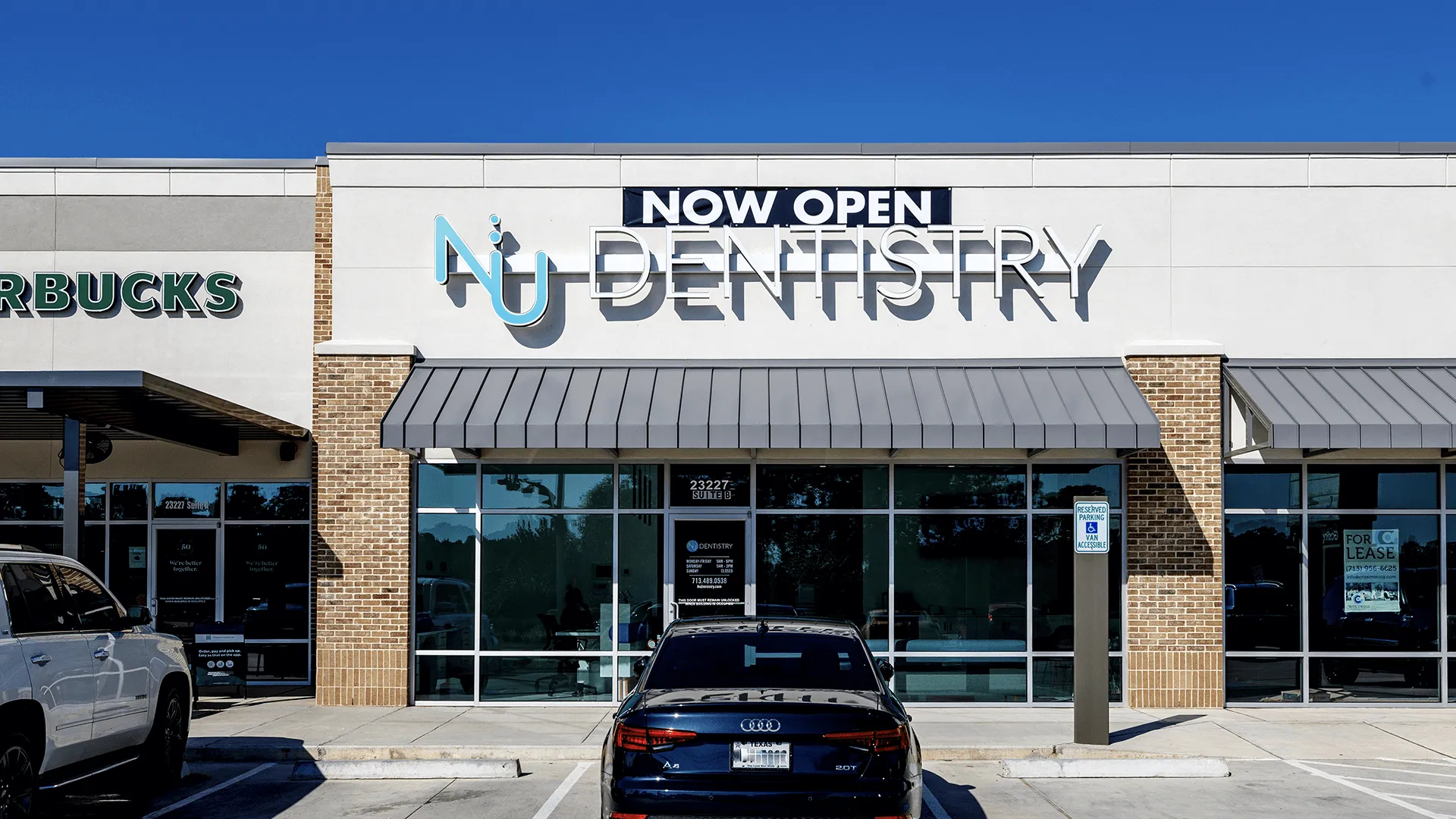
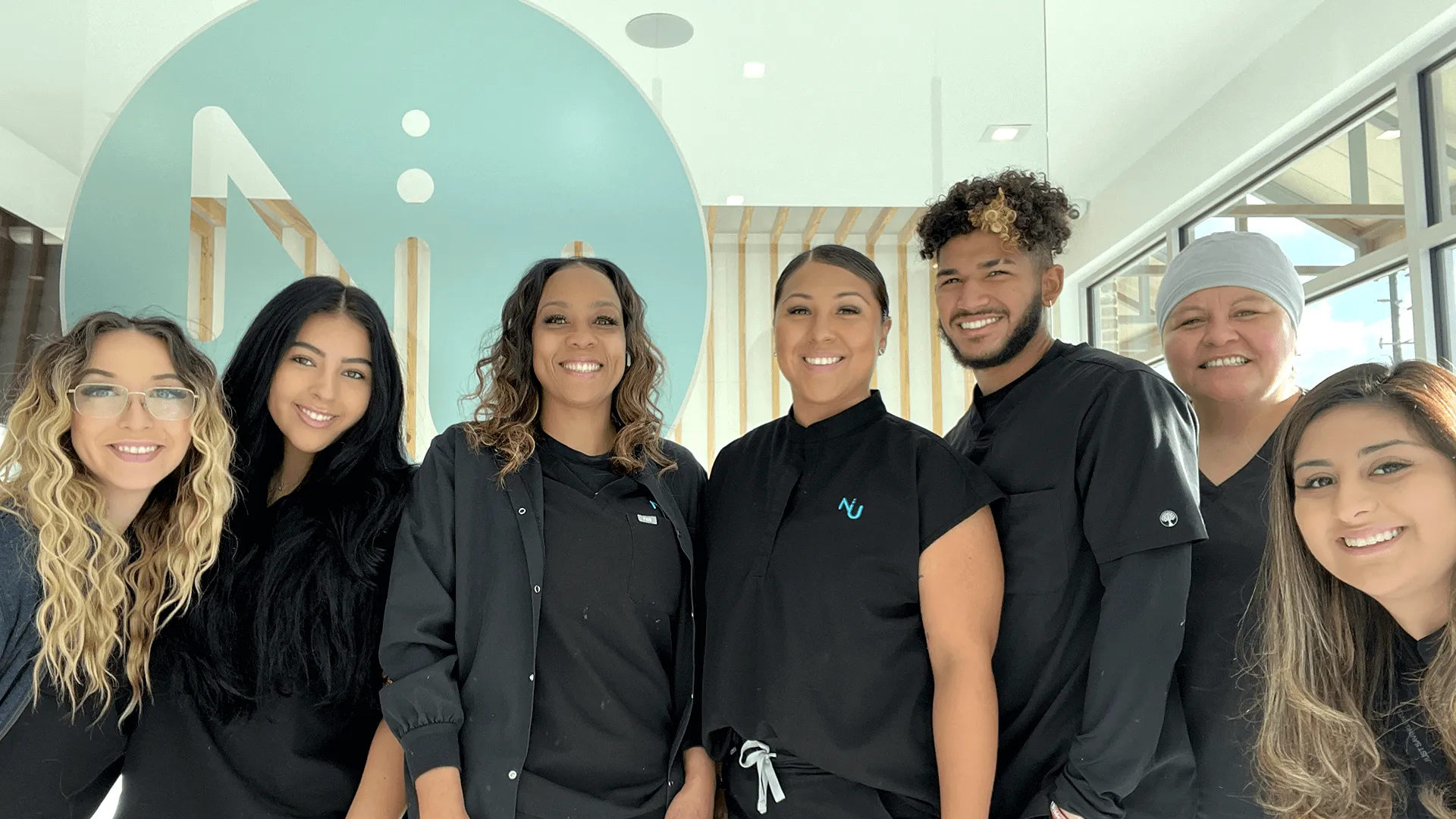
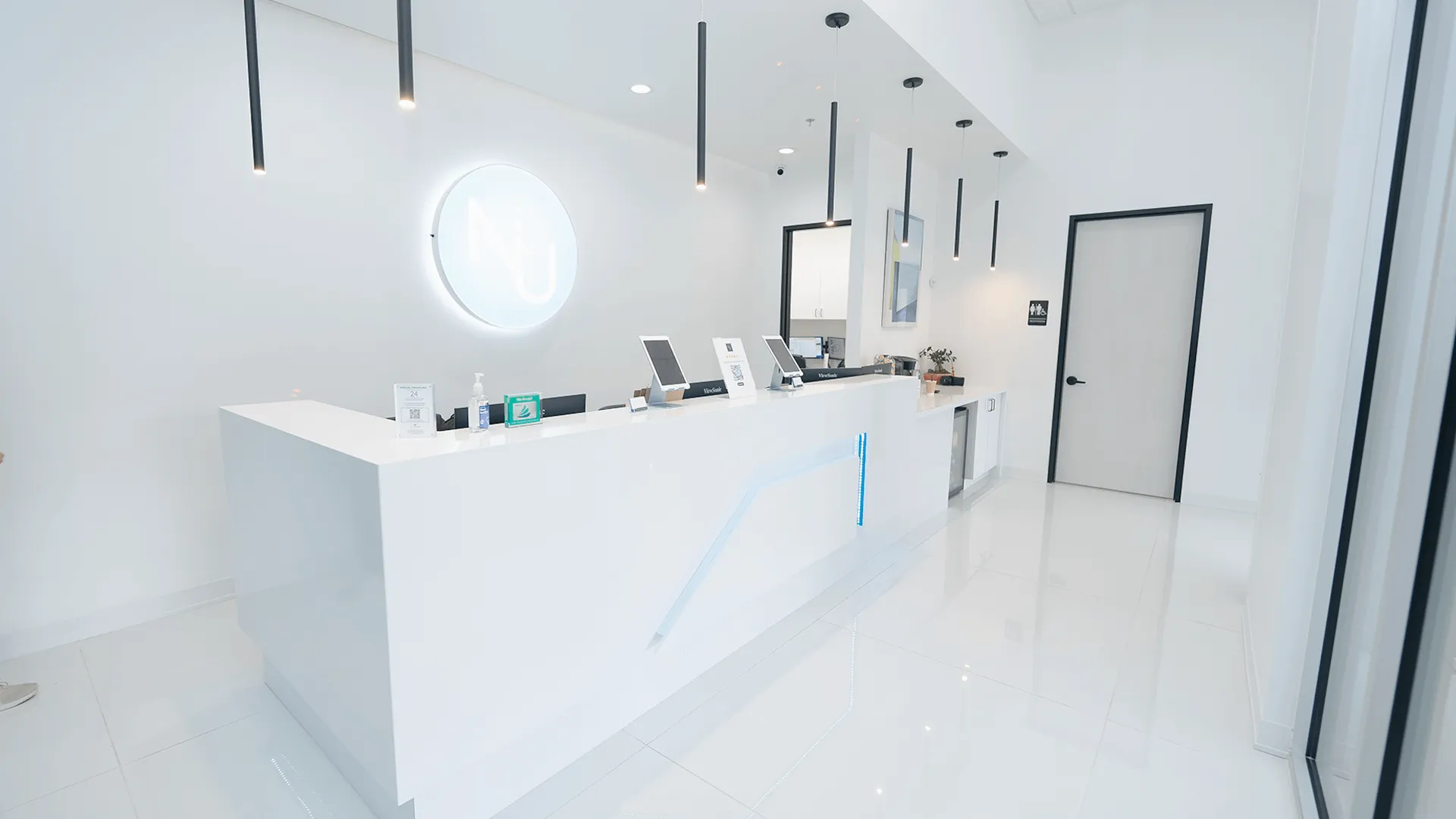
// NU DENTISTRY IN Cypress, Texas
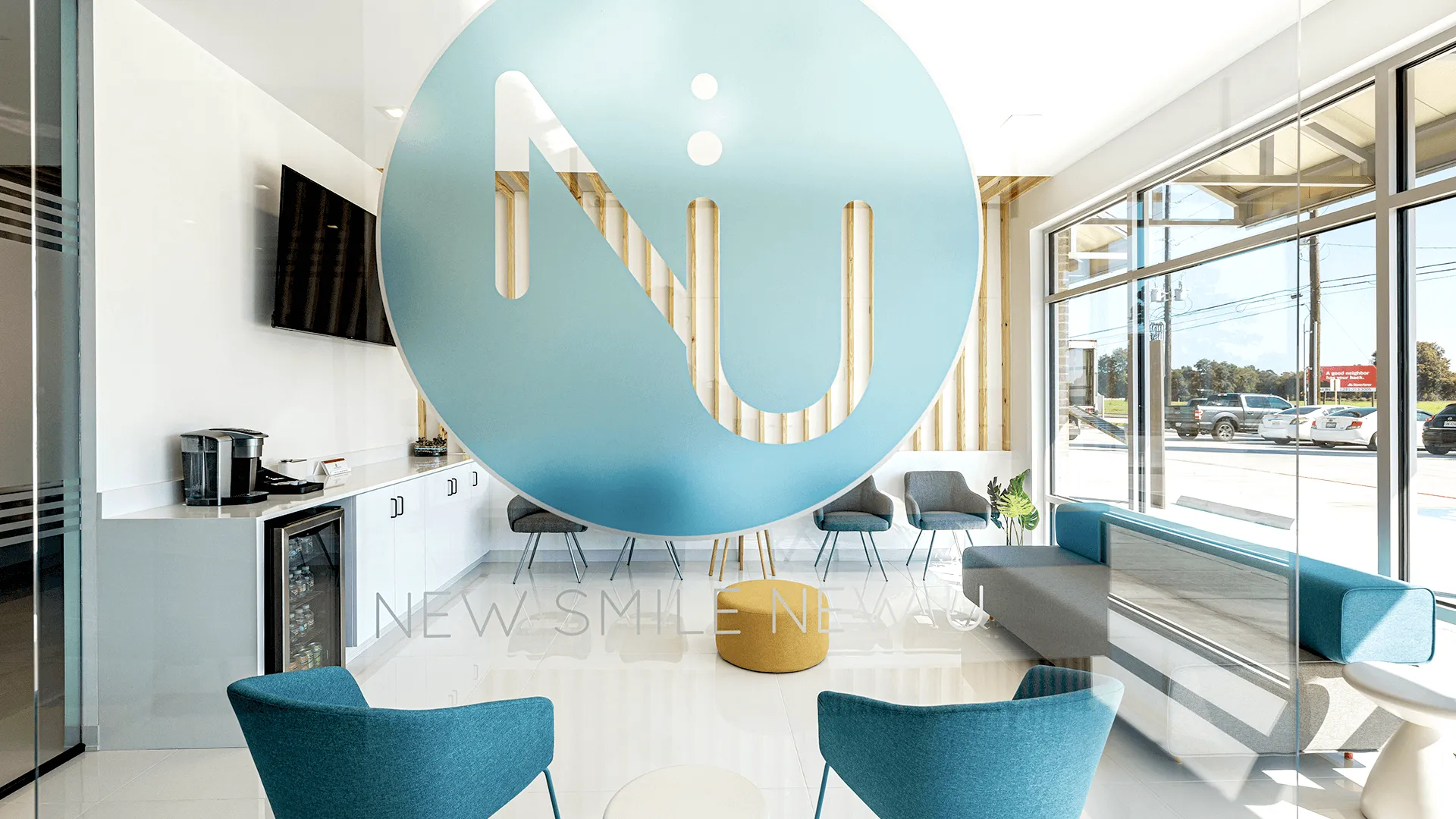
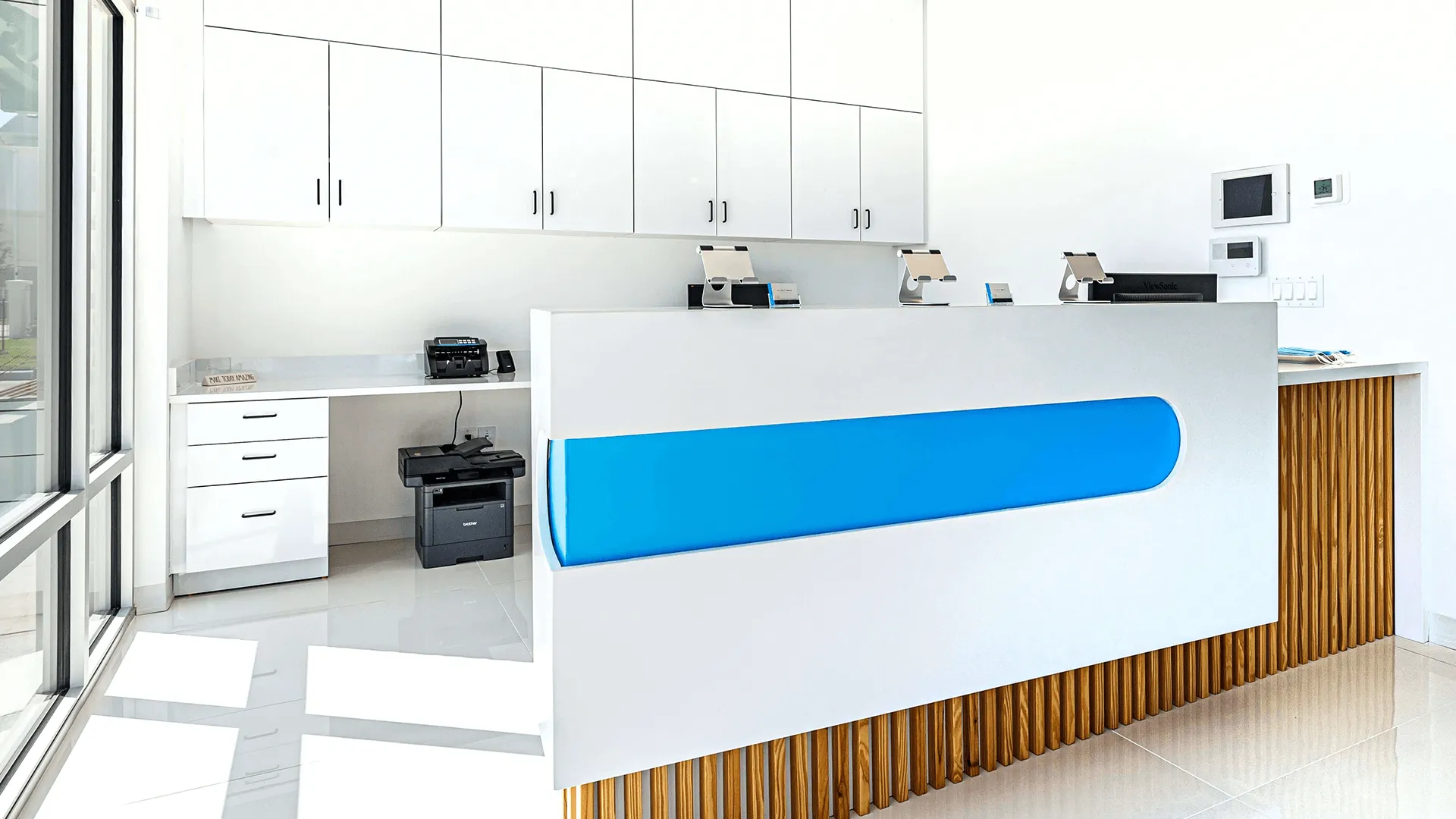
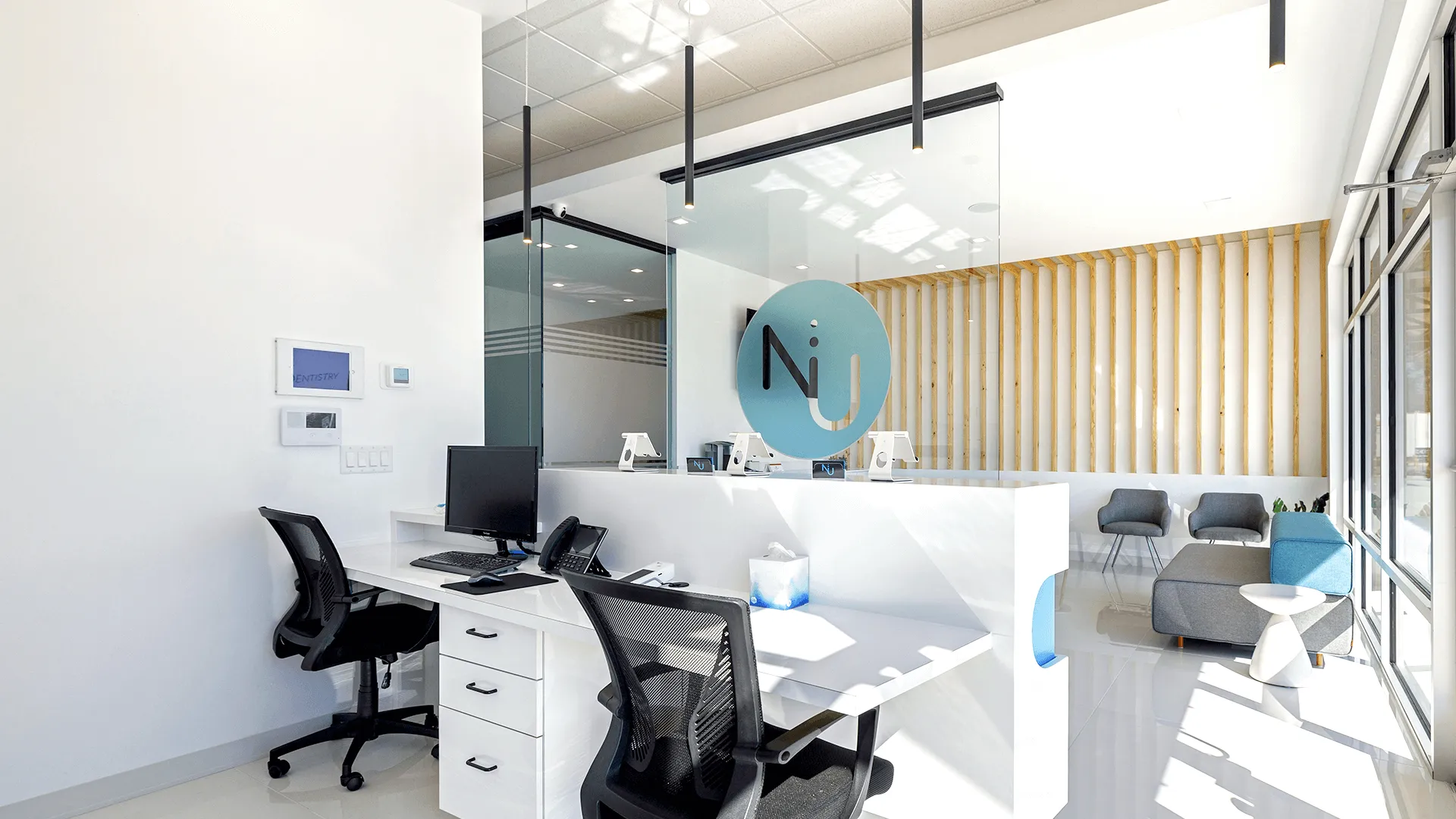
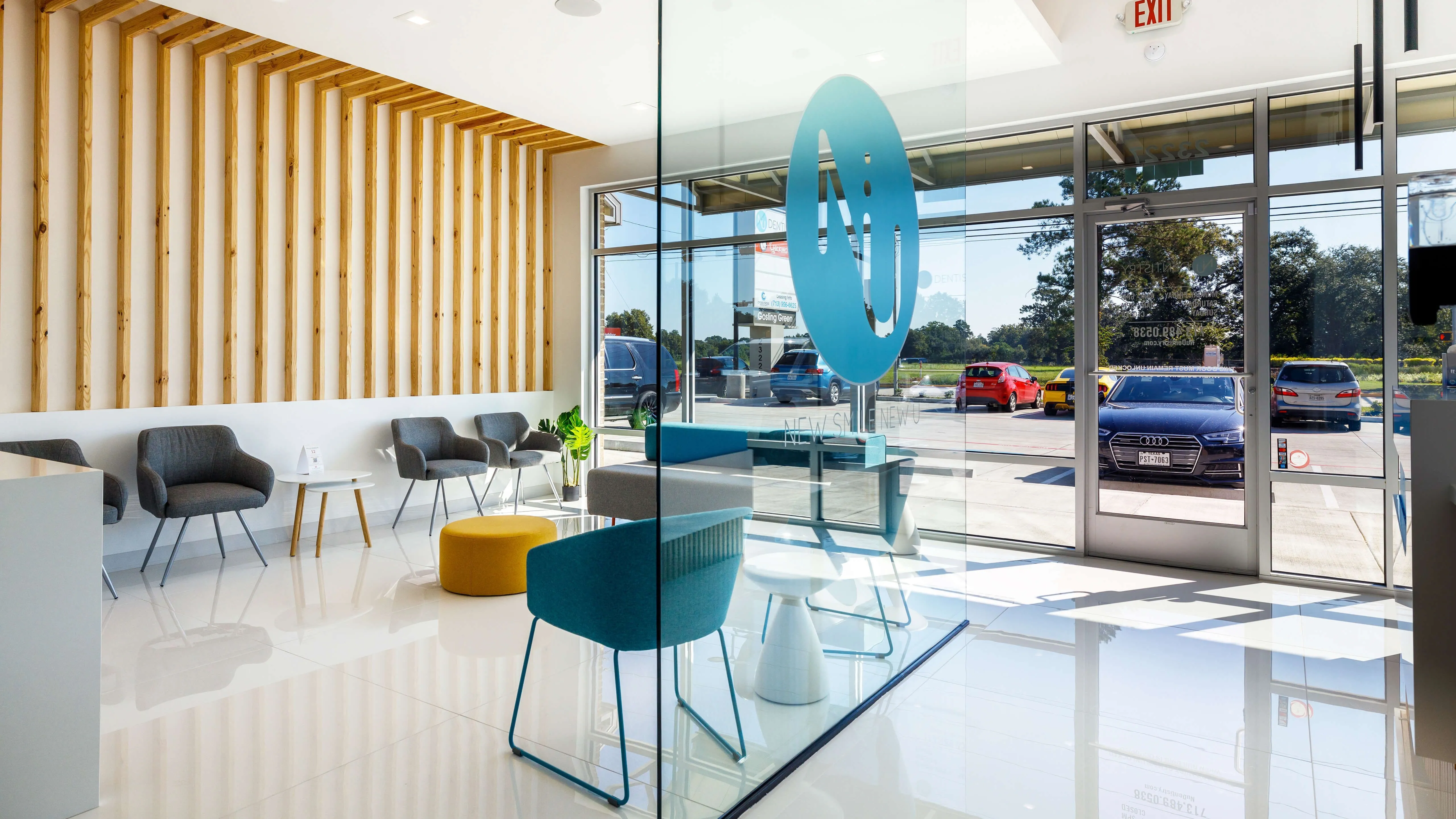
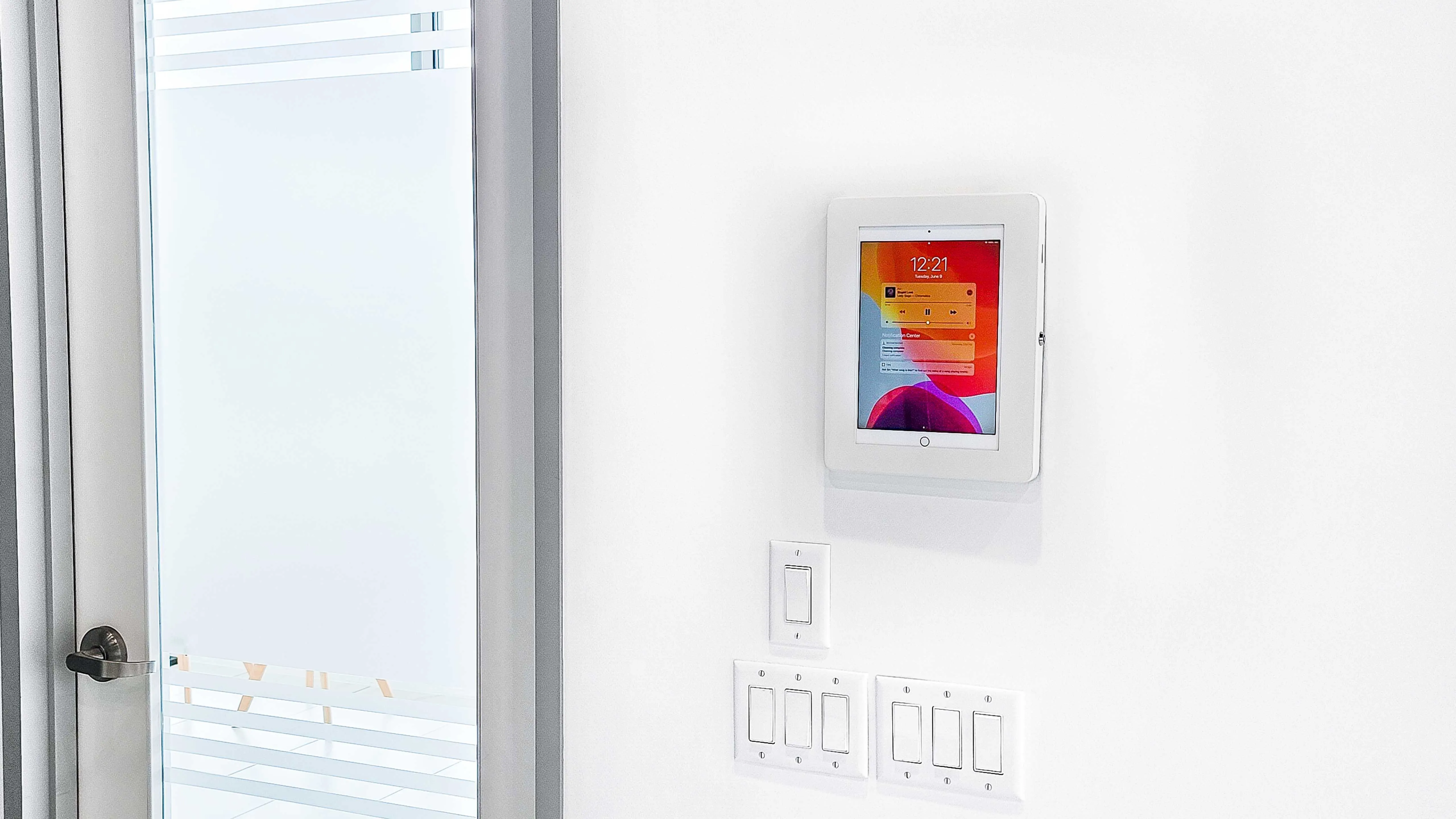
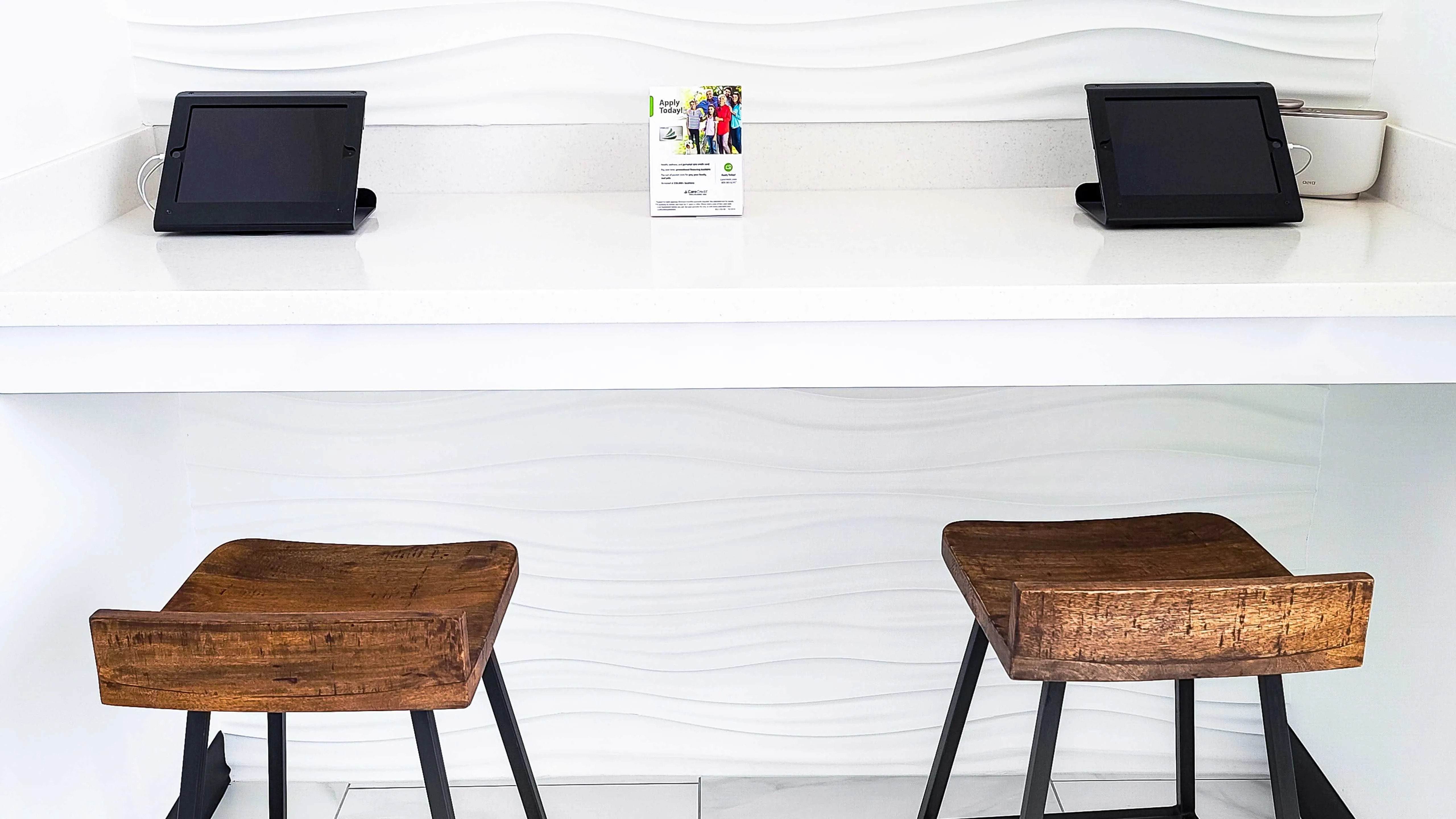
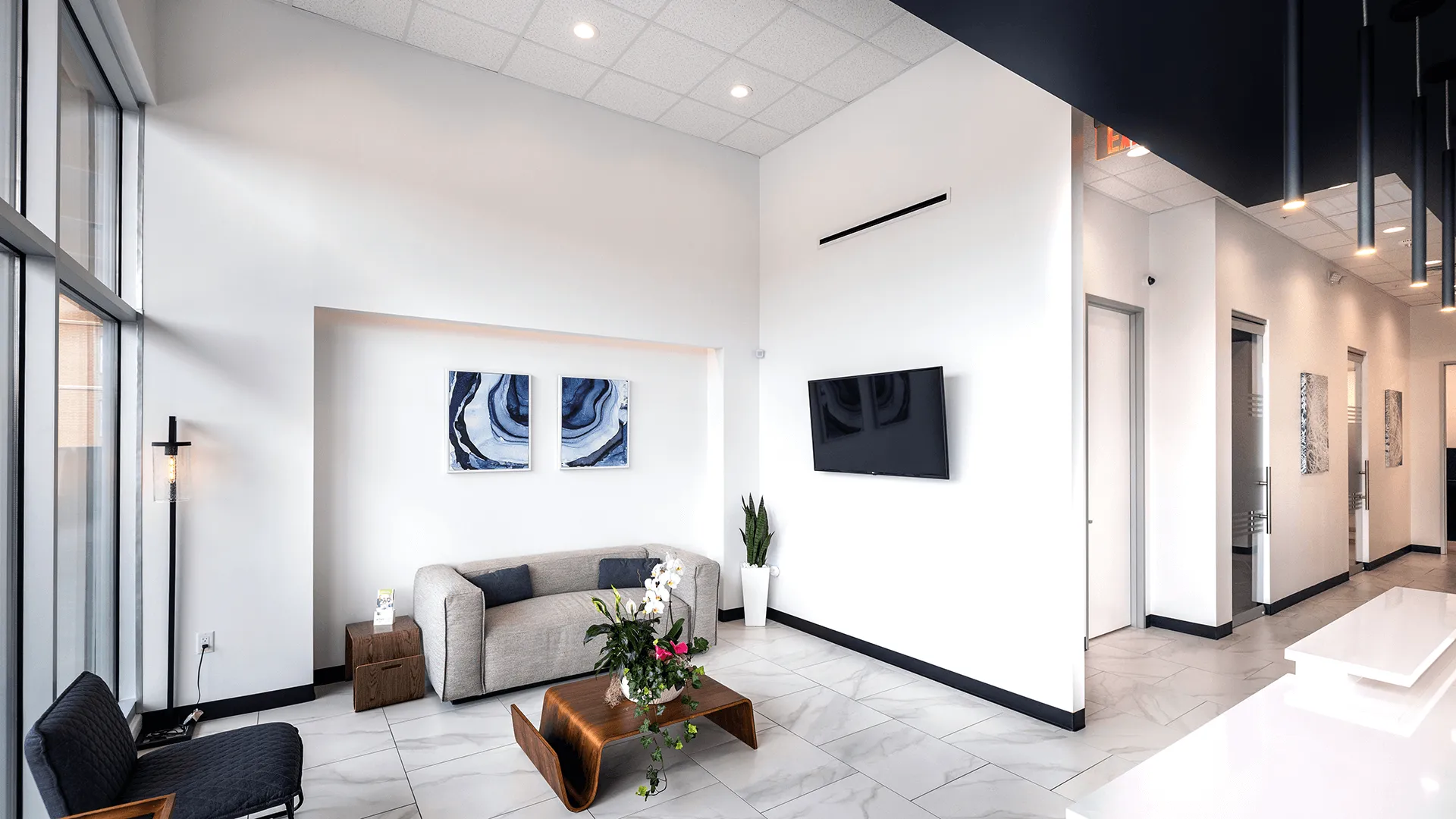
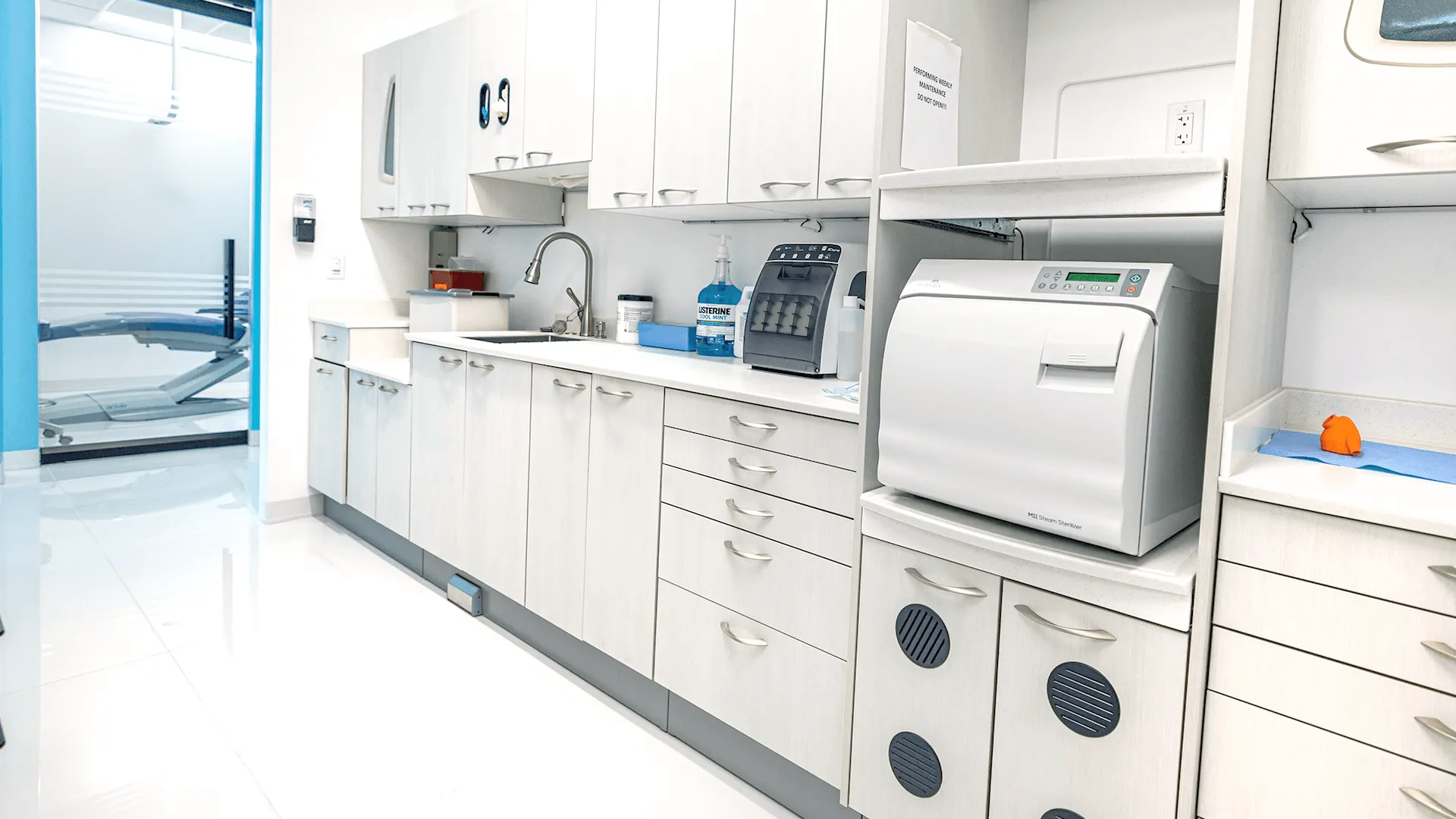
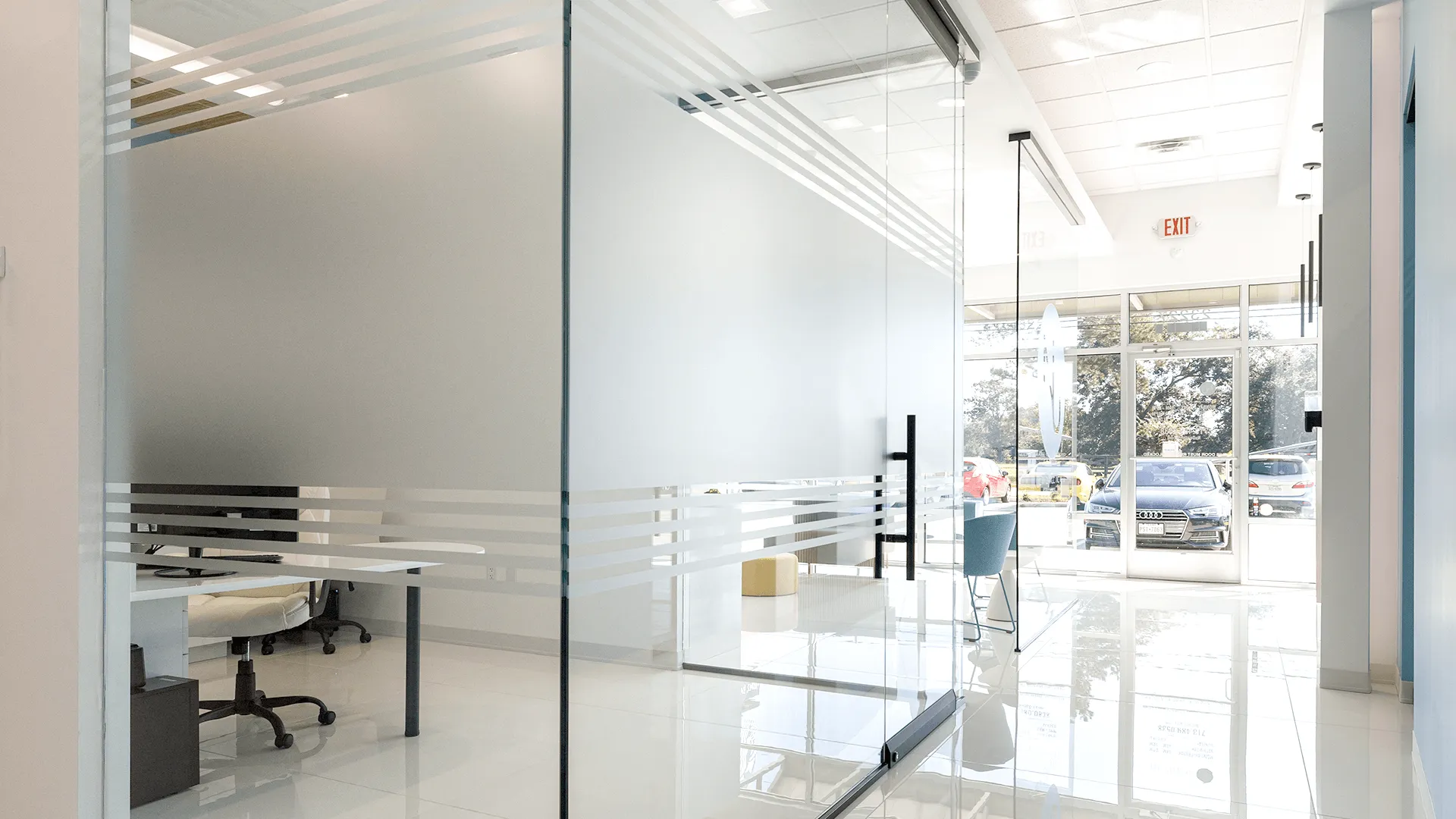
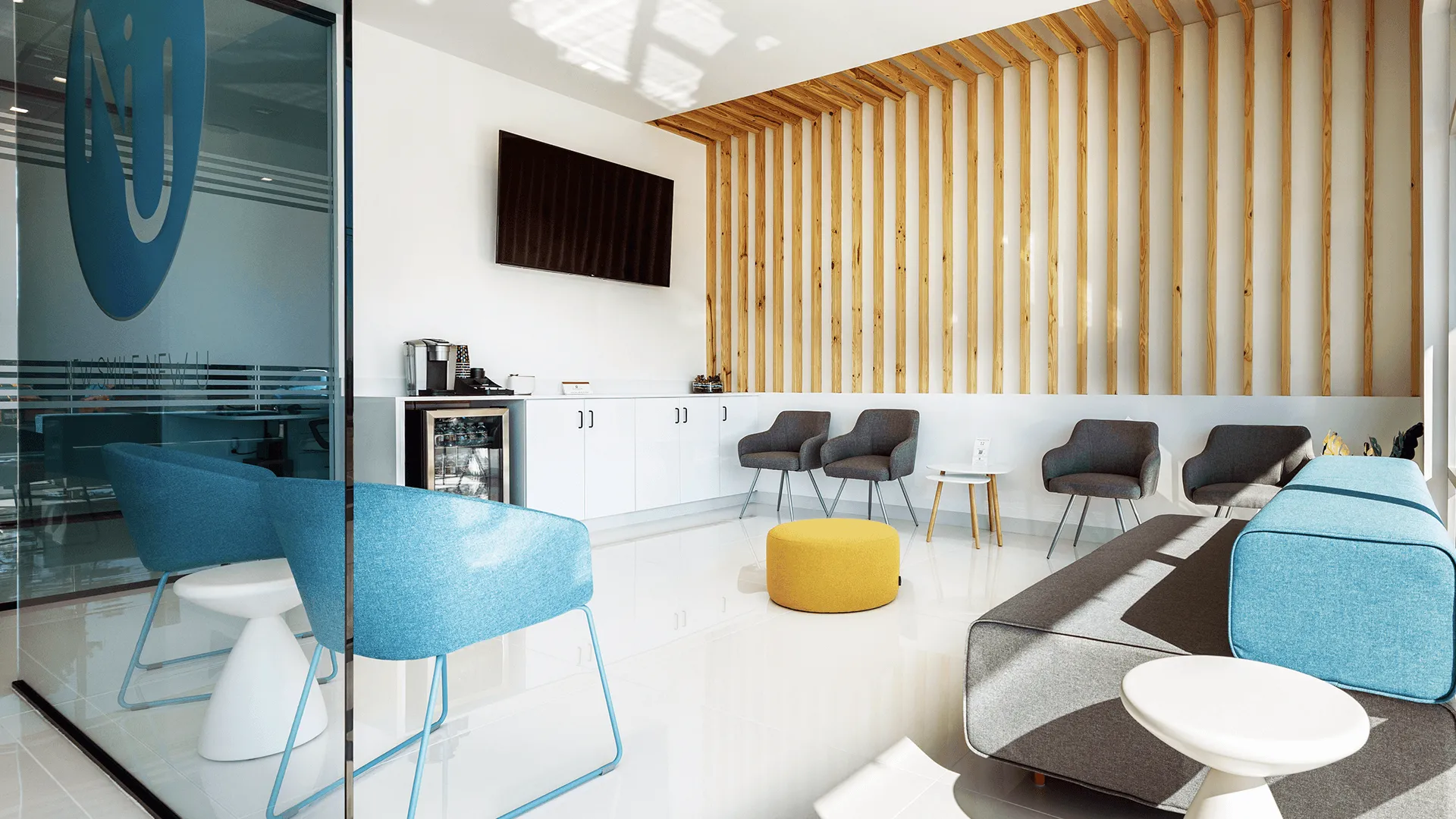
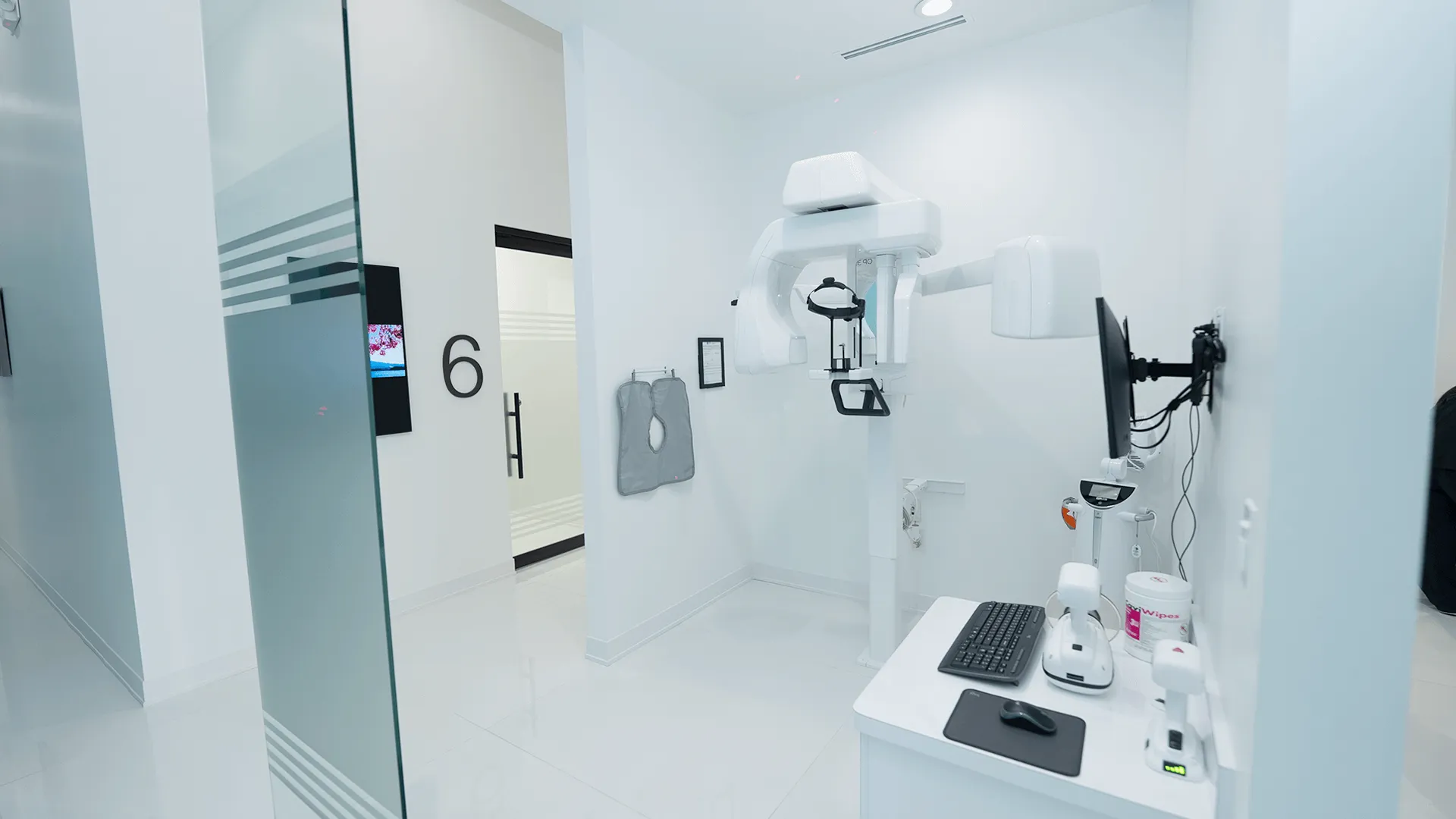
SEE WHAT A VISIT TO OUR MODERN, STATE-OF-THE-ART DENTIST OFFICE IS LIKE

Monday 9am - 6pm
Wednesday 9am - 6pm
Friday 9am - 6pm
Saturday 9am - 3pm
8940 Barker Cypress Rd. Cypress, TX 77433
3201 N. Shepherd Dr. Suite 113, Houston, TX 77018
8145 Highway 6, Building B #200, Missouri City, TX 77459
11115 W Grand Parkway S, Suite 140, Richmond, TX 77407
23227 Gosling Rd. Suite B, Spring, TX 77389
5706 San Felipe St. Ste B-300, Houston, TX 77057
// PATIENT TESTIMONIALS Cypress, TX
CHECK OUT WHAT OUR PATIENTS ARE SAYING IN CYPRESS, TX


// CARING DENTISTS Cypress, TX
OUR SOCIALS
FOLLOW US ON THESE SOCIAL MEDIA PLATFORMS