
Braces vs. Invisalign: Which Is Actually Better for Complex Bites?
Are braces or Invisalign better for complex bites? Compare clear aligners and traditional braces to find your best fit. Book a consultation in Cypress today!
Read More

Cosmetic Dentistry, Teeth Straightening
Ceramic braces are popular for their subtle appearance, but they carry real trade-offs — from enamel damage risks during removal to slower tooth movement caused by bracket friction. Understanding these disadvantages helps you make a smarter orthodontic decision.
For Cypress patients considering orthodontic treatment, most people hear that ceramic brackets break more easily than metal. What they rarely hear is what happens to your teeth when those brackets fail.
Ceramic is made from aluminum oxide, rated 9 out of 10 on the Mohs hardness scale — harder than natural tooth enamel. That matters enormously in deep bite cases. When ceramic brackets are placed on the lower front teeth, every time the upper teeth bite down, they make contact with a surface harder than themselves. Over time, this grinds down natural enamel on the upper arch.
This is why orthodontists follow what's often called the Biomechanical Clearance Rule: ceramic brackets are generally avoided on lower incisors for patients with deep bites. If you have a significant overbite, placing ceramic on the lower arch creates a collision course between your upper teeth and those unyielding brackets.
The removal process carries its own risks. According to Healthline, ceramic brackets are more than twice as likely to fracture compared to metal. When metal brackets fail, they typically debond cleanly in one piece. When ceramic shatters, fragments remain bonded to the tooth surface. Removing those remnants often requires rotary bur drilling — a process that risks microscopic enamel tear-outs. Metal brackets simply don't carry this level of removal complexity.
Before starting dental braces treatment, ask your orthodontist directly: What debonding protocol do you use to minimize enamel damage? The answer tells you a lot about their experience with ceramic systems.
The explanation most articles give is vague: ceramic is "slightly slower" than metal. The clinical reality is more specific.
Traditional ceramic brackets generate significantly higher frictional resistance against metal archwires than metal brackets do. During the space-closure and canine retraction stages — critical phases of orthodontic treatment that rely on sliding mechanics — this friction directly resists the movement your orthodontist is trying to create. Teeth don't slide along the wire as efficiently, and progress stalls.
A Healthline overview of ceramic braces notes that ceramic braces can take 18 to 36 months to complete treatment. That range isn't just about case complexity — it reflects how friction accumulates across every adjustment appointment.
Modern solutions exist. Metal-lined ceramic bracket slots reduce archwire friction dramatically while keeping the aesthetic benefit of tooth-colored brackets on the visible front teeth. Hybrid setups — ceramic on the upper "social six" front teeth, metal brackets on premolars and molars — are another practical compromise. The back teeth do most of the mechanical heavy lifting during space closure, so placing metal there eliminates the friction penalty where it matters most.
If your treatment plan involves significant tooth movement or space closure, ask whether a hybrid approach makes sense for your specific case. Patients who prefer a fully removable option may also want to explore Invisalign as an alternative to fixed ceramic systems.
Beyond enamel risks and movement physics, ceramic braces create several practical challenges that affect daily life.
When a ceramic bracket fractures mid-treatment, the repair appointment is not quick. Shattered ceramic often leaves bonded remnants that require careful removal before a new bracket can be placed. This adds 30 or more minutes to what would otherwise be a straightforward dental emergency visit. Repeat fractures — which are more likely in patients who grind their teeth or play contact sports — can extend total treatment time by weeks or even months per incident.
Staining is another underappreciated concern. WebMD notes that ceramic brackets can be customized to match tooth color, but the elastic ties holding the archwire to the brackets stain easily from coffee, tea, and certain foods. Those stains remain visible until ties are replaced at the next appointment.
Gum sensitivity is also more common with ceramic. Ceramic brackets are physically larger than metal brackets, making thorough cleaning around the gumline more difficult. Without diligent brushing, swollen or receding gums can develop over the course of treatment — and in some cases may progress into gum disease gingivitis if left unaddressed.
That said, ceramic braces do offer genuine advantages — they're less visible, MRI-compatible, and suitable for patients with nickel allergies. WebMD also highlights that ceramic brackets remain a strong option for adults who want a less conspicuous alternative to metal without switching to removable aligners. Patients who prioritize smile aesthetics beyond alignment may also want to consider aesthetic dentistry options that complement orthodontic treatment.
For complex alignment cases where clear aligners fall short, Healthline's comparison of aligners vs. braces confirms that fixed braces — ceramic or metal — still offer more precise control over tooth movement than removable trays.
Every patient's bite, bone density, and aesthetic priorities are different. What works beautifully for one person can create complications for another. At Nu Dentistry Cypress, our team serves Cypress, Texas patients with personalized orthodontic consultations — helping you weigh ceramic, metal, and hybrid approaches based on your actual clinical needs. We also recommend staying current with your cleaning and exam appointments throughout treatment to protect your gum health and catch any issues early. Schedule your visit today to get a clear picture of which braces are right for you.
Medical disclaimer: This article is intended for informational purposes only and does not constitute medical or dental advice. Always consult a licensed dental professional for diagnosis and personalized treatment recommendations.


// NU DENTISTRY IN Cypress, Texas
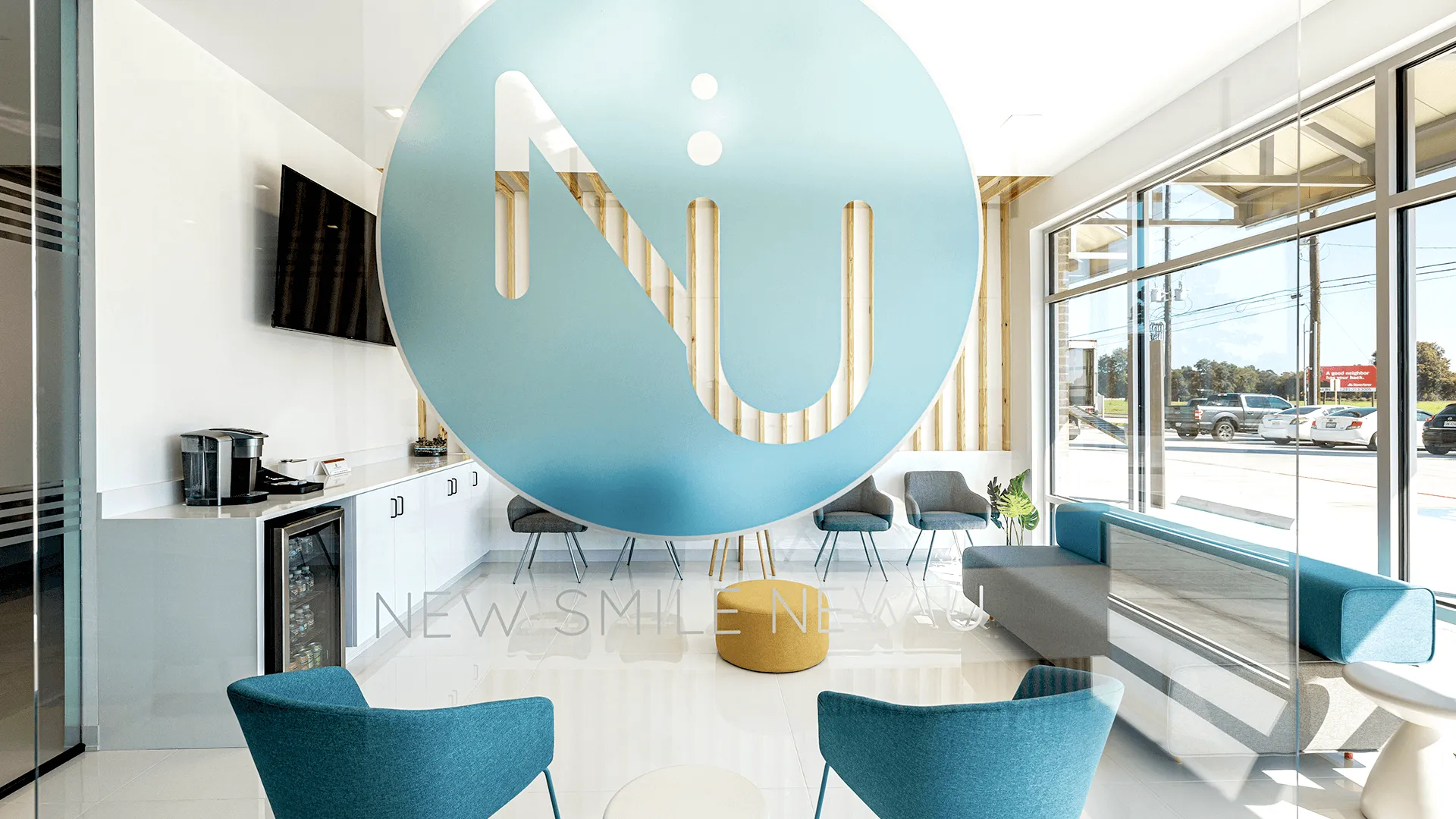
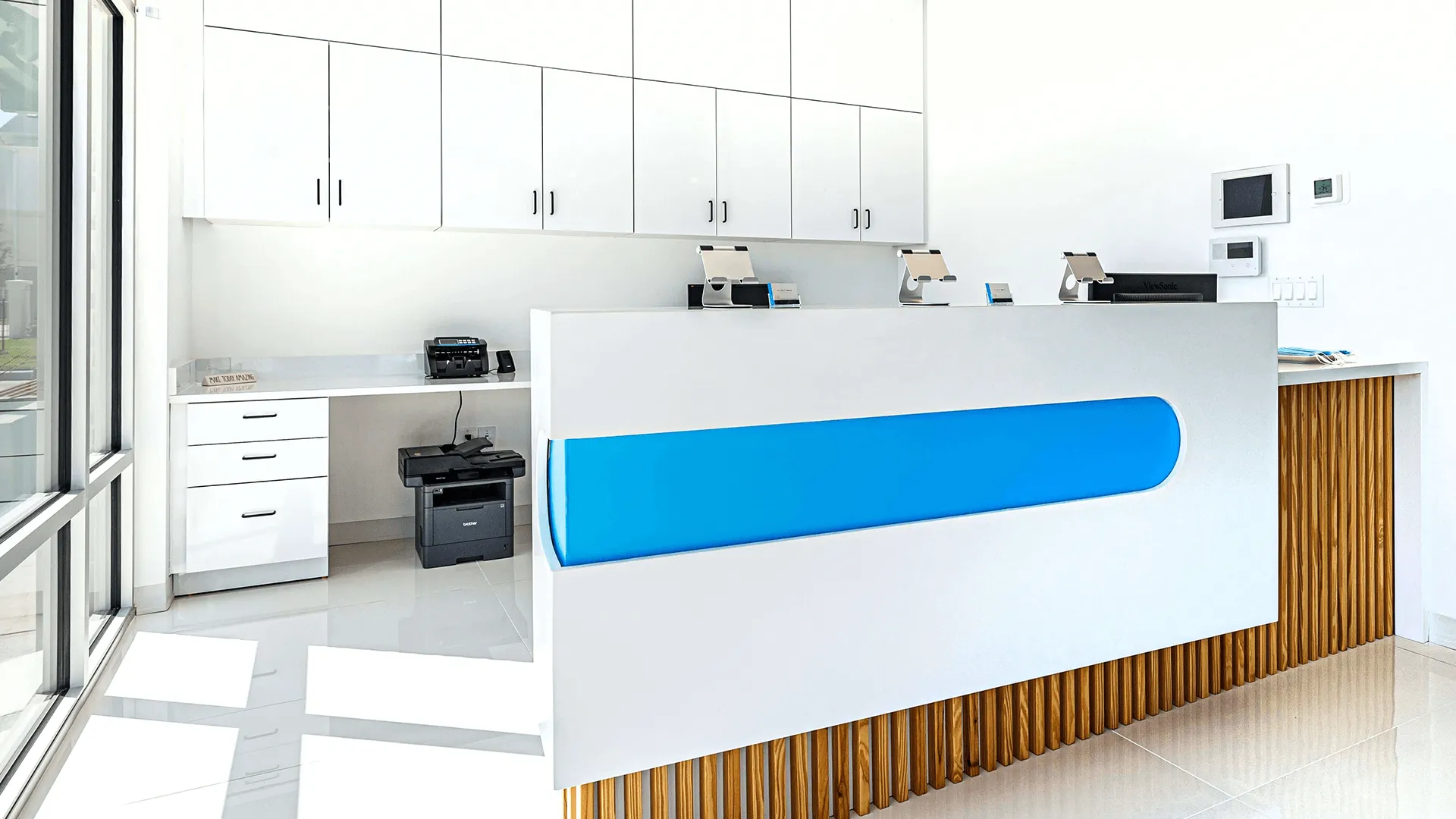
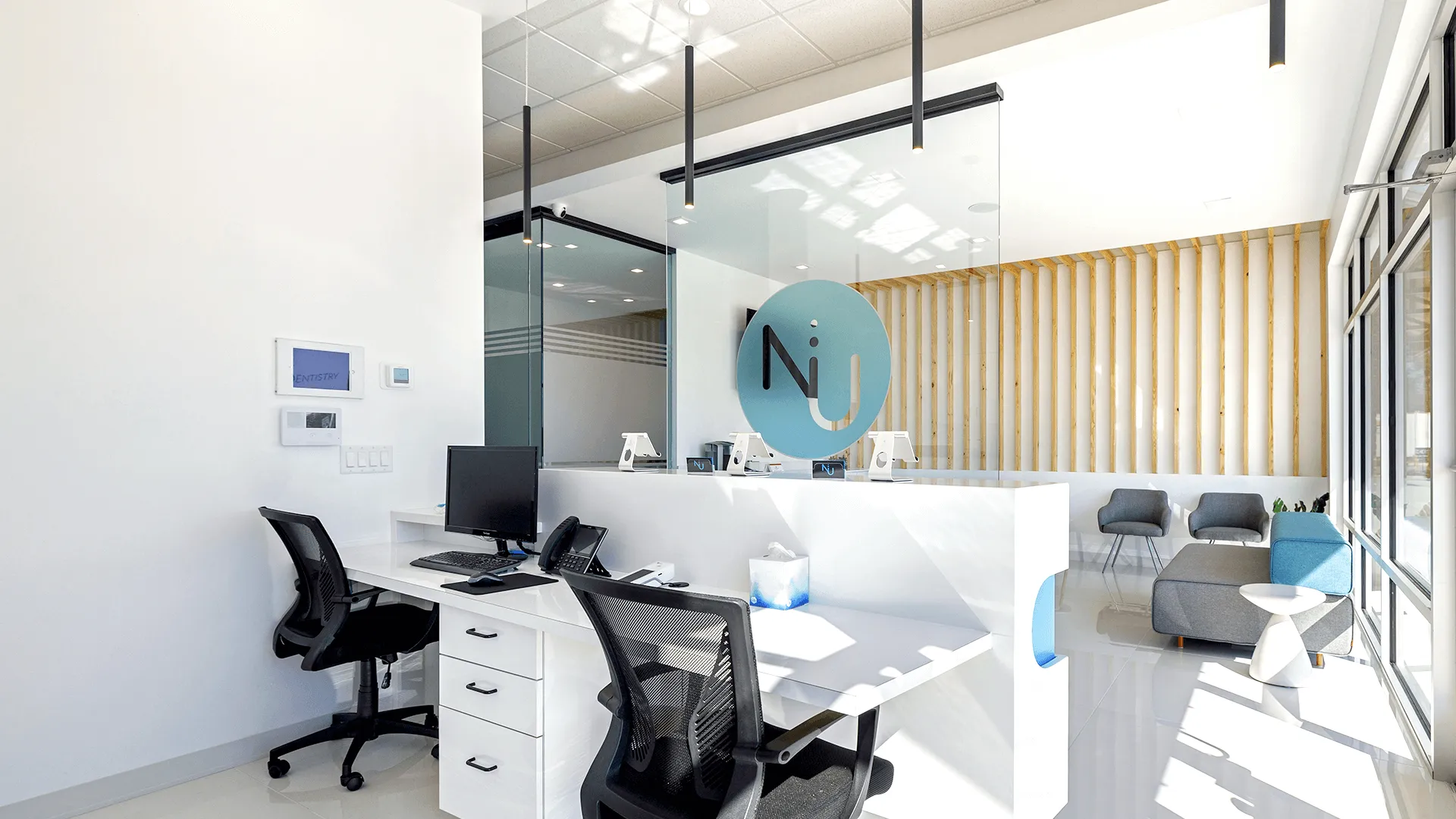
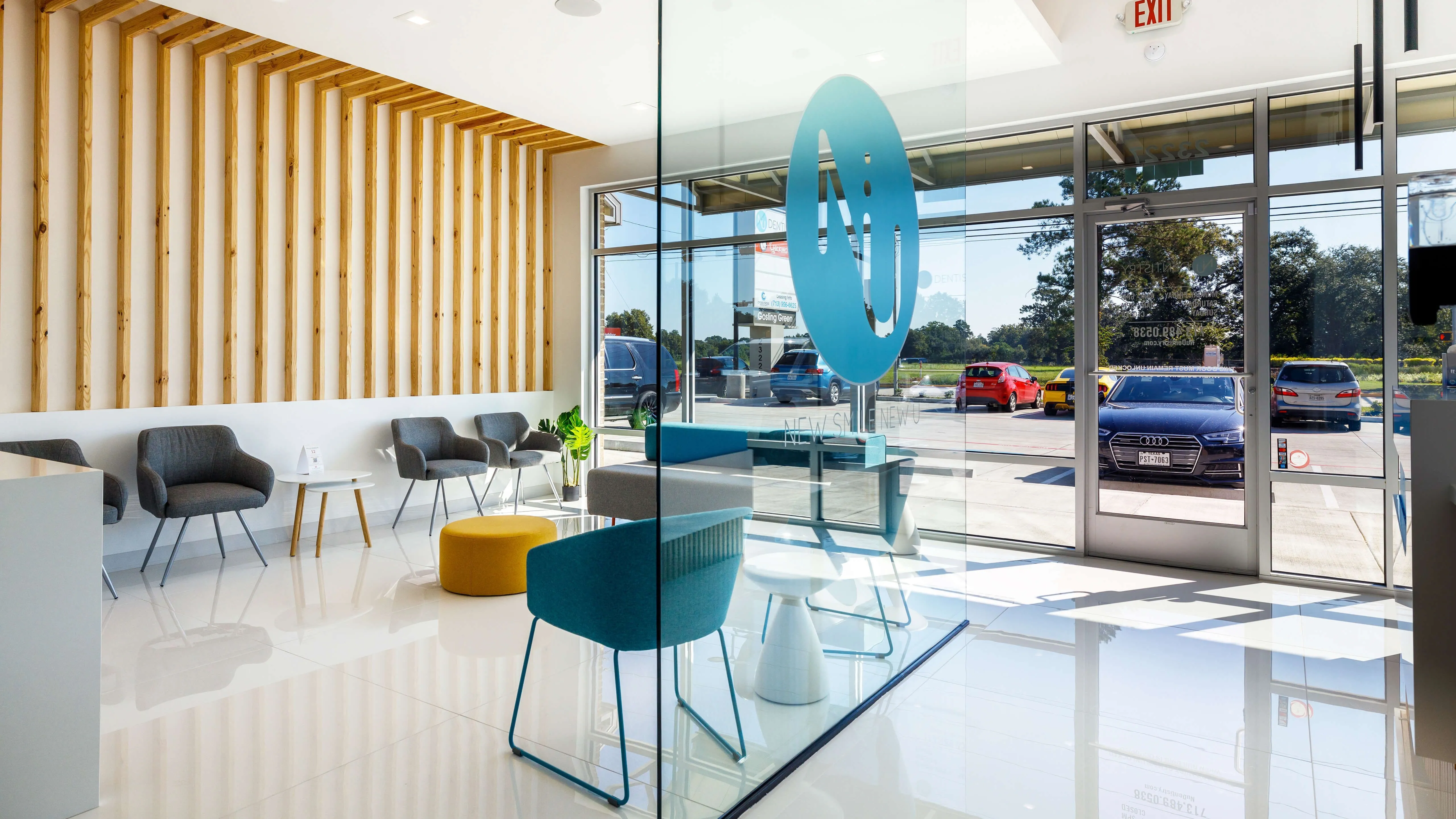
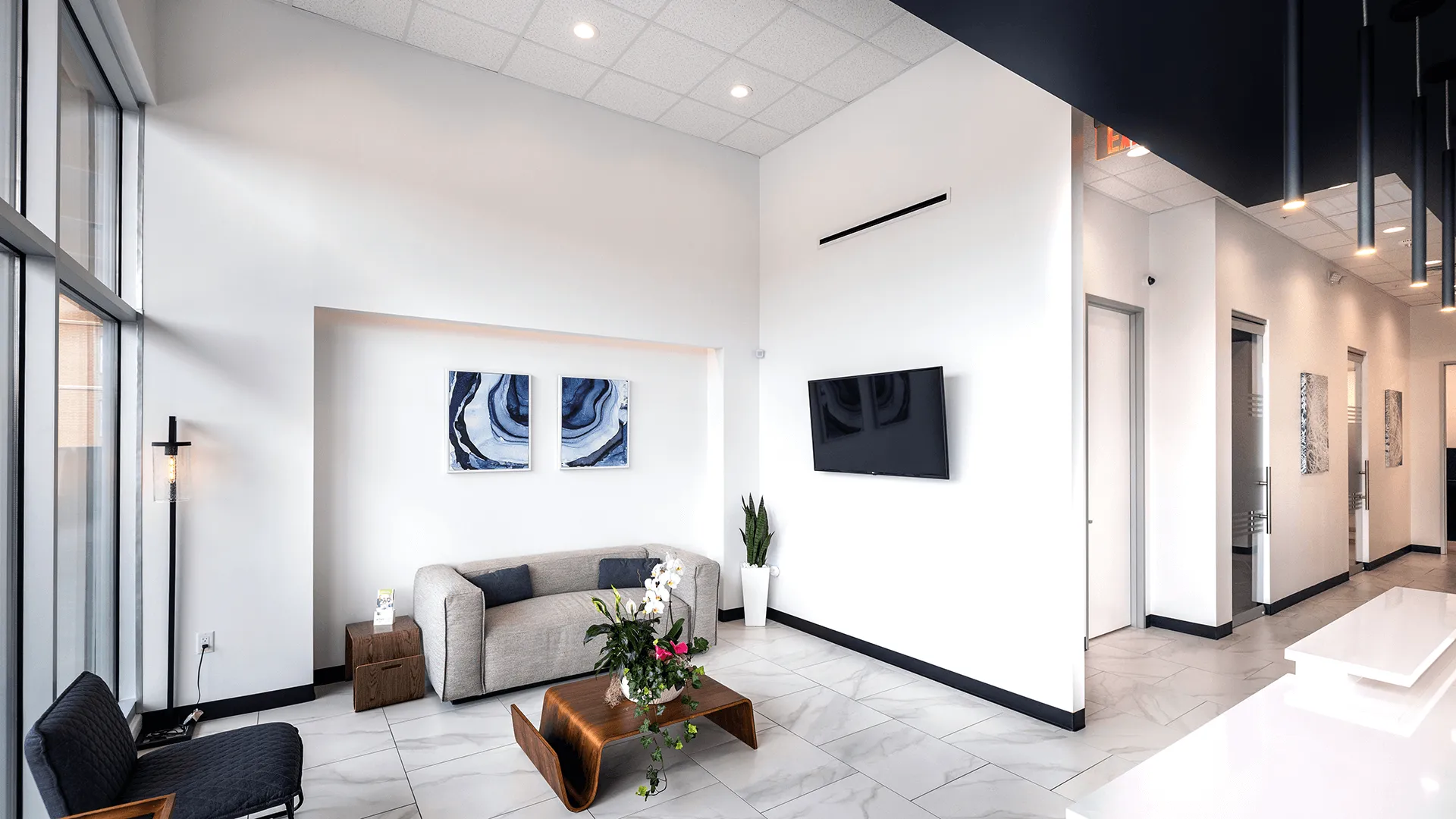
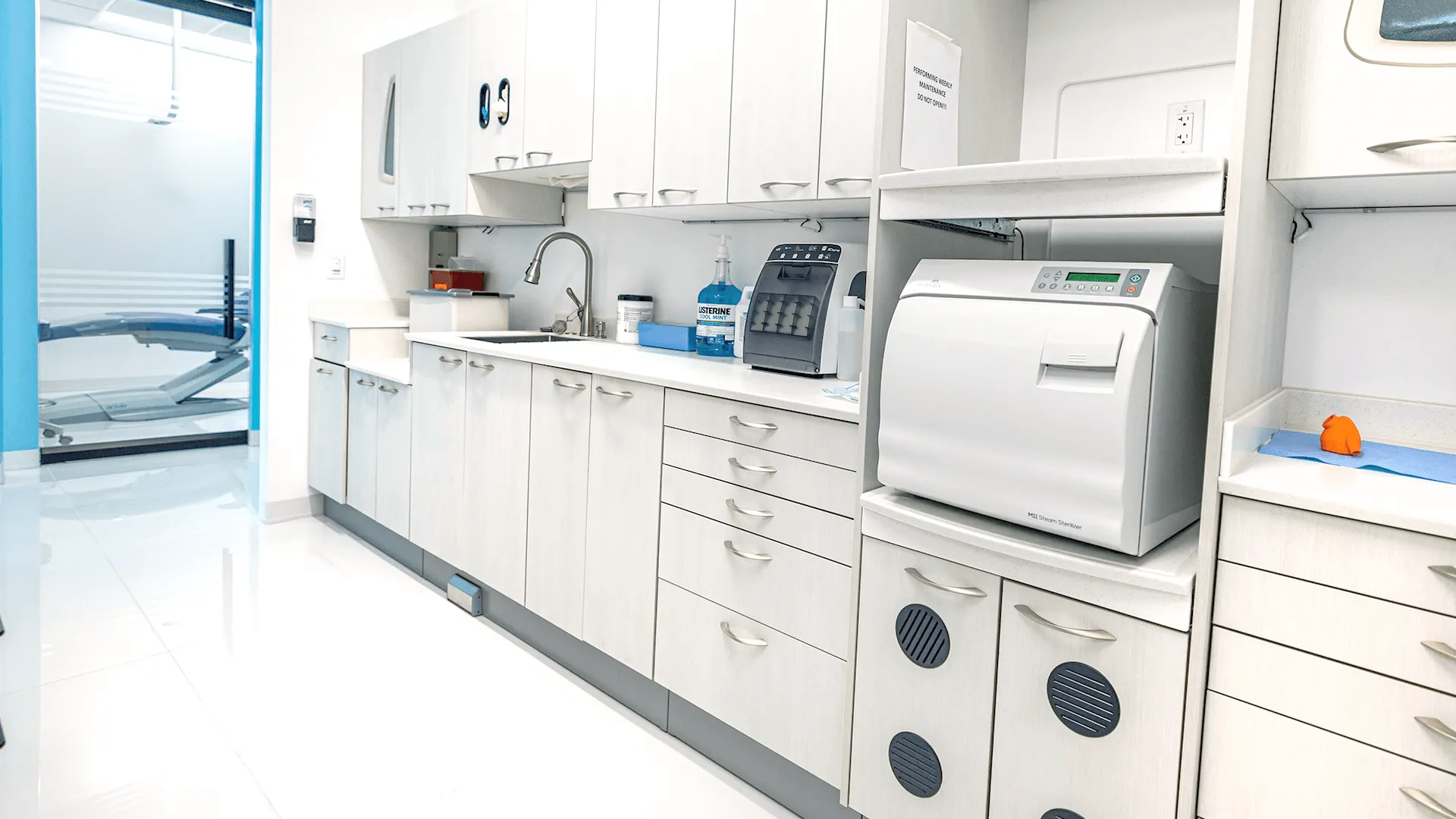
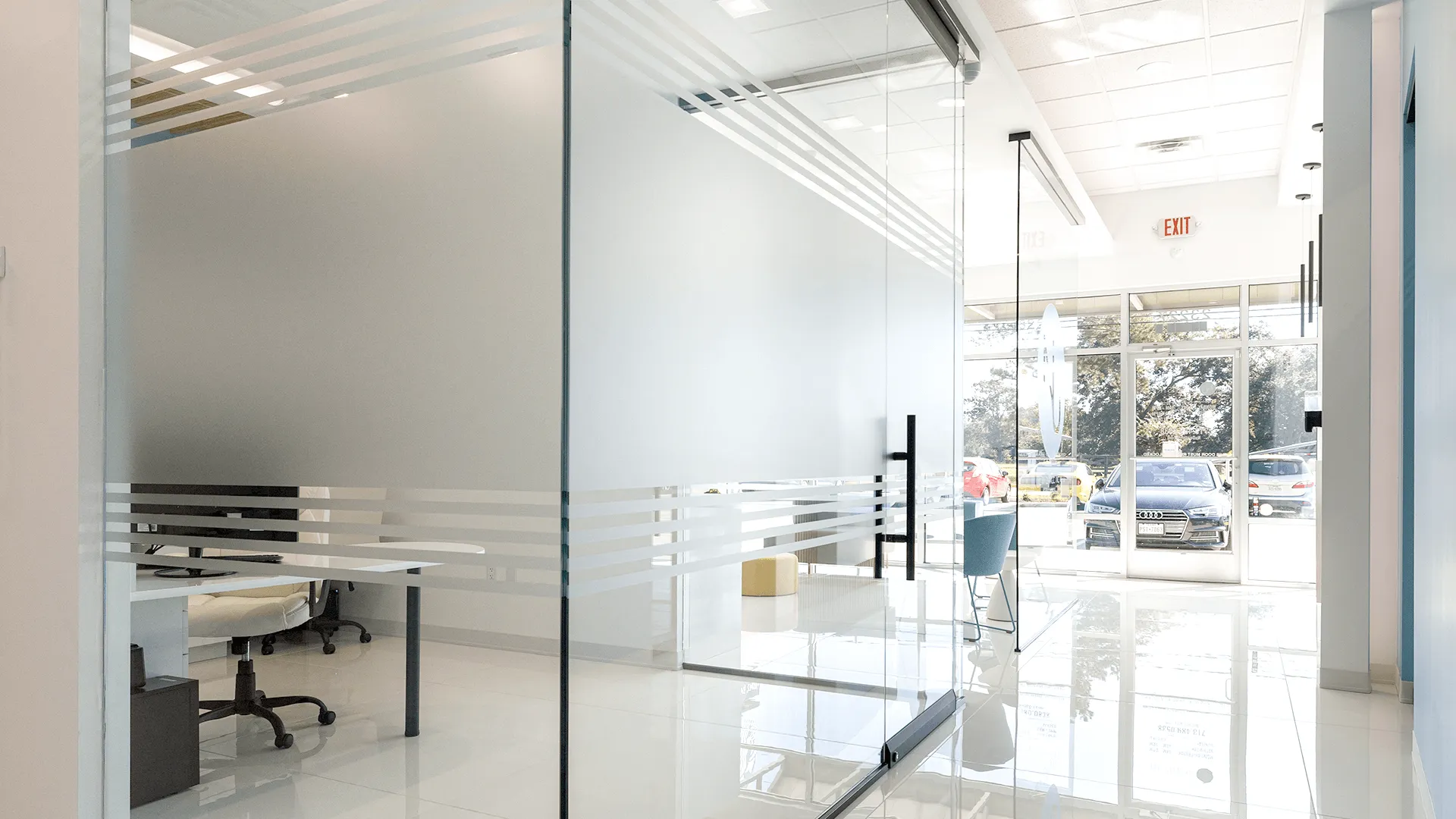
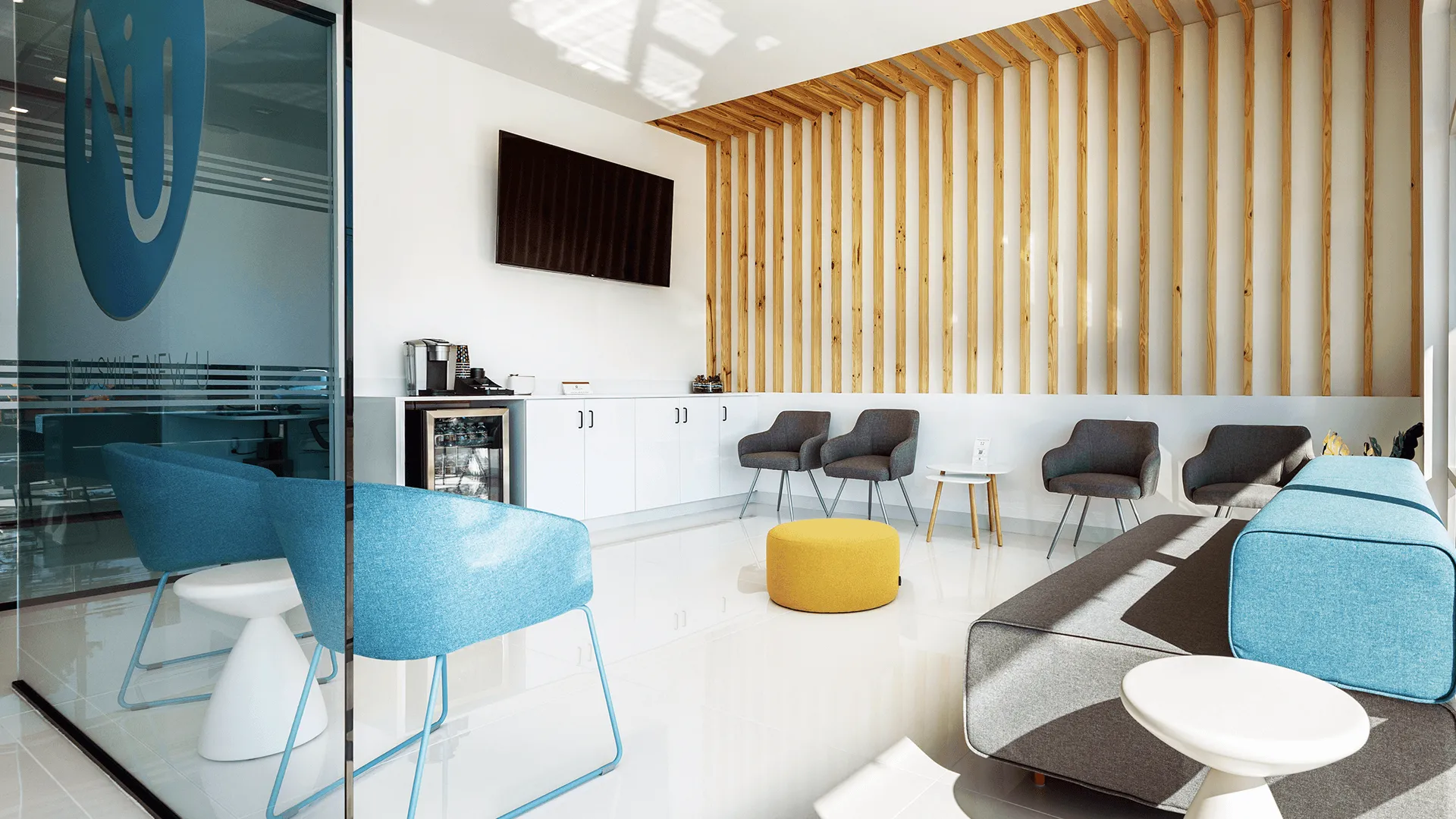
SEE WHAT A VISIT TO OUR MODERN, STATE-OF-THE-ART DENTIST OFFICE IS LIKE


Monday 9am - 6pm
Wednesday 9am - 6pm
Friday 9am - 6pm
Saturday 9am - 3pm
8940 Barker Cypress Rd. Cypress, TX 77433
3201 N. Shepherd Dr. Suite 113, Houston, TX 77018
8145 Highway 6, Building B #200, Missouri City, TX 77459
11115 W Grand Parkway S, Suite 140, Richmond, TX 77407
23227 Gosling Rd. Suite B, Spring, TX 77389
5706 San Felipe St. Ste B-300, Houston, TX 77057
// PATIENT TESTIMONIALS Cypress, TX
CHECK OUT WHAT OUR PATIENTS ARE SAYING IN CYPRESS, TX


// CARING DENTISTS Cypress, TX
OUR SOCIALS
FOLLOW US ON THESE SOCIAL MEDIA PLATFORMS