
Braces vs. Invisalign: Which One Actually Works Better for Your Teeth?
Braces vs. Invisalign: which works better for your smile? Compare results, comfort, and costs to decide. Book your orthodontic consultation in Cypress today!
Read More 
Cosmetic Dentistry, Teeth Straightening
Invisalign, Spark, and lingual braces each move teeth through different mechanical approaches — and the "best" choice depends on your specific tooth movements, lifestyle, and treatment complexity. This guide breaks down what actually separates these three options so you can ask smarter questions at your next consultation.
Most comparisons jump straight to aesthetics. But the deeper question is how each system physically moves your teeth — because not all movements are equal.
For Cypress-area patients, clear aligners like Invisalign and Spark apply gentle push forces to the crown of the tooth. For mild spacing, crowding, and rotations, this works well. Where aligners can struggle is with complex bodily translation — moving the entire tooth root and crown together in parallel rather than simply tipping the crown. When significant bodily movement is needed, aligner trays can produce unwanted crown tipping instead of true translation, which may extend treatment time or require mid-course corrections.
Lingual braces use a rigid, continuous archwire bonded to the back of your teeth. That archwire excels at three-dimensional root torque — the precise control needed when teeth must move bodily rather than just tip. If your case involves severe premolar rotations, extrusion of lower incisors, or significant translation of more than a few millimeters, lingual mechanics give your provider more direct biomechanical control.
According to Healthline, Invisalign works best for mild to moderate crowding, spacing, and bite issues — a useful benchmark for understanding where aligner therapy genuinely shines versus where fixed appliances may be more predictable.
The practical takeaway: ask your provider which specific tooth movements your case requires. If the answer involves mostly tipping corrections, aligners are a reasonable fit. If it involves significant bodily translation or torque, dental braces deserve serious consideration.
On the surface, Spark and Invisalign look nearly identical. Both are clear aligner systems. Both require 20–22 hours of daily wear. As noted by WebMD, aligners need to be changed roughly every two weeks to maintain treatment progress. So what actually separates them?
The answer is polymer chemistry and edge design.
Invisalign uses SmartTrack, a multilayer polyurethane material with a scalloped trim line that follows the gingival crest. Spark uses TruGEN, a proprietary copolyester with polished, scalloped edges. Spark's manufacturer claims TruGEN resists staining from chromogens — coffee, tea, and similar dietary compounds — more effectively than SmartTrack.
For patients who drink coffee daily or consume deeply pigmented foods, tray discoloration isn't cosmetic vanity. Visible yellowing on trays undermines the primary reason most patients chose clear aligners in the first place. Attachment plaque buildup around aligner edges is a related concern, since both systems use tooth-colored attachments bonded to enamel to assist with complex movements.
Lingual braces sidestep tray-staining anxiety entirely — but they introduce their own hygiene challenge. Brackets bonded to the lingual surface of teeth sit close to the tongue and are harder to clean, raising the risk of gum disease along the gumline if oral hygiene is inconsistent.
Neither system forgives poor hygiene. Your daily cleaning routine matters as much as which system you choose.
Here is something worth understanding before you commit to any aligner system: what happens if your teeth stop tracking mid-treatment?
Invisalign's comprehensive package includes a multi-year refinement policy — meaning additional aligner trays to correct tracking issues are covered within that window. Spark offers tiered packages (such as Spark 10, Spark 20, and Spark Advanced) with different refinement allowances built in. If a patient is on a lower-tier package and the case requires more trays than the tier covers, additional trays may be required.
Before starting treatment, ask your provider these specific questions: Which refinement tier does my treatment plan include? Is there an expiration window on refinements? If my teeth stop tracking, how are correction trays handled?
These aren't gotcha questions — they're standard due diligence. A Healthline overview of lingual braces notes that treatment varies significantly based on appliance type and case complexity, reinforcing that the initial scope of any orthodontic system rarely tells the complete story.
Lingual braces operate on a different model entirely — no tray tiers, no refinement caps. Adjustments happen at each appointment through wire bending, which is included in the overall treatment plan.
WebMD reports that one in four orthodontic patients wearing braces is an adult — and adults often have pre-existing dental conditions, denser bone, and tighter schedules that affect which system is realistic for them.
Compliance is the defining variable for aligner success. Both Invisalign and Spark require 20–22 hours of daily wear. Removing trays for meals is a feature, but it also creates opportunity for under-wearing. Healthline's overview of Invisalign is direct: effectiveness depends heavily on wearing aligners for the full recommended hours each day.
Clear braces eliminate the compliance variable entirely — they are fixed and cannot be removed. For patients who know they will struggle to re-insert trays consistently, or who travel frequently and find tray management inconvenient, lingual braces offer predictability that no aligner system can match.
Adult braces coverage from Healthline points out that for adults, aesthetics and lifestyle compatibility are the primary decision factors — which is exactly why no single system wins universally.
The right choice depends on your specific tooth movements, your daily habits, and your treatment complexity. A thorough cleaning and exam is the only way to know which system genuinely fits your case.
If you're weighing Invisalign, Spark, or lingual braces, the conversation starts with a clinical exam — not a comparison article. Nu Dentistry Cypress serves patients throughout Cypress, Texas and the greater Houston area. Schedule a consultation to get a personalized recommendation based on your actual tooth movements and treatment goals.
Medical disclaimer: This article is intended for informational purposes only and does not constitute professional dental or medical advice. Always consult a qualified dental provider for diagnosis and treatment recommendations specific to your situation.


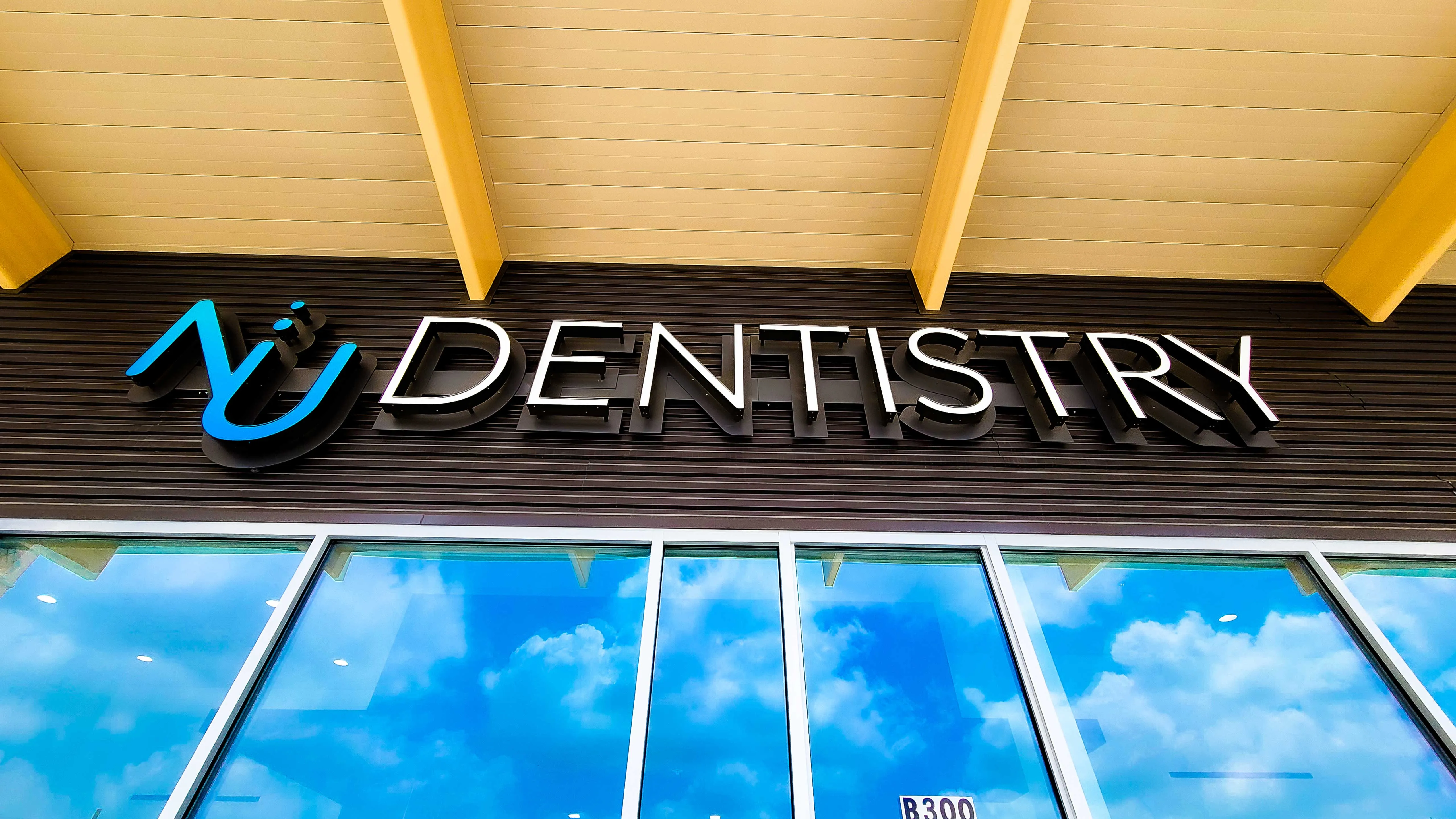
// NU DENTISTRY IN Cypress, Texas
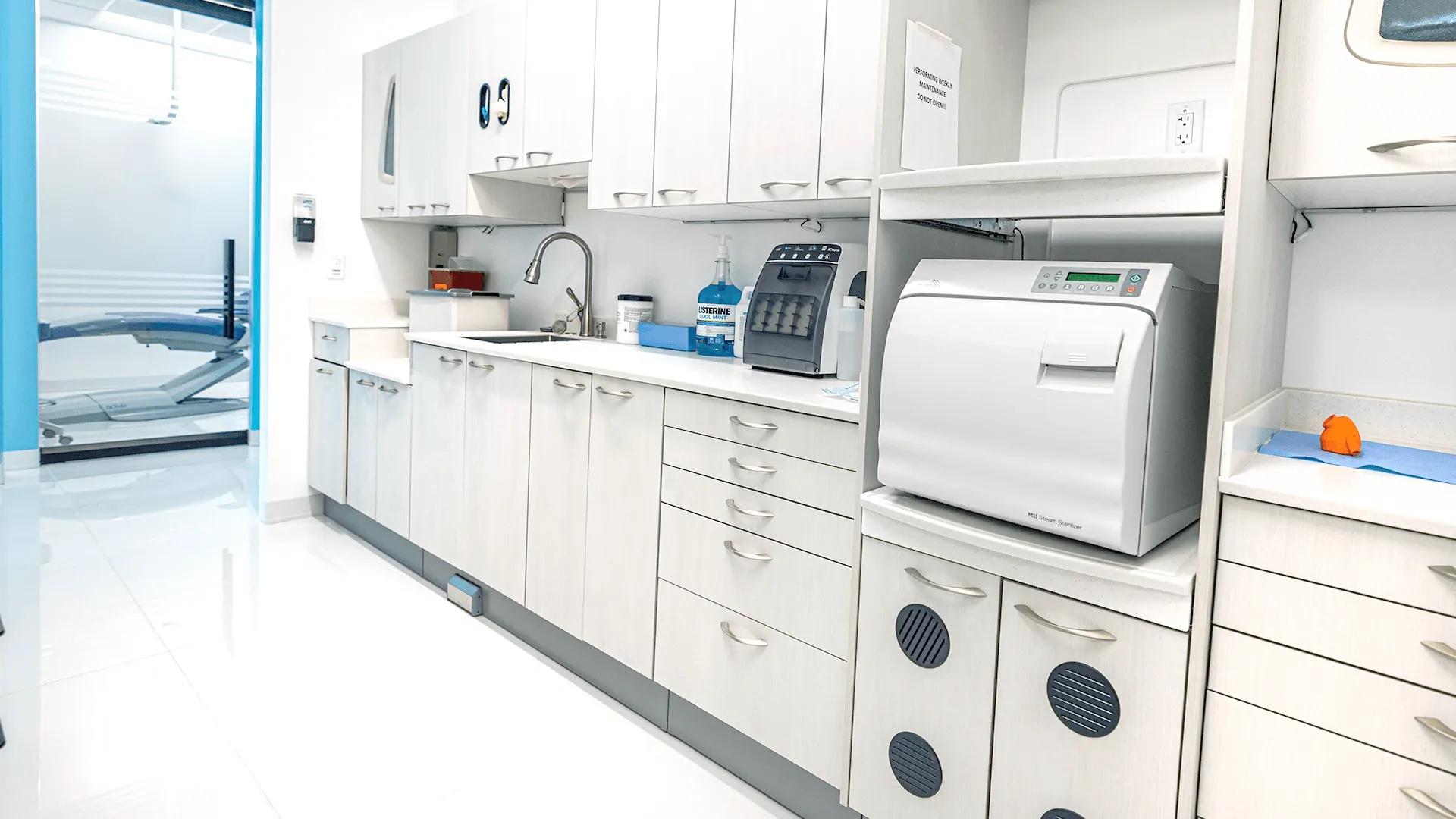
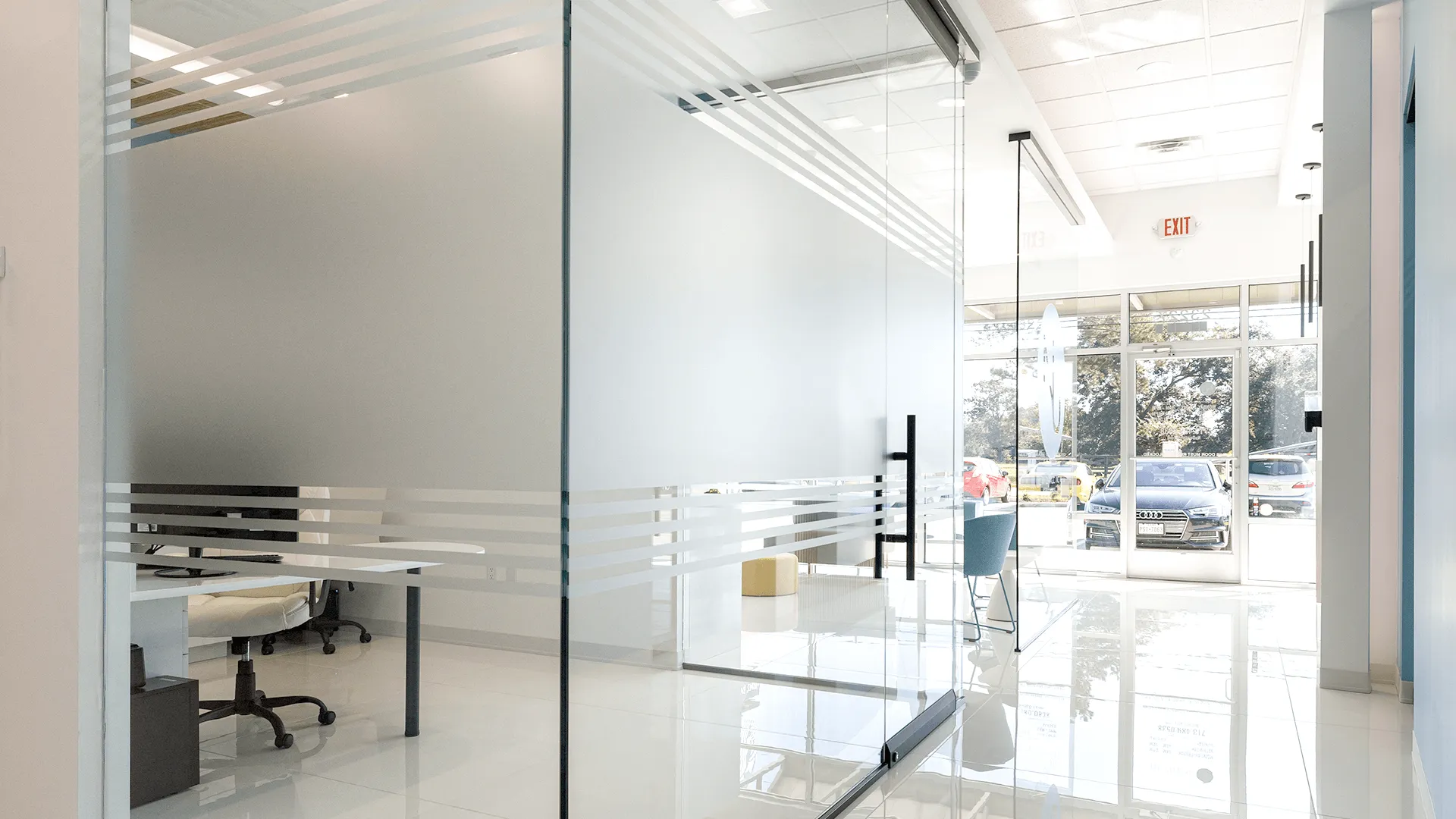
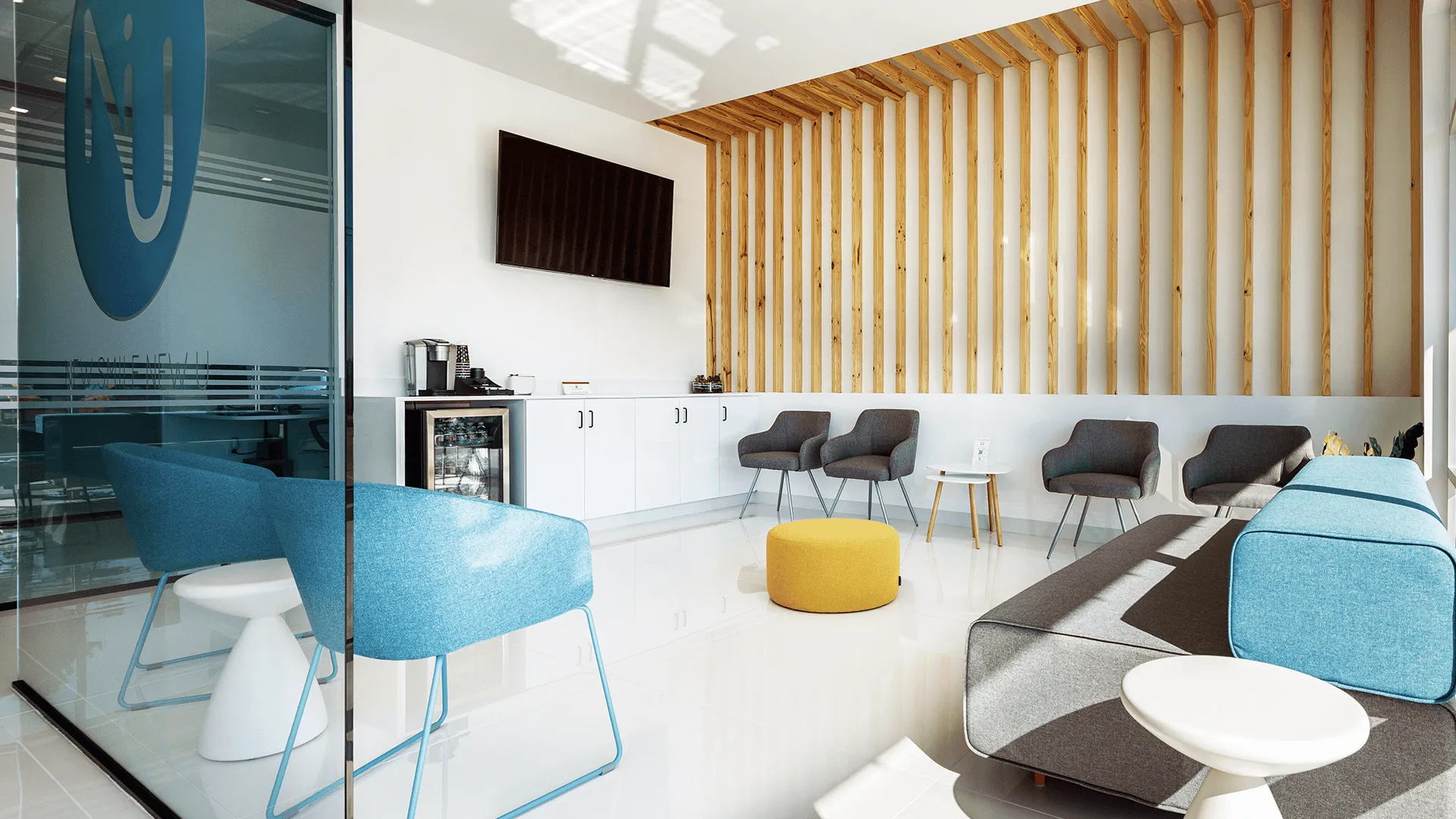
SEE WHAT A VISIT TO OUR MODERN, STATE-OF-THE-ART DENTIST OFFICE IS LIKE

Monday 9am - 6pm
Wednesday 9am - 6pm
Friday 9am - 6pm
Saturday 9am - 3pm
8940 Barker Cypress Rd. Cypress, TX 77433
3201 N. Shepherd Dr. Suite 113, Houston, TX 77018
8145 Highway 6, Building B #200, Missouri City, TX 77459
11115 W Grand Parkway S, Suite 140, Richmond, TX 77407
23227 Gosling Rd. Suite B, Spring, TX 77389
5706 San Felipe St. Ste B-300, Houston, TX 77057
// PATIENT TESTIMONIALS Cypress, TX
CHECK OUT WHAT OUR PATIENTS ARE SAYING IN CYPRESS, TX


// CARING DENTISTS Cypress, TX
OUR SOCIALS
FOLLOW US ON THESE SOCIAL MEDIA PLATFORMS