
Braces vs. Invisalign: Which One Actually Works Better for Your Teeth?
Braces vs. Invisalign: which works better for your smile? Compare results, comfort, and costs to decide. Book your orthodontic consultation in Cypress today!
Read More 
Cosmetic Dentistry, Teeth Straightening
Both braces and Invisalign straighten teeth effectively, but the right choice depends on your specific tooth movements, lifestyle, and how your case may evolve mid-treatment. Neither option is universally superior — the details of your diagnosis matter far more than the marketing.
For Cypress-area patients, most comparisons between braces and Invisalign reduce the decision to "mild vs. severe" cases. That framing glosses over something clinically important: the type of movement required, not just the severity.
Clear aligners work by applying pressure through a plastic shell. That geometry is excellent at tipping tooth crowns — nudging them side to side along a relatively shallow arc. Where aligners consistently struggle is with root movement. When an orthodontist needs to rotate a cylindrical premolar around its long axis, torque a root bodily through bone, or intrude/extrude teeth vertically to correct a deep overbite, plastic trays have significant biomechanical limitations. The crown may appear to track correctly in photos while the root lags behind — a problem that often only becomes visible on follow-up X-rays months later.
Cases involving extraction gaps are particularly revealing. After a tooth extraction creates space, the adjacent roots must be paralleled precisely before the gap closes. Archwires in traditional braces apply continuous three-dimensional force that guides root position throughout that process. Aligners, by contrast, tend to close the visible gap while leaving roots angled — a setup for relapse.
A Healthline overview of Invisalign acknowledges that existing research on aligner effectiveness has notable limitations, including small sample sizes and a lack of controlled comparison studies. That's not a knock on aligners — it's a reason to have an honest conversation with your provider about what your specific X-rays show, not just what your smile looks like in a mirror.
Traditional braces give orthodontists full three-dimensional control through bracket placement, wire torque prescriptions, and elastic configurations. For rotations, vertical corrections, and root paralleling, that level of control is difficult to replicate with removable plastic alone.
Aligners are almost universally described as the "better hygiene" option because they're removable. That's true in one sense — you can brush and floss without navigating brackets and wires. But removability creates a different, underappreciated risk.
When aligners are worn for 20 to 22 hours a day (as recommended for effective treatment), they form a sealed environment against enamel. Any acid, sugar, or fermentable carbohydrate that enters the tray — from coffee, soda, sparkling water, or even fruit — becomes trapped directly against teeth without the natural buffering effect of saliva. The mouth normally remineralizes enamel continuously through salivary flow. Under a sealed plastic tray, that process is blocked.
The result for patients who drink anything other than plain water while wearing their aligners, or who replace trays immediately after eating without thorough brushing, is accelerated interproximal and smooth-surface decay. The decay pattern tends to appear at the gumline and between teeth — areas where the tray edge creates the tightest seal. Left unaddressed, this kind of decay may eventually require cavity fillings to restore affected teeth.
Traditional braces carry their own distinct oral health risk: peribracket plaque accumulation leading to white spot lesions, also called decalcification. These are permanent enamel scars that appear as chalky patches around bracket sites after braces are removed. They're largely preventable with diligent brushing, but they're also one of the most common cosmetic complaints following brace treatment.
WebMD notes that clear aligners can be cleaned with warm water and soap — but consistent cleaning discipline is what separates patients with healthy enamel at the end of treatment from those who finish with new cavities. Neither system is inherently safer; both reward careful hygiene habits.
Here's a scenario that rarely appears in braces-vs.-aligners comparisons: what happens when a patient is eight months into aligner treatment and the trays stop tracking correctly?
Non-tracking occurs when teeth don't move as planned — the aligner no longer fits precisely because the tooth hasn't followed the programmed path. At that point, an orthodontist may order refinement aligners (a new set of trays based on the current tooth position), but repeated refinements extend treatment time significantly. For patients experiencing compliance fatigue — the very real exhaustion of managing tray discipline every day for a year or more — refinements can feel discouraging.
Some patients at this stage convert to fixed dental braces to finish treatment. This mid-treatment switch involves debonding any attachments, taking new records, and fabricating brackets suited to the remaining tooth movements. The time implications depend on what the original treatment agreement covered. Patients should ask their provider upfront how refinements and potential conversions are handled before committing to either system.
The reverse also exists: hybrid protocols where braces are used first to handle root movements and rotations, followed by aligners to finish alignment and spacing. Healthline's comparison of aligners versus braces points out that traditional braces allow more precise control for complex adjustments — which is precisely why some orthodontists sequence them first, then hand off to aligners for cosmetic finishing work.
Neither system failing mid-treatment is unusual. What matters is whether your provider has a clear plan for that possibility before you start.
For adults with mild to moderate spacing or crowding issues and strong compliance habits, clear aligners offer genuine advantages: discretion, comfort, and the ability to remove them for eating and hygiene. Healthline's review of invisible braces notes Invisalign has over 20 years of clinical use and well-established results for straightforward cases.
For patients with rotations, vertical bite issues, extraction spaces, or any diagnosis requiring precise root control, traditional braces — including clear braces options that are far less visible than metal — often produce more predictable outcomes. Healthline's overview of ceramic braces confirms they move teeth faster than clear aligners in many cases, particularly for moderate to complex corrections.
The honest answer is that the better option is the one matched to your actual diagnosis, not the one with the better marketing. A thorough cleaning and exam, full X-rays, and a frank discussion about your specific tooth movements will tell you more than any comparison article can.
If you're in the Cypress area and weighing your orthodontic options, Nu Dentistry Cypress can help you evaluate your specific case — including which movements your teeth actually need and which system is best suited to deliver them. Reach out to schedule a consultation and get a clear picture of your path forward.
Medical disclaimer: This article is for informational purposes only and does not constitute professional dental or medical advice. Always consult a licensed dental provider for diagnosis and treatment recommendations specific to your oral health needs.


// NU DENTISTRY IN Cypress, Texas
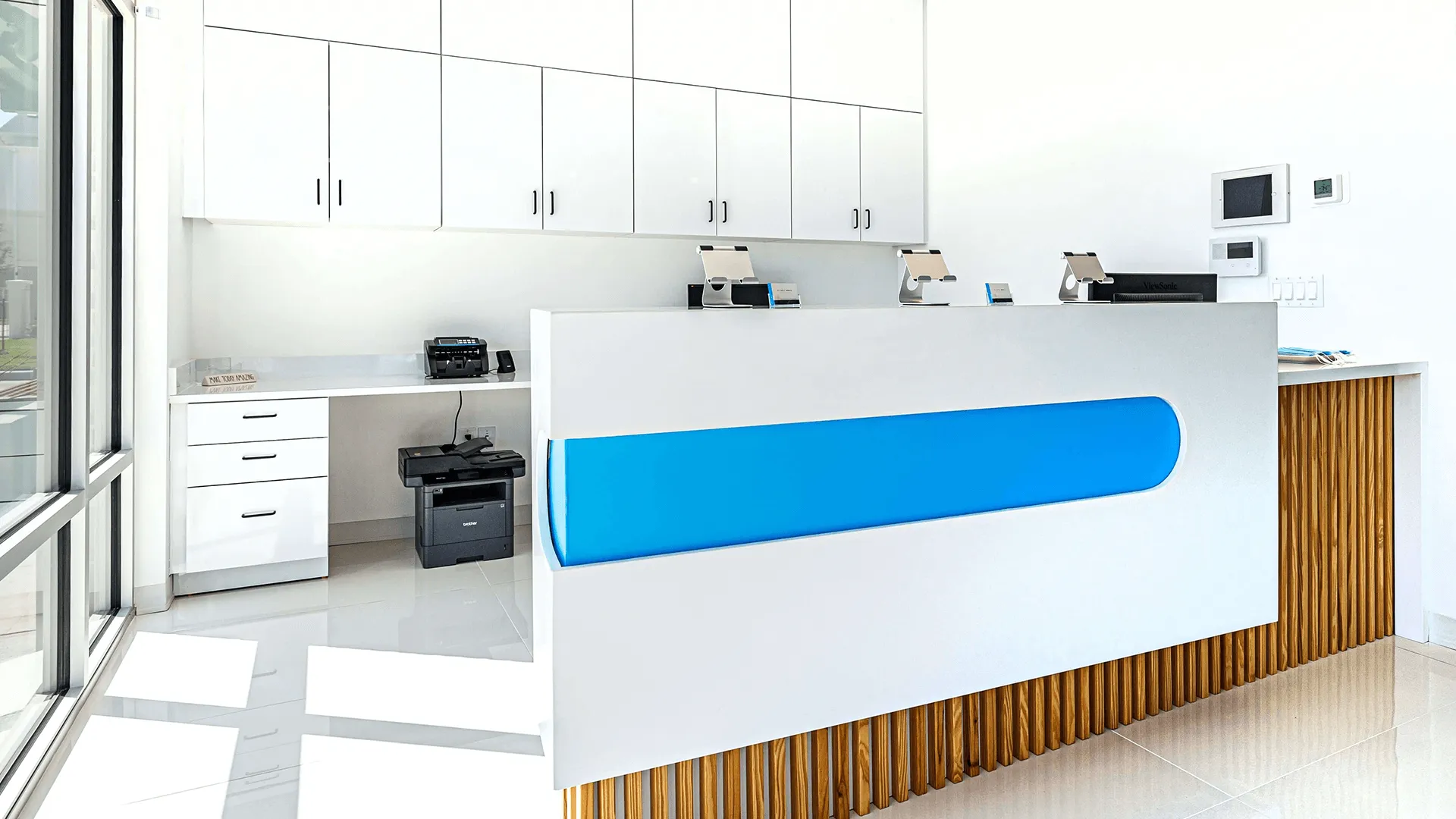
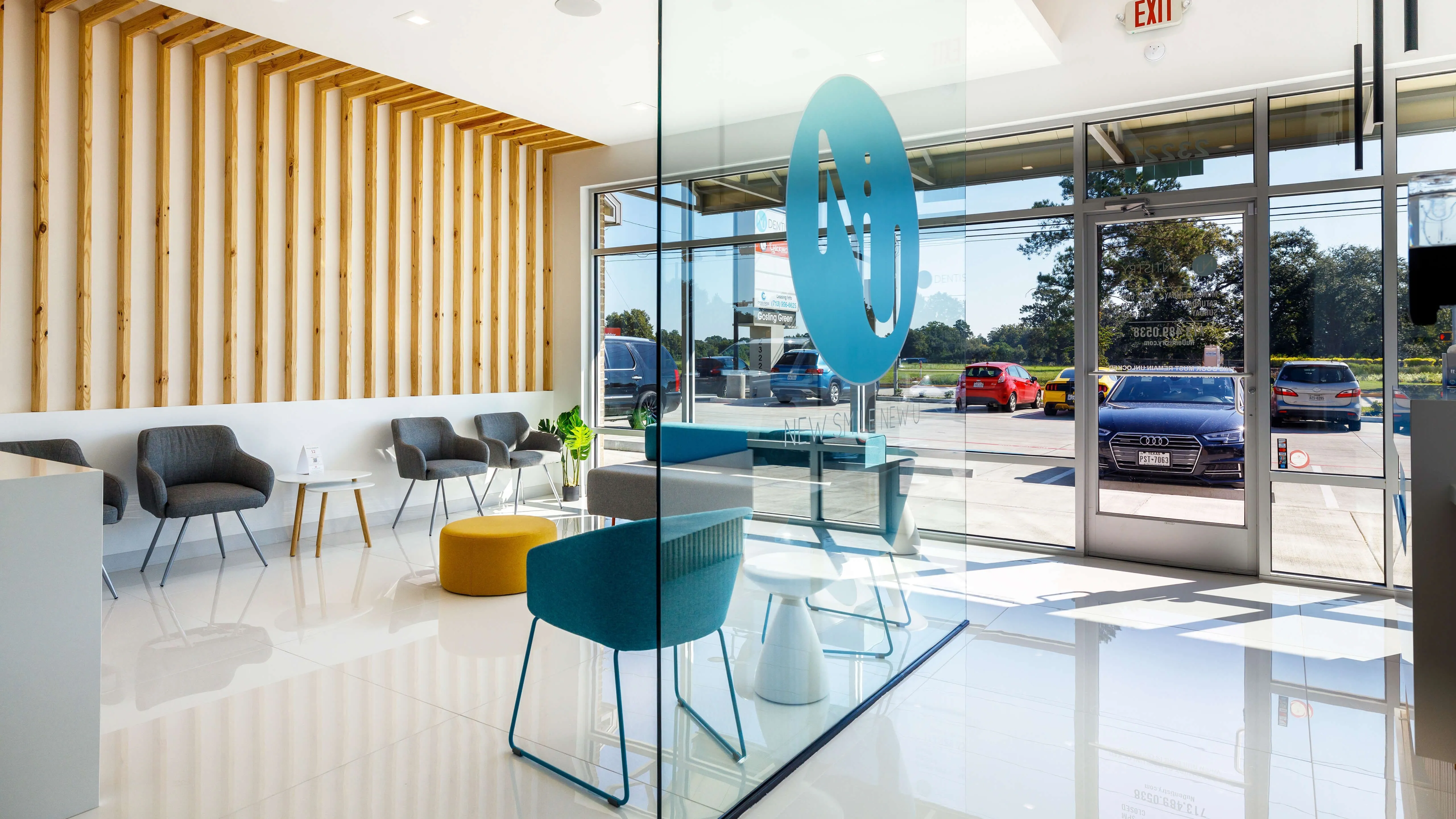
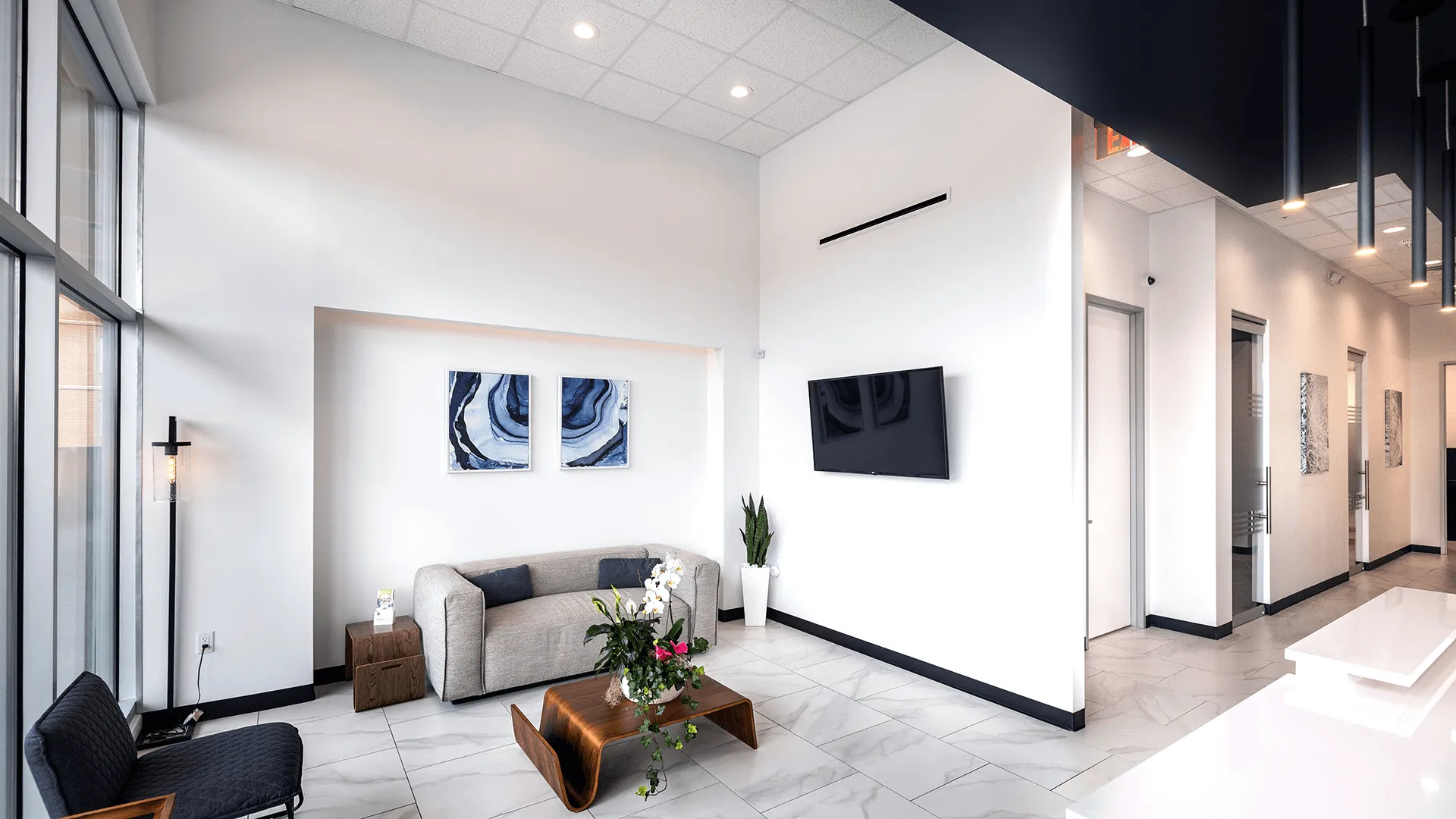
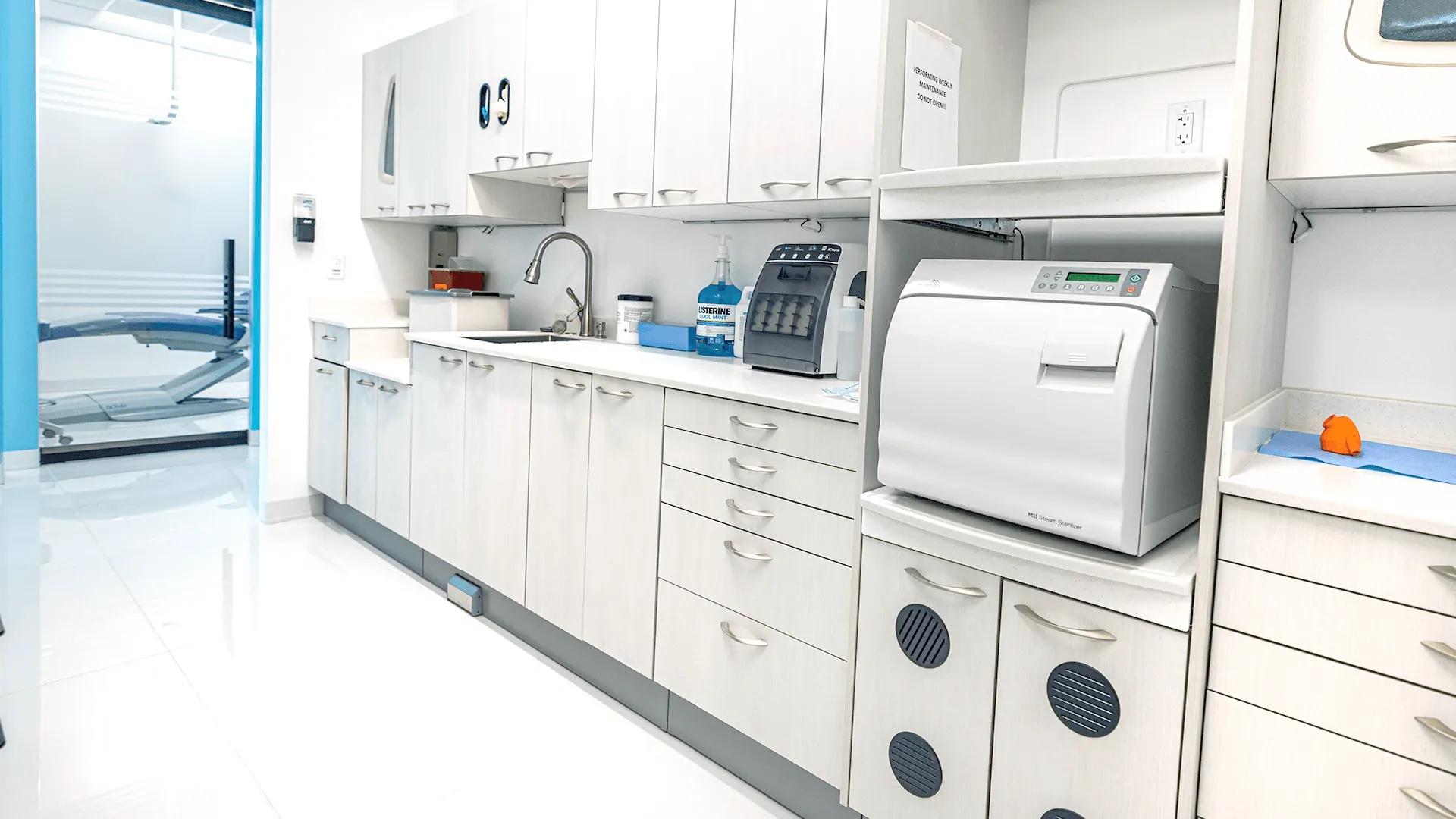
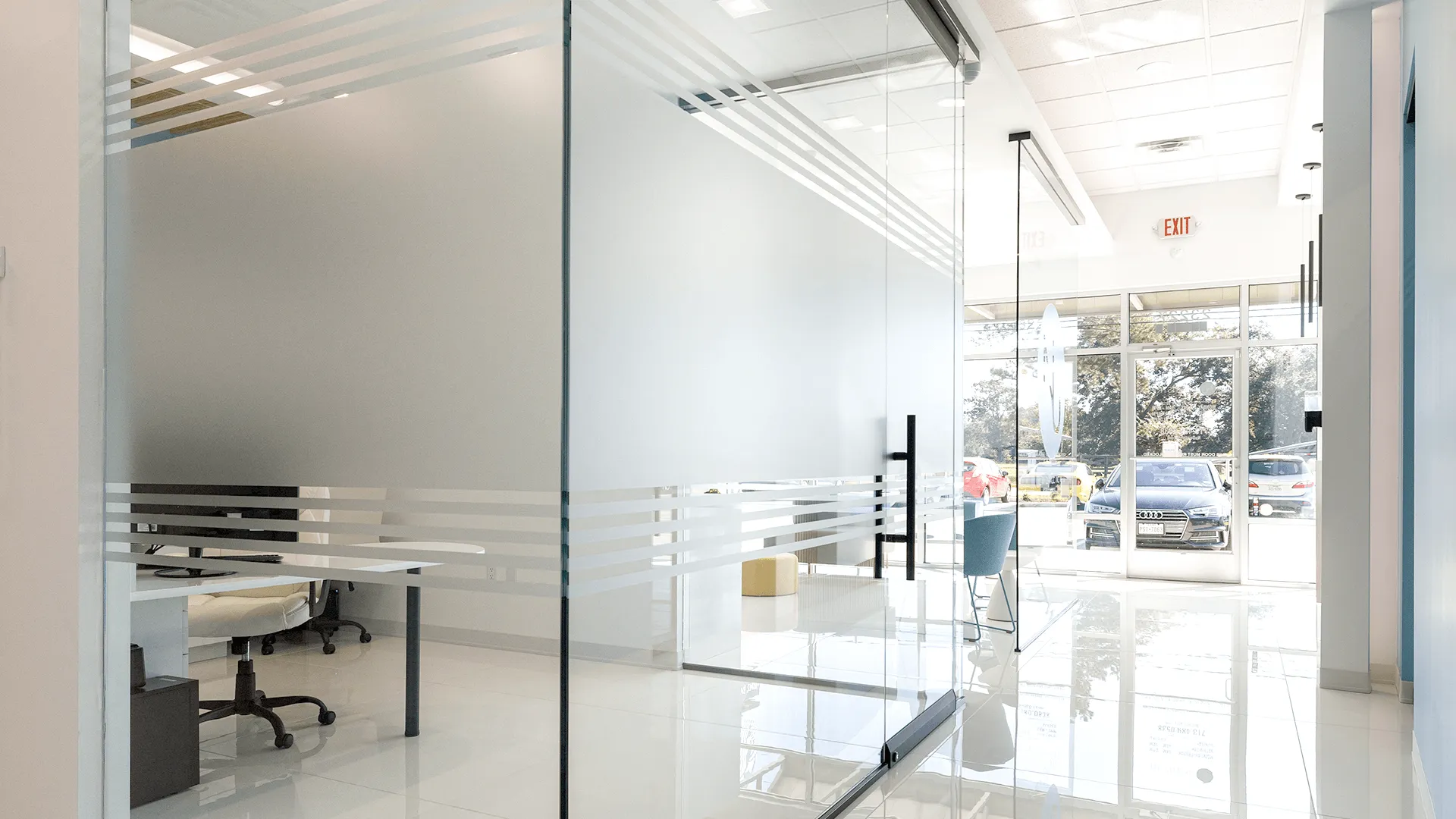
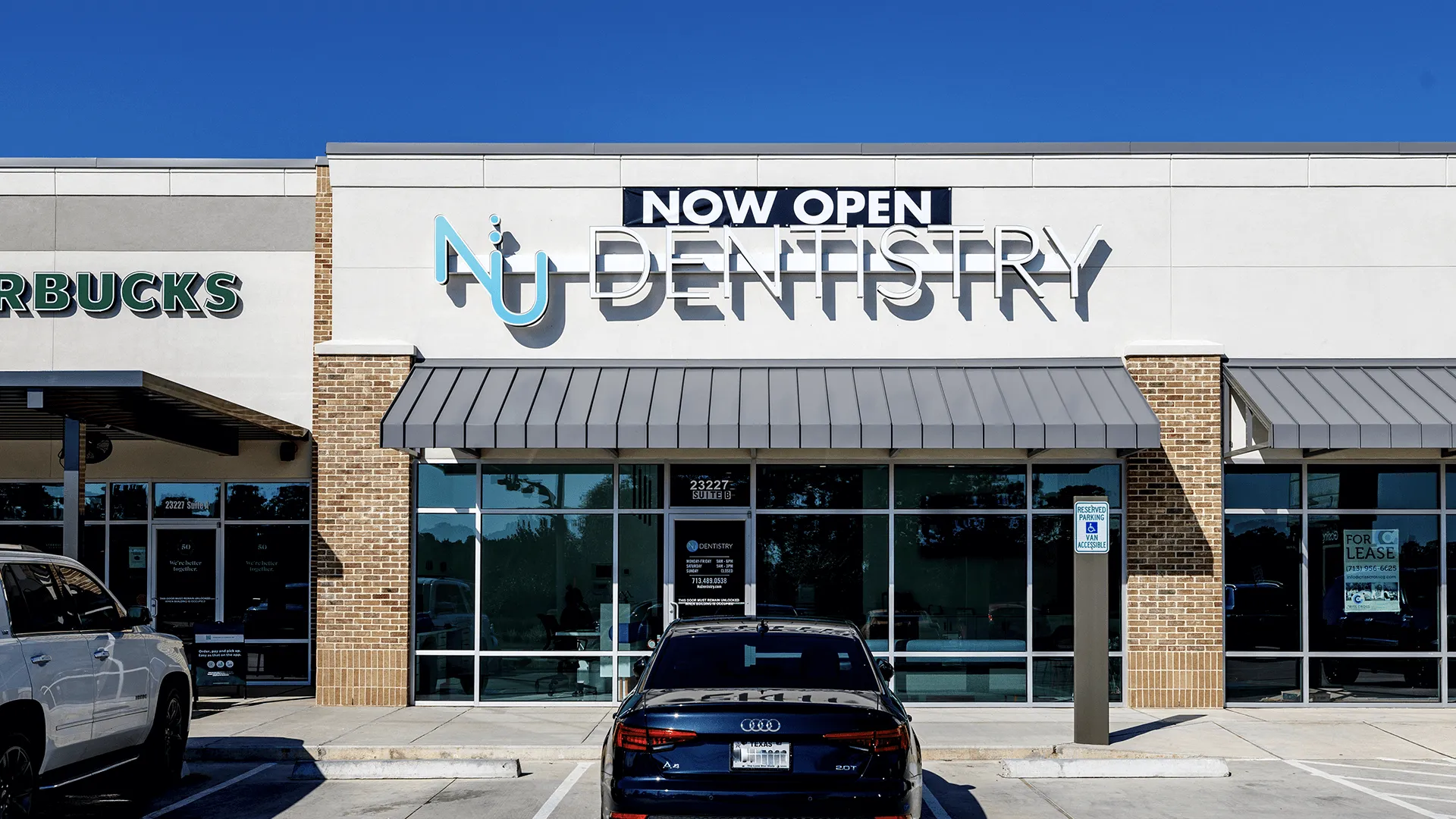
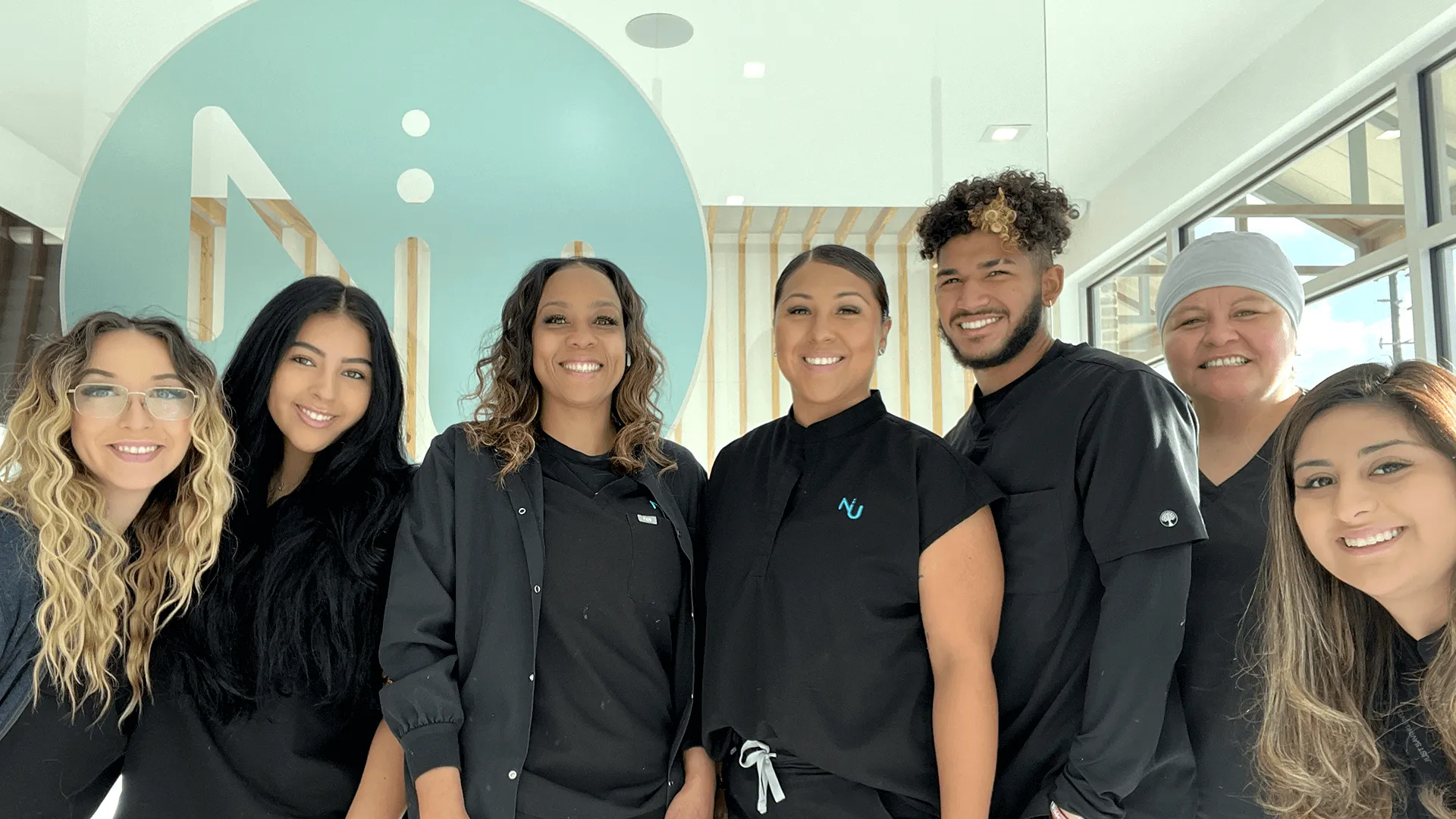
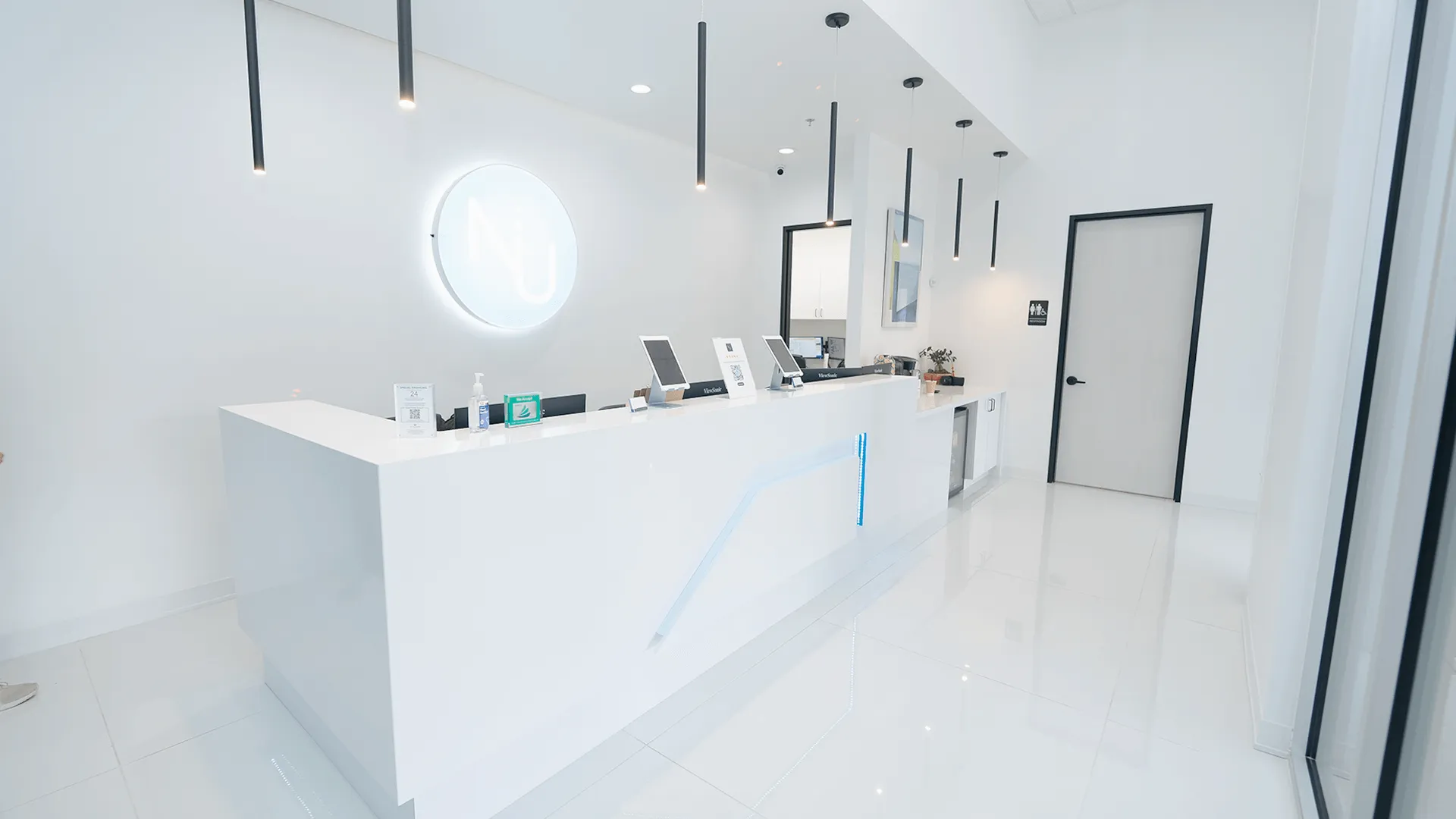
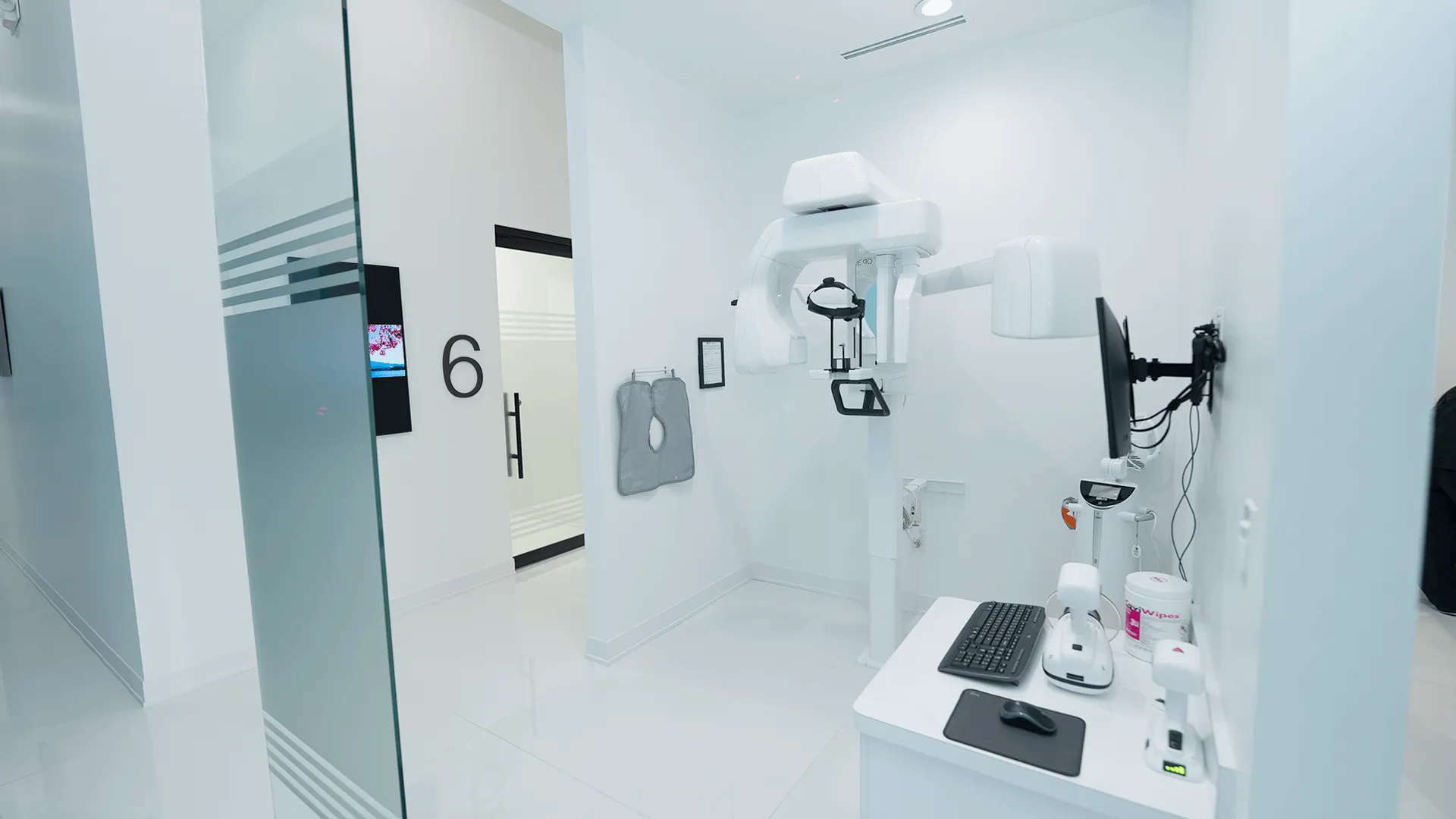
SEE WHAT A VISIT TO OUR MODERN, STATE-OF-THE-ART DENTIST OFFICE IS LIKE




Monday 9am - 6pm
Wednesday 9am - 6pm
Friday 9am - 6pm
Saturday 9am - 3pm
8940 Barker Cypress Rd. Cypress, TX 77433
3201 N. Shepherd Dr. Suite 113, Houston, TX 77018
8145 Highway 6, Building B #200, Missouri City, TX 77459
11115 W Grand Parkway S, Suite 140, Richmond, TX 77407
23227 Gosling Rd. Suite B, Spring, TX 77389
5706 San Felipe St. Ste B-300, Houston, TX 77057
// PATIENT TESTIMONIALS Cypress, TX
CHECK OUT WHAT OUR PATIENTS ARE SAYING IN CYPRESS, TX


// CARING DENTISTS Cypress, TX
OUR SOCIALS
FOLLOW US ON THESE SOCIAL MEDIA PLATFORMS