
Braces vs. Invisalign: Which Is Actually Better for Complex Bites?
Are braces or Invisalign better for complex bites? Compare clear aligners and traditional braces to find your best fit. Book a consultation in Cypress today!
Read More

Cosmetic Dentistry, Teeth Straightening
When most people think about straightening their teeth, they picture the metal brackets and wires of traditional braces. Invisalign has completely changed that image. Clear aligners have become one of the most popular orthodontic options for adults and teens who want an effective way to straighten their teeth without calling extra attention to their smile. But how well does Invisalign really work? And how long will it take to see results?
At Nu Dentistry Cypress, we see these questions all the time. Invisalign has helped thousands of patients achieve beautifully aligned smiles, but it’s not a one-size-fits-all treatment. The effectiveness and timeline depend on your specific needs, your commitment, and the expertise behind your treatment plan. This blog walks you through everything you should know so you can make a confident decision.
For most patients, Invisalign treatment takes between 6 and 18 months, depending on the complexity of the case. Some people see noticeable improvements in just a few weeks, while others need more time to address bite issues or significant crowding.
The beauty of Invisalign is its predictability. During your consultation, we take digital scans of your teeth and use advanced software to map out every movement. This lets us estimate how long treatment will take before you even receive your first set of aligners. Unlike braces, which can sometimes require adjustments along the way, Invisalign’s timeline is more structured from the beginning.
Factors that affect treatment time
Several elements influence how long Invisalign will take:
The typical Invisalign timeline
To give you a clearer picture, here’s how the average Invisalign journey unfolds:
Even though the overall treatment can take over a year for some patients, many people start seeing visible improvements within the first two to three months. That early progress can be incredibly motivating and helps keep you consistent with wearing your aligners.
In some cases, Invisalign can be faster than traditional braces, but it depends on the type of correction needed. For mild to moderate misalignments, Invisalign often finishes treatment in less time than braces because the aligners move multiple teeth simultaneously in a more targeted way. However, for very complex orthodontic problems, traditional braces might still be the quicker option.
Why Invisalign can speed things up
When braces might be faster
Traditional braces may still have the edge when treating extremely complex cases, such as:
That said, advancements in Invisalign technology have greatly expanded the types of cases that can be treated. Attachments, which are small tooth-colored buttons placed on certain teeth, can help aligners apply more targeted force. Elastics can also be used with Invisalign to address bite problems more effectively.
Compliance is the key
No matter how well designed your aligners are, the timeline depends heavily on you. Braces are fixed, so they work 24/7 whether you think about them or not. Invisalign relies on your commitment to wear the trays as prescribed. Taking them out too often or forgetting to switch aligners on time can lengthen treatment. On the other hand, if you’re diligent, Invisalign can be just as fast, if not faster, than braces.
Yes, Invisalign can be highly effective for crowded teeth, overbites, crossbites, and many other common orthodontic problems. It’s not just for simple cosmetic tweaks. In fact, Invisalign has evolved to treat a wide range of cases that were once considered suitable only for braces.
Crowded teeth
Crowding happens when there’s not enough room in your jaw for all your teeth to fit properly. Invisalign gently shifts teeth into better alignment using a series of custom trays. Depending on the severity, treatment might involve slight expansion of the dental arch, controlled rotations, and sometimes minor enamel reshaping to make space.
Mild to moderate crowding typically responds very well to Invisalign. Even more severe cases can be treated effectively with a well-planned sequence and occasional refinements.
Overbite
An overbite occurs when the upper teeth overlap the lower teeth more than they should. Invisalign can correct many overbites by gradually moving the upper and lower teeth into proper alignment. In some cases, attachments and elastics are used to achieve more complex vertical and horizontal movements. Many adult patients choose Invisalign specifically to address overbites without having to wear braces.
Crossbite
A crossbite happens when some of your upper teeth sit inside your lower teeth instead of outside. If left untreated, this can lead to uneven wear, gum recession, and even jaw problems. Invisalign aligners can reposition these teeth over time, often with the help of small attachments that give the trays more grip on specific teeth.
Other conditions Invisalign can address
In addition to the above, Invisalign is often used to treat:
The key is proper diagnosis and planning. Not every case is ideal for Invisalign alone, but with today’s technology, very few are completely off the table. At Nu Dentistry Cypress, we carefully evaluate your bite, tooth positions, and jaw structure to determine if Invisalign is the best option for you. If another approach would give you faster or more stable results, we’ll tell you upfront.
The best way to know is to schedule a consultation. Invisalign works for a wide range of people, from teens with mild crowding to adults who want to correct their bite without braces. It’s also an excellent choice for people who have had braces before but experienced relapse over time.
At Nu Dentistry Cypress, we take the time to assess your goals and design a treatment plan tailored to your needs. If Invisalign isn’t the ideal solution, we’ll discuss alternative orthodontic options to help you achieve the smile you want as efficiently as possible.
Invisalign is more than just a clear alternative to braces. It’s a proven, effective treatment that has helped millions of people transform their smiles while maintaining their lifestyle. Whether you’re dealing with crowding, an overbite, or a crossbite, Invisalign could be the solution that fits you best.
If you’ve been thinking about straightening your teeth, don’t wait any longer. Schedule your Invisalign consultation with Nu Dentistry Cypress today and find out how quickly and comfortably you can get the smile you’ve always wanted.


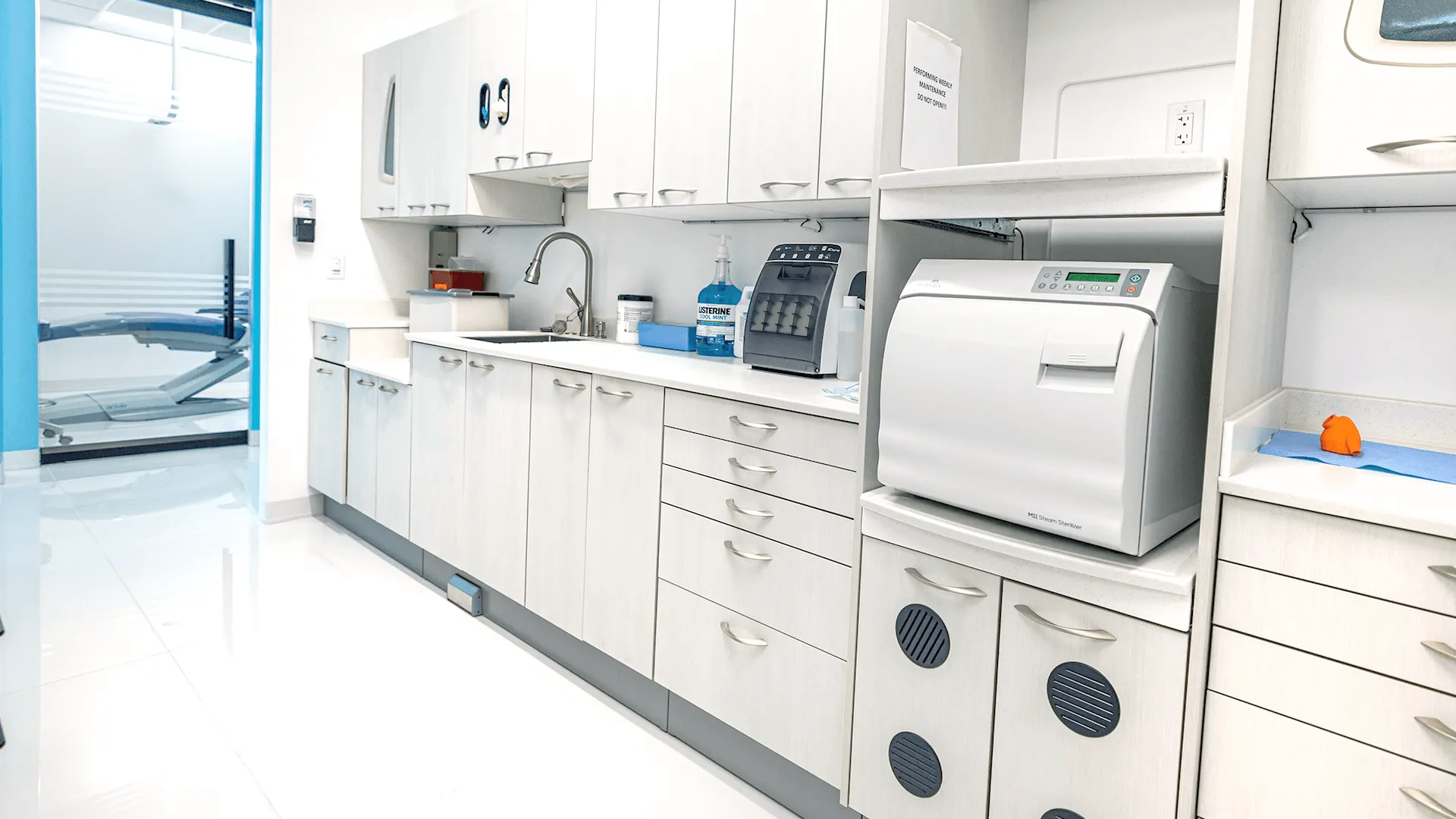
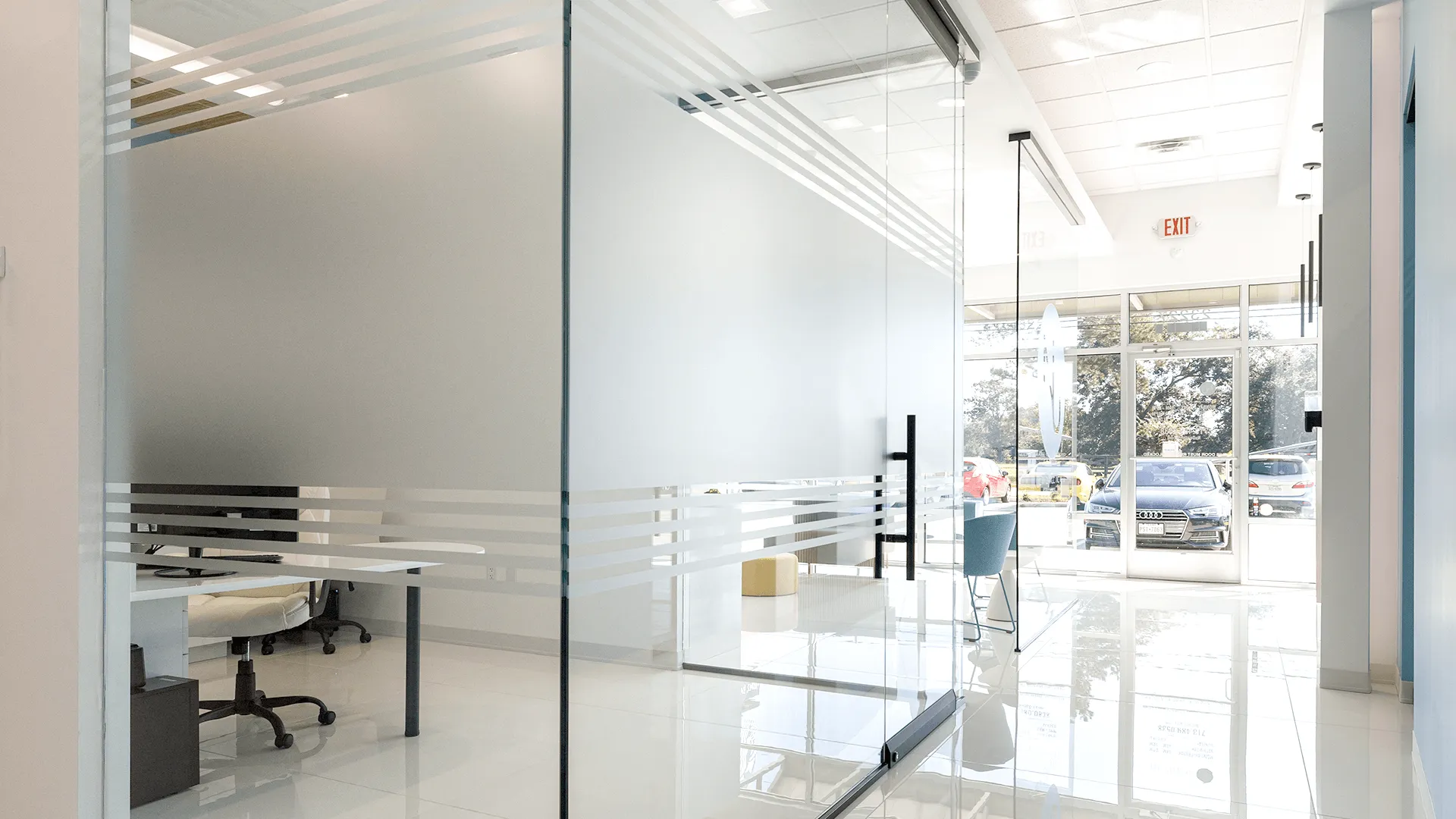
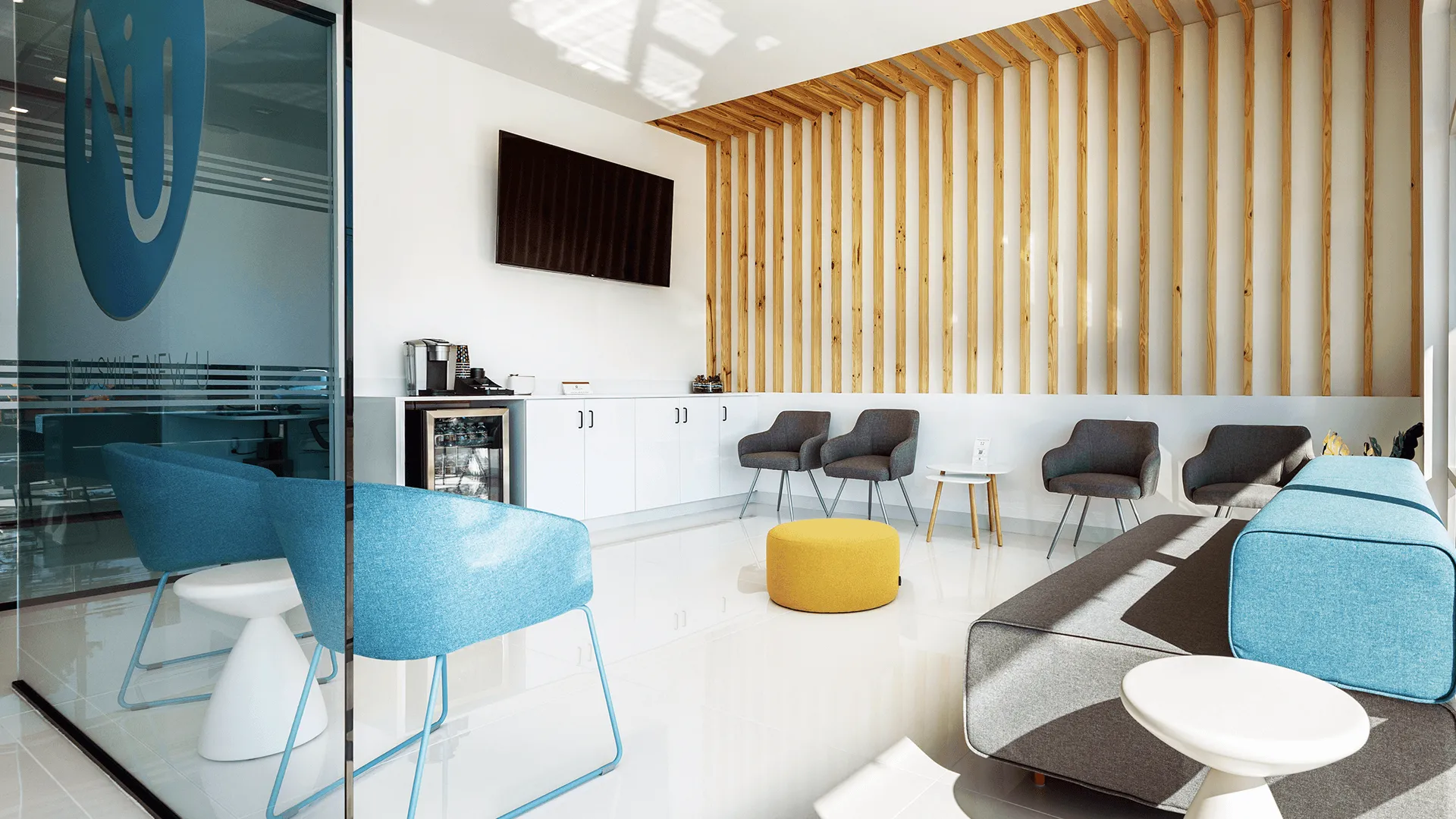
// NU DENTISTRY IN Cypress, Texas
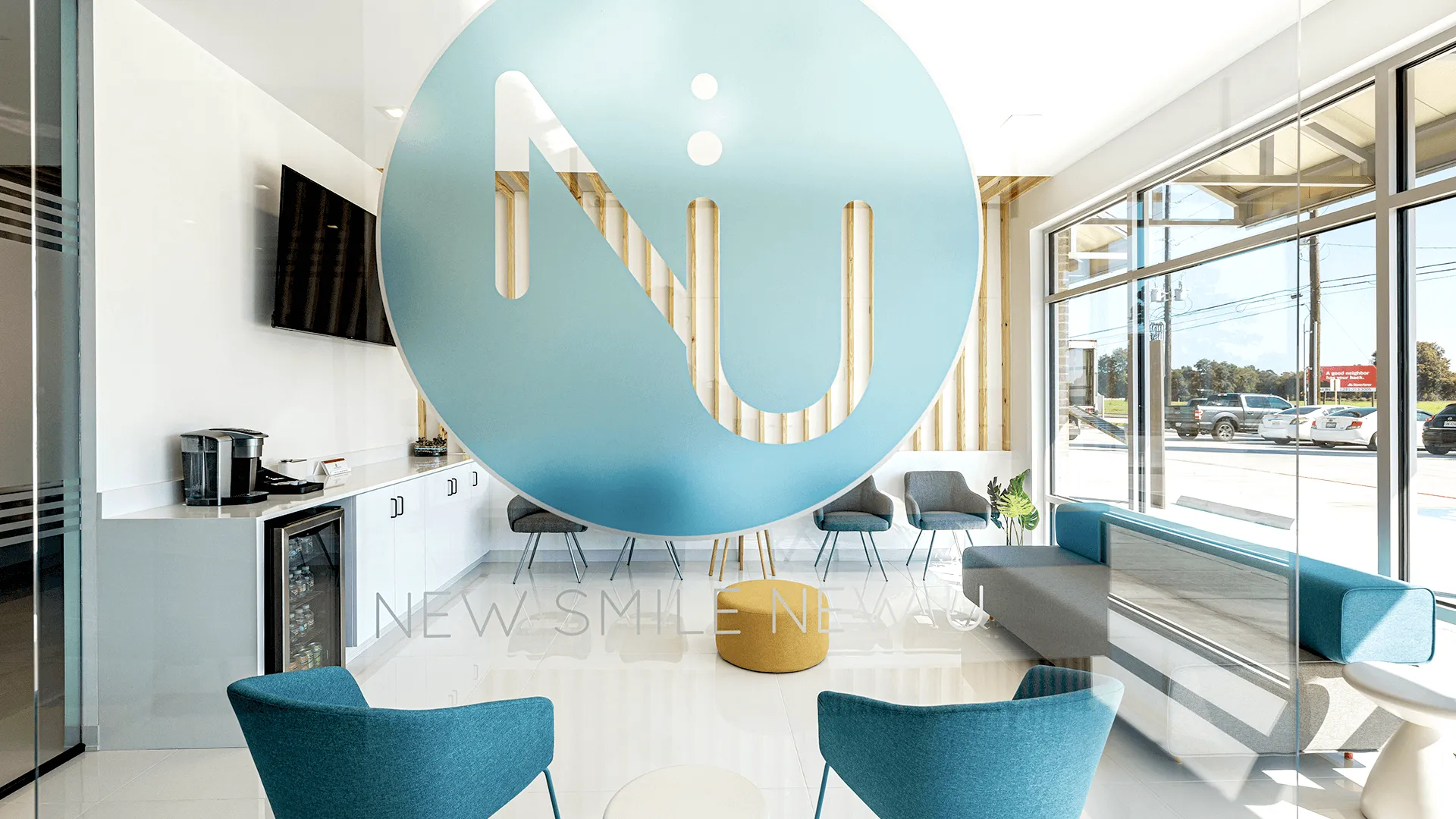
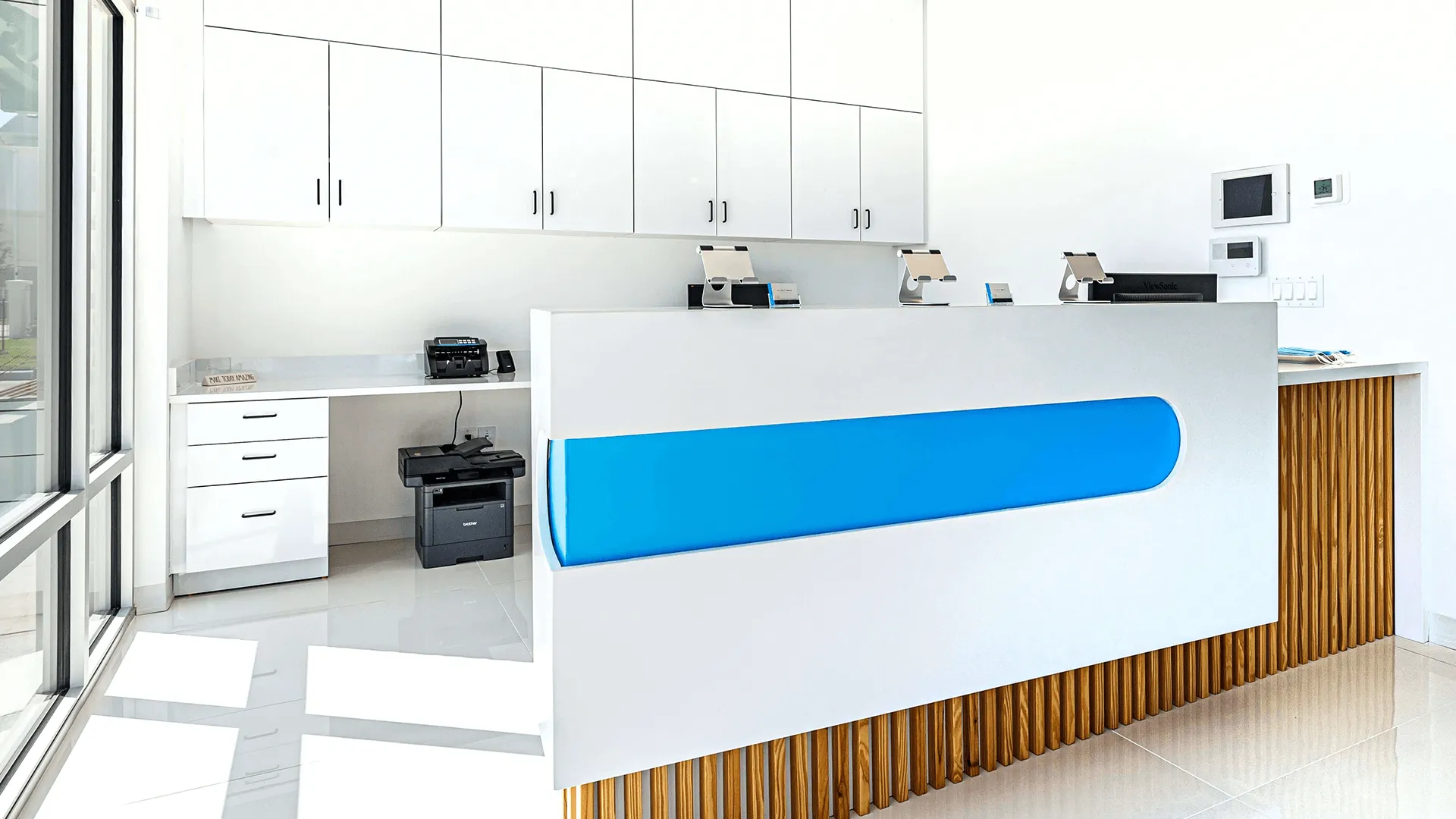
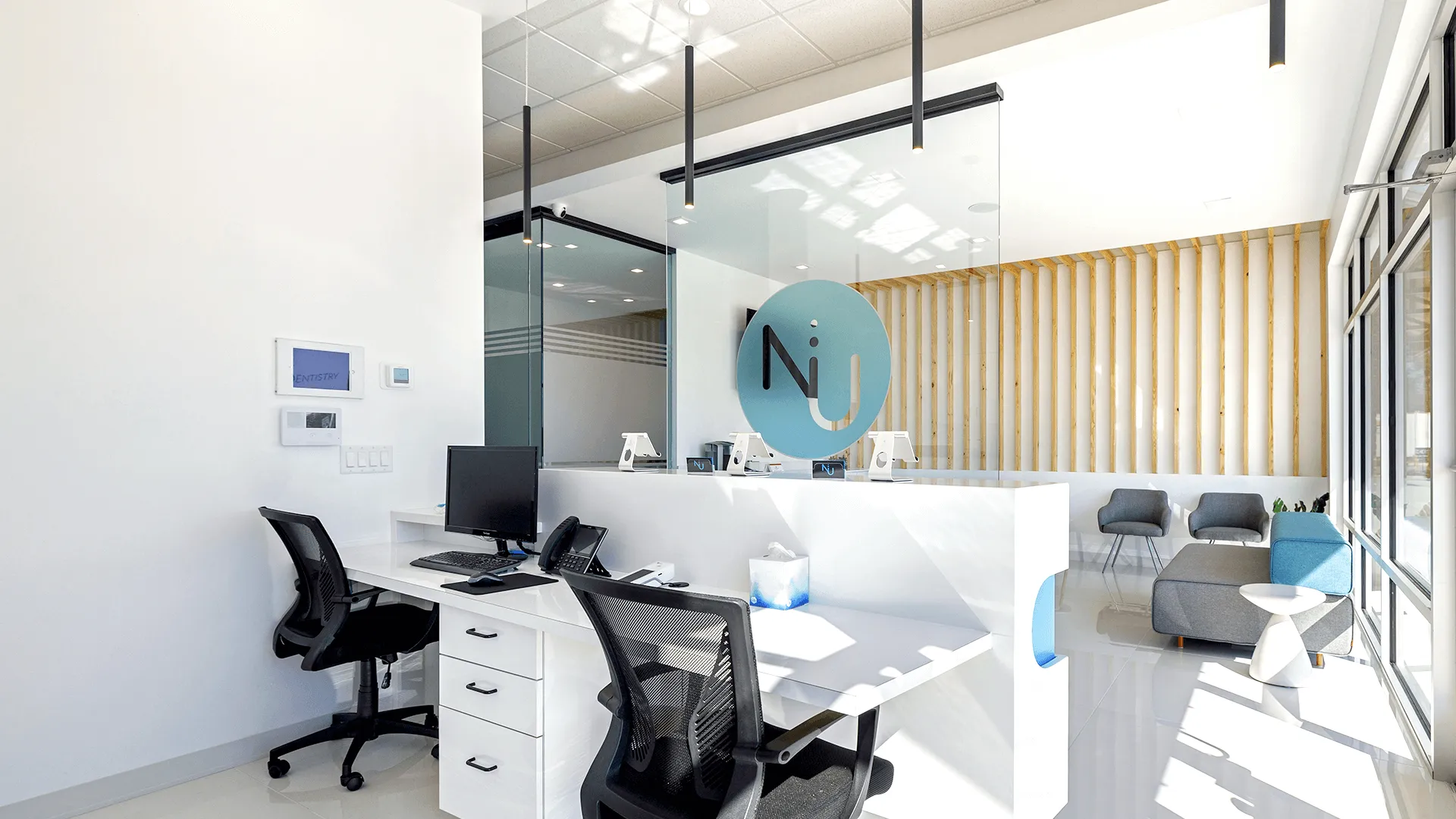
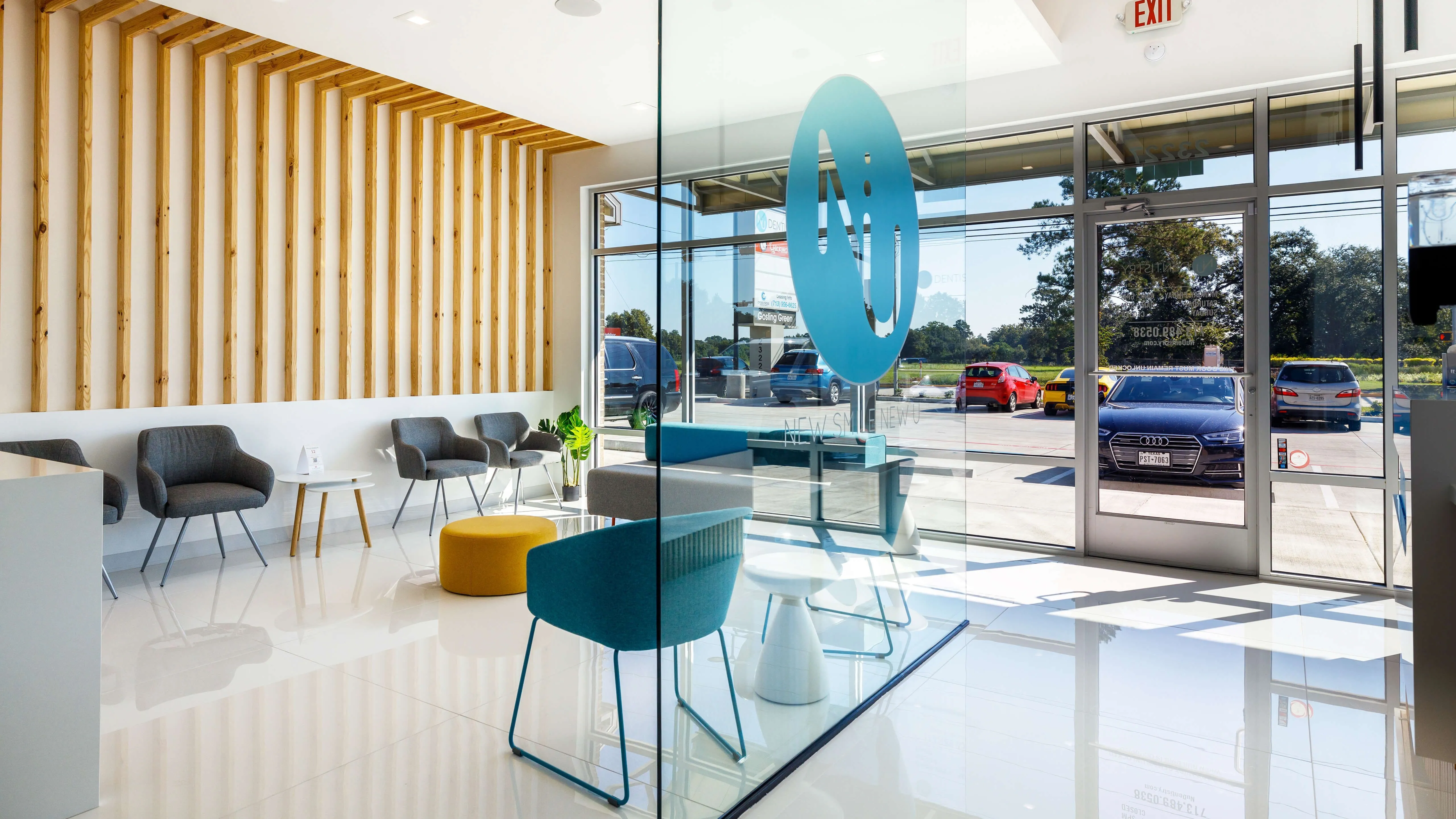
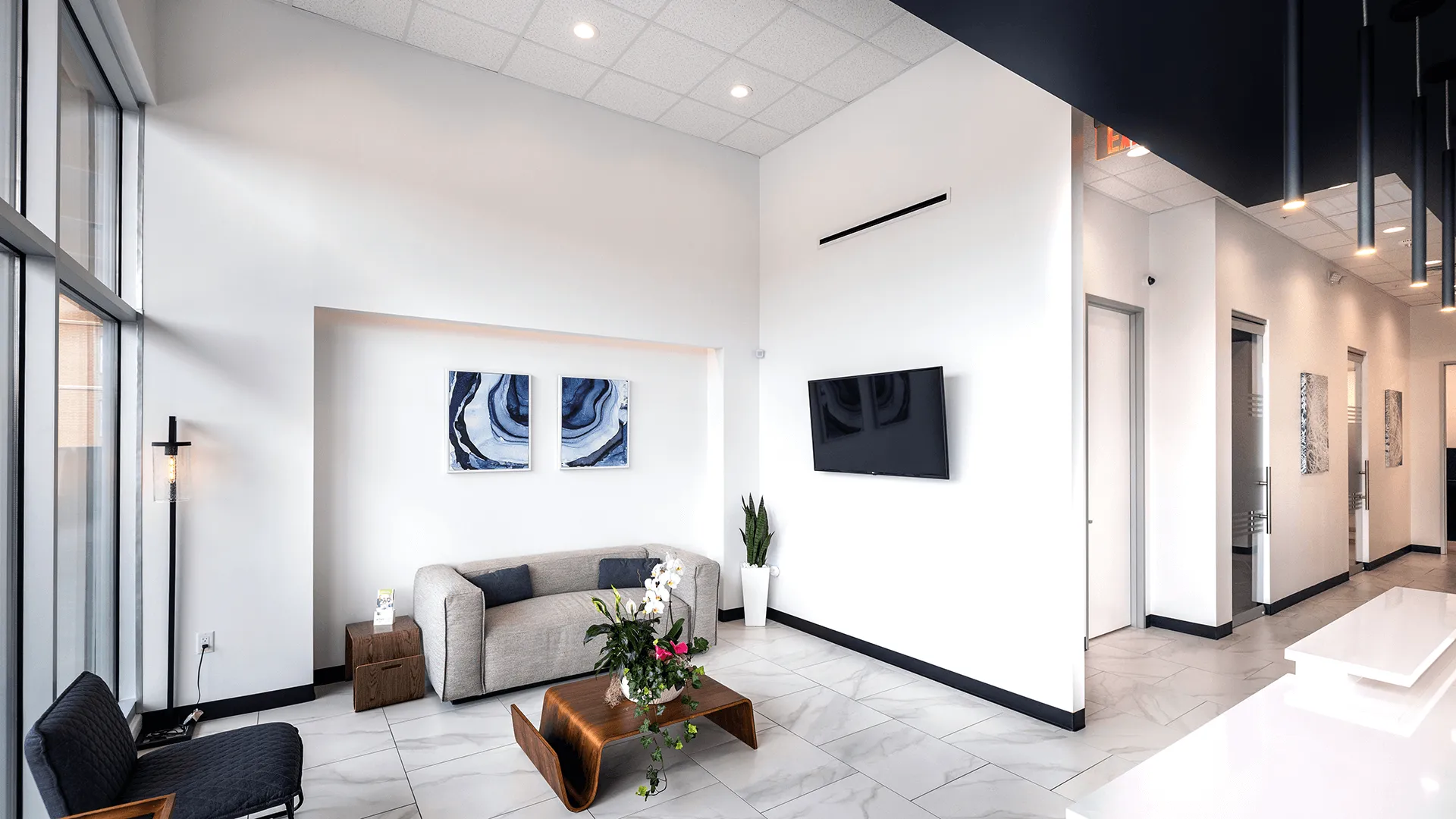
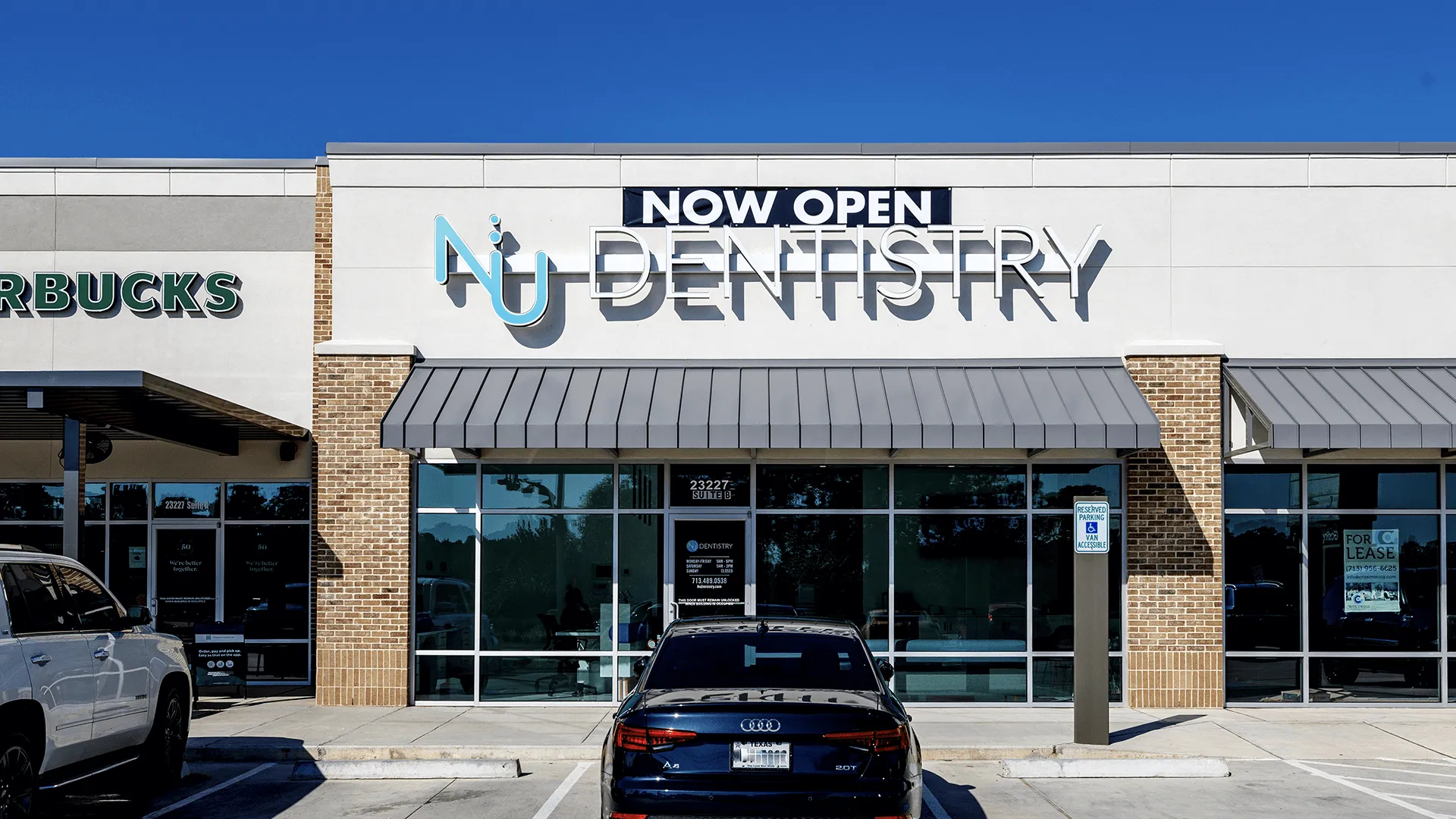
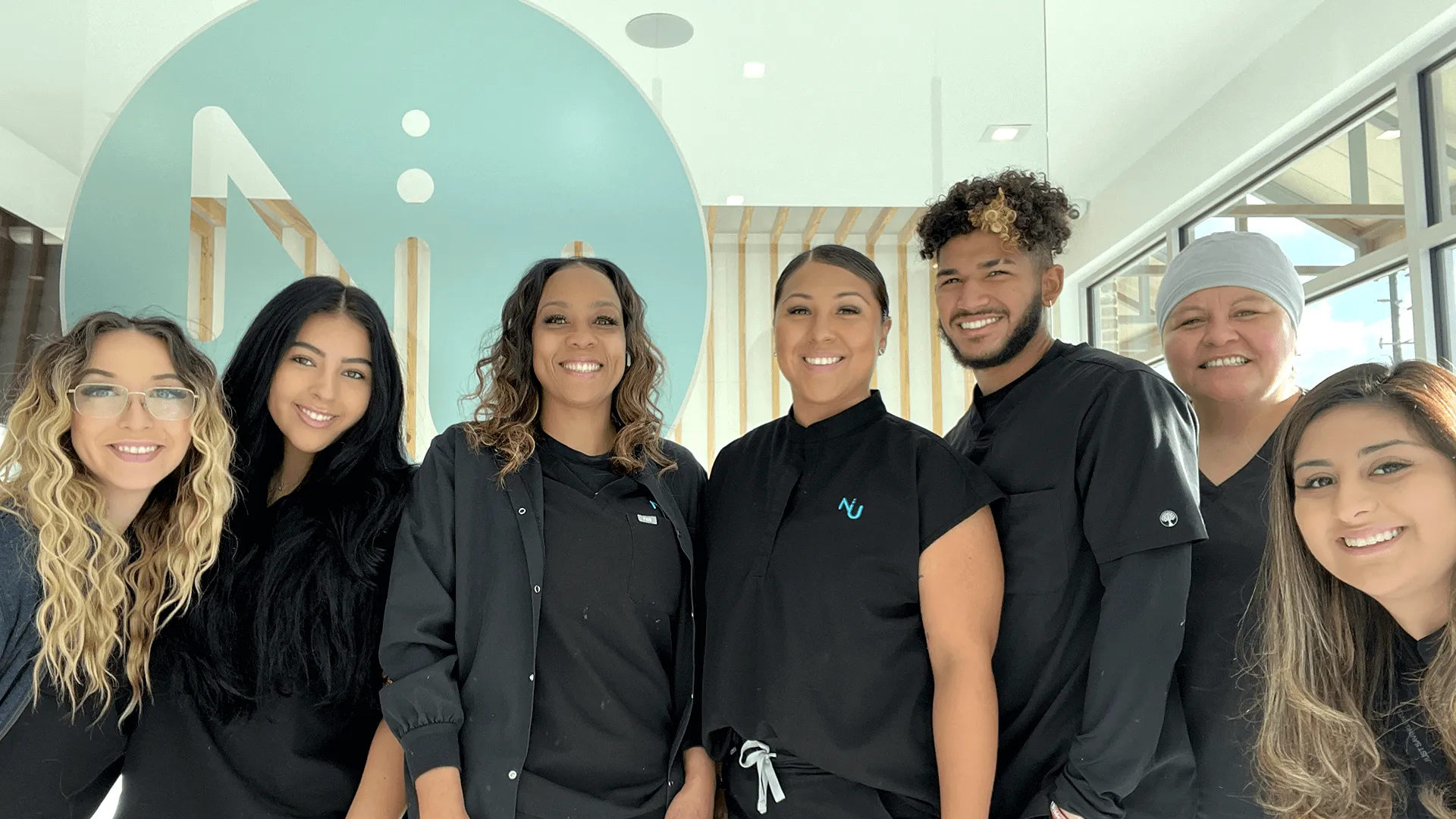
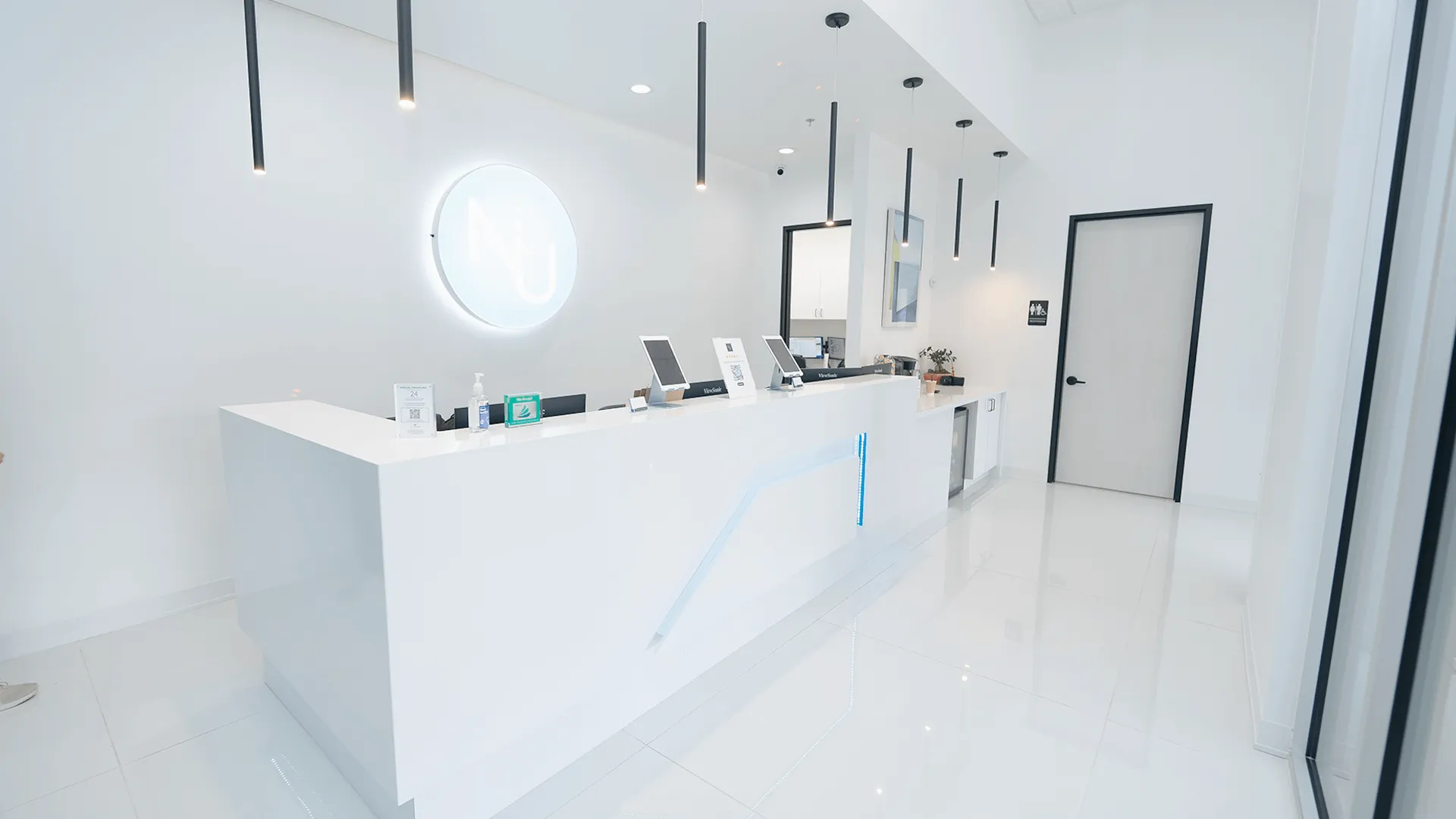
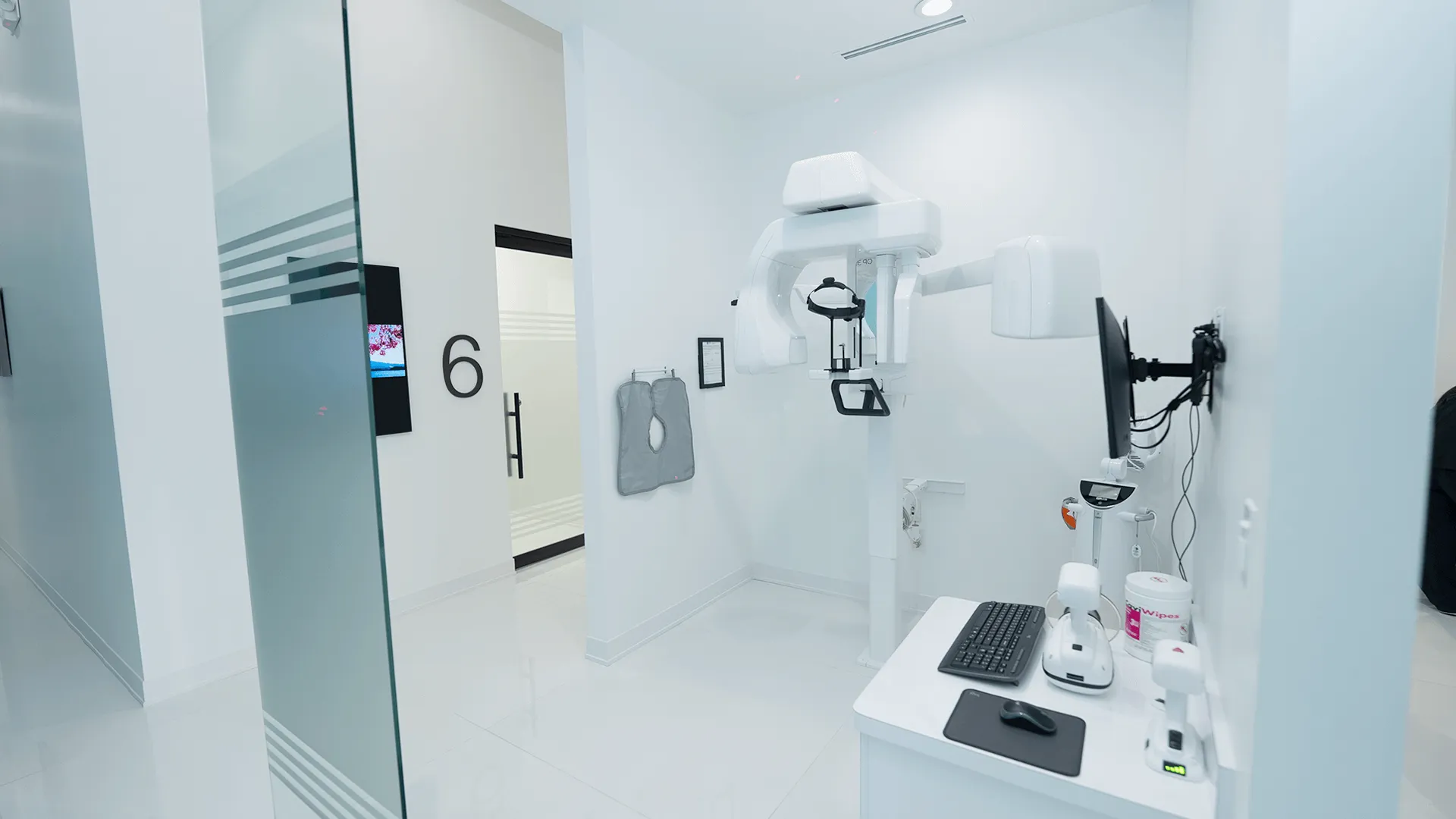
SEE WHAT A VISIT TO OUR MODERN, STATE-OF-THE-ART DENTIST OFFICE IS LIKE

Monday 9am - 6pm
Wednesday 9am - 6pm
Friday 9am - 6pm
Saturday 9am - 3pm
8940 Barker Cypress Rd. Cypress, TX 77433
3201 N. Shepherd Dr. Suite 113, Houston, TX 77018
8145 Highway 6, Building B #200, Missouri City, TX 77459
11115 W Grand Parkway S, Suite 140, Richmond, TX 77407
23227 Gosling Rd. Suite B, Spring, TX 77389
5706 San Felipe St. Ste B-300, Houston, TX 77057
// PATIENT TESTIMONIALS Cypress, TX
CHECK OUT WHAT OUR PATIENTS ARE SAYING IN CYPRESS, TX


// CARING DENTISTS Cypress, TX
OUR SOCIALS
FOLLOW US ON THESE SOCIAL MEDIA PLATFORMS